معرفی
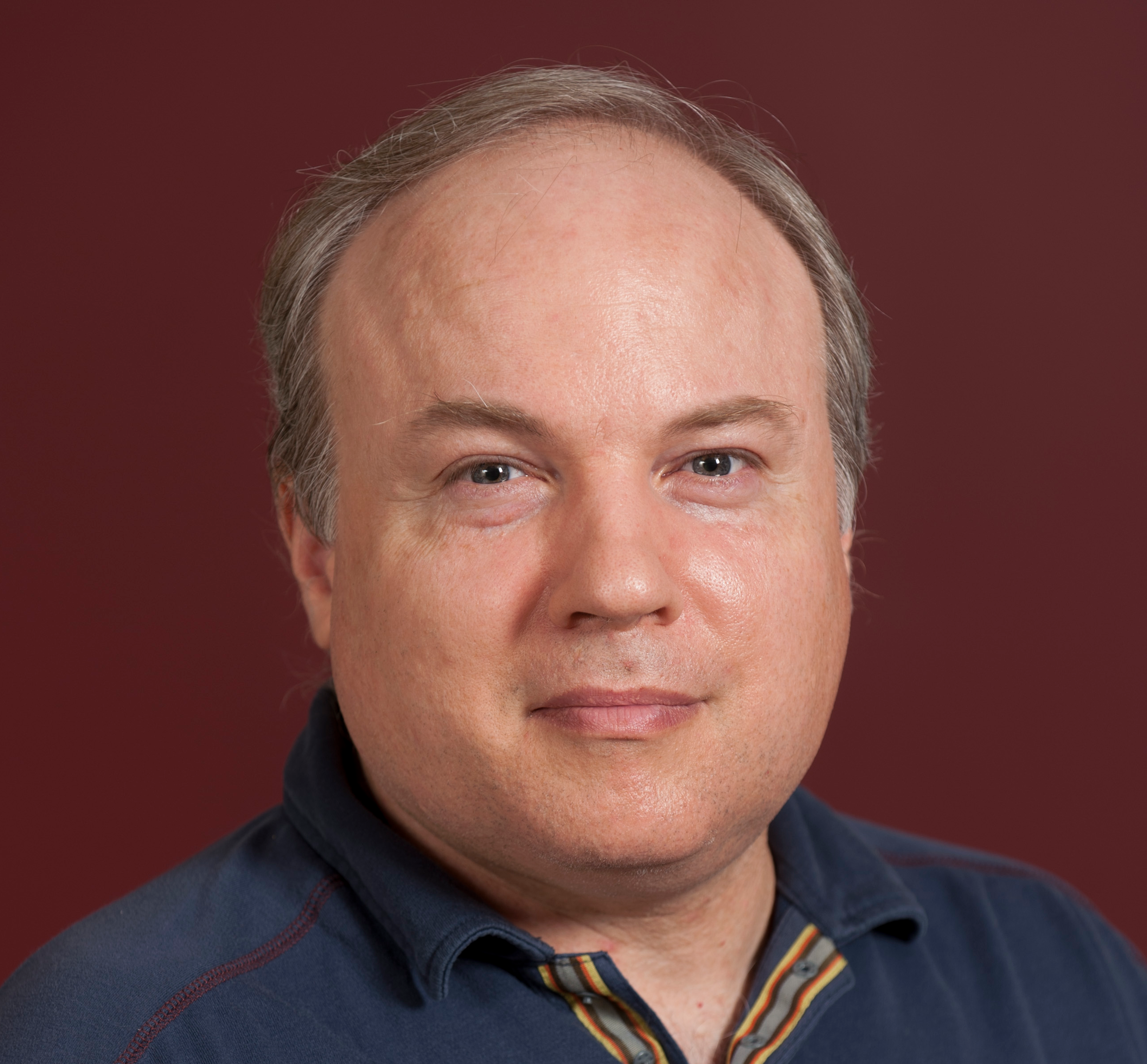
John Jeka is a Professor in the Department of Kinesiology & Applied Physiology at the University of Delaware's College of Health Sciences. His research focuses on understanding the neural and biomechanical basis of human upright balance, with applications for improving mobility in patient populations with balance disorders including Parkinson's disease, vestibular loss, cerebral palsy, and aging individuals.
Dr. Jeka received his BA and MA in Psychology from Tufts University, followed by a Ph.D. from the Center for Complex Systems and Brain Science at Florida Atlantic University. He completed an NIH NRSA Postdoctoral Fellowship at the Ashton Graybiel Spatial Orientation Laboratory at Brandeis University.
His primary research interests include the control of upright balance during standing and walking, multisensory processing for balance control, and the application of virtual reality to study neurological conditions that lead to balance deficits. Dr. Jeka's work employs behavioral, computational, and genetic methods to investigate human motor control and orientation in simulated sensory environments.
Analysis of Dr. Jeka's recent publications reveals a strong focus on understanding how sensory information (particularly vision and somatosensation) contributes to balance control during walking, with special attention to neurological conditions like Parkinson's disease and cerebral palsy. His work increasingly incorporates advanced techniques like stochastic resonance stimulation and examines motor learning processes through reinforcement and error-based feedback mechanisms across different populations.
- 2017-2022 – PI, NIH, "Behavioral- and bio-markers of subconcussion with controlled human head impact" ($2,500,000)
- 2016-2018 – Mentor, DFG Postdoctoral Fellowship (Dr. Hendrik Reimann). Mechanisms for maintaining balance during locomotion ($150,000)
- 2014-2017 – PI, Shriners Foundation, Sensory Fusion for Balance Control in Children with CP ($543,952)
- 2012-2016 – PI, NIH 1R21AG041714-01, Sensory Treadmill to Improve Balance during Walking ($377,000)
- 2012-2016 – Co-PI, NSF BCS 1230311, Collaborative Research: Understanding the Rules for Human Rhythmic Motor Coordination ($620,000)
- 2009-2012 – PI, NSF 0924883, The interaction of posture, locomotion and sensory information ($406,000)
- 2008-2012 – PI, NIH 2RO1NS35070, Multisensory integration and human postural control ($1,451,000)
Dr. Jeka directs the Control of Balance and Locomotion Lab (COBAL), a multidisciplinary research group that includes physical therapists, kinesiologists, biomechanists, engineers, and mathematicians. The lab uses room-sized virtual reality environments to study how the nervous system integrates sensory information for balance control, with the goal of developing new "smart health technology" to improve mobility in patient populations. The lab's work addresses a major healthcare concern as upwards of $20 billion/year is spent in the US on injuries related to falls in older adults.