معرفی
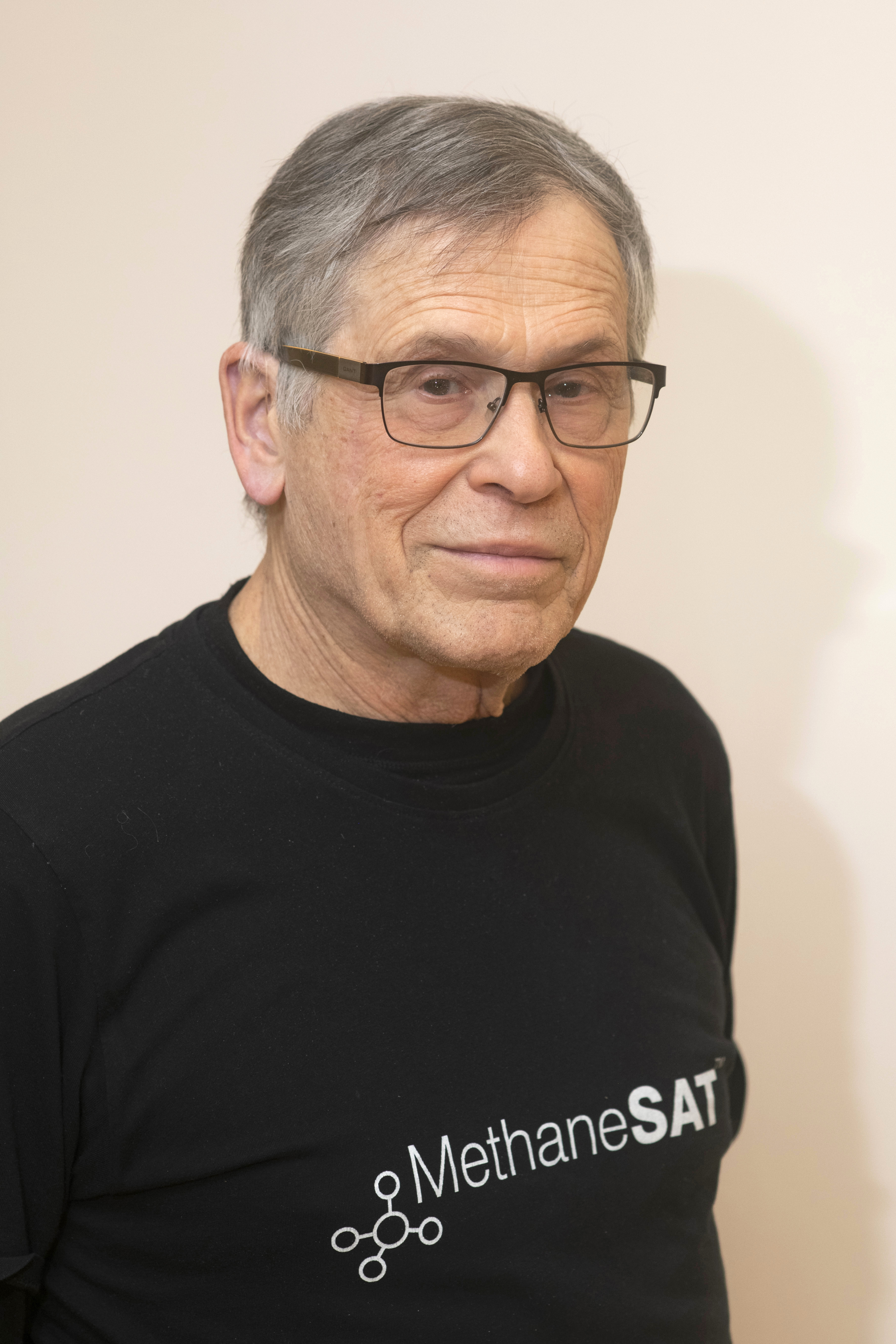
Dr. John E. Mak is a Professor at Stony Brook University's School of Marine and Atmospheric Sciences (SoMAS) and leads the Mak Lab, focusing on atmospheric and marine chemistry through isotopic analysis and airborne instrumentation. Collaborating with institutions like NASA, UC Irvine, and NCAR, he explores topics such as urban air quality, biogenic emissions, and methane removal mechanisms. His work is supported by the National Science Foundation (NSF), EPA, and NYSDEC.
- Ph.D. from University of California, San Diego/Scripps Institution of Oceanography (1992)
- Lead PI for NSF-funded GOTHAAM (2024) airborne mission
- Co-developed PTR-TOFMS and WASP systems for atmospheric sampling
Research interests span multiple domains:
- Isotope Geochemistry: Using stable and radiocarbon isotopes to trace atmospheric reactions and transport processes
- Airborne Observations: Developing aircraft-based platforms for vertical VOC profiling
- Climate Feedbacks: Quantifying how warming impacts biogenic emissions and air quality
- Aerosol Dynamics: Studying mineral dust-sea salt interactions for methane oxidation
Recent publications show his team's focus on:
- Comparing NYC and Long Island VOC dynamics during/after pandemic shutdowns (2023)
- Clumped isotope analysis in atmospheric CO (2024)
- Photocatalytic chlorine production mechanisms (2023)
- Long-term biomass burning records from Antarctic ice cores (2010)
Advising and grants include mentoring students like Luping Su and Zhihui Wang, with continuous NSF funding since 1994 and recent EPA support for Southern Hemisphere studies. His 2024-2025 work will examine methane removal via mineral dust catalysis during the postponed GOTHAAM mission.