معرفی
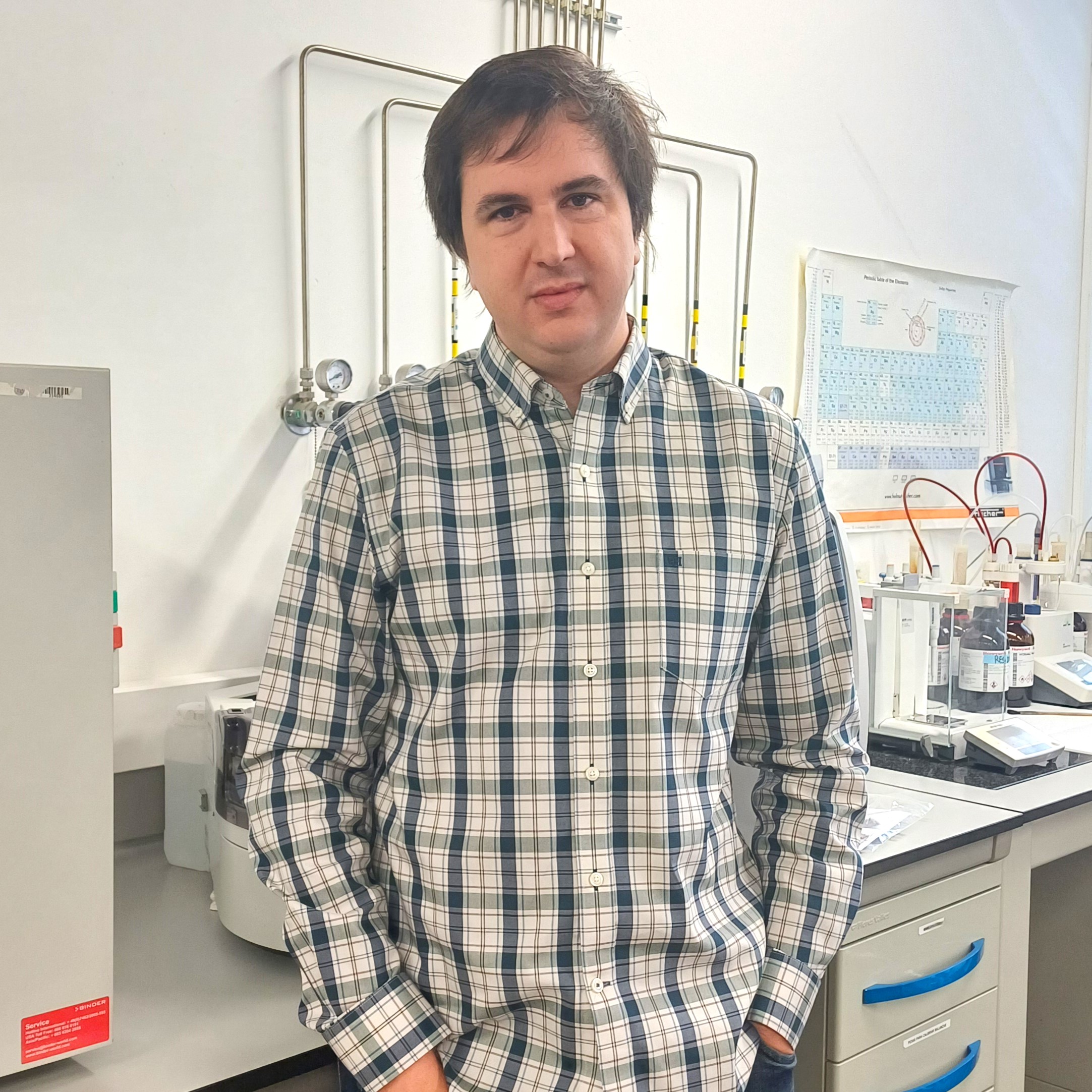
Johan De Greef is an Associate Professor at KU Leuven's Faculty of Engineering Technology, where he leads Subdivision 23 within Group T Leuven Campus. He is affiliated with the Sustainable Materials Processing and Recycling (SeMPeR) research group under the Department of Materials Engineering. His work focuses on developing advanced thermochemical processes for waste valorization and sustainable materials management within the Circular Economy framework.
De Greef's research spans multiple critical areas in sustainable materials processing, with particular expertise in:
- Waste-to-Energy systems and grate furnace operation
- Torrefaction and thermal processing of biomass and waste streams
- Swirling flow dynamics for process intensification
- Pollutant formation control (HCl, SO2) in combustion
- Data-driven process control for waste treatment
- Numerical modeling of thermochemical processes
His recent publications (2024-2025) demonstrate a cohesive research trajectory focused on sustainable waste processing technologies. The work shows increasing integration of computational modeling with experimental approaches, particularly in grate furnace combustion dynamics, swirling flow characteristics, and torrefaction processes. Many projects address specific waste streams like spent coffee grounds, highlighting practical applications of the research for industrial implementation.
De Greef serves as principal investigator on multiple significant research projects including UPscaling deep conversion routes for hard-to-reCYCLE biogenic waste (2025-2029), Process data models for Waste-to-Energy (2024-2028), and Thermochemical processing of complex multi-phase waste streams (2022-2027). He also contributes to academic governance as a member of the Council of the Faculty of Engineering Technology and the Materials Engineering Department Council.
His research group develops innovative solutions for converting non-recyclable waste streams into valuable energy and materials through advanced thermochemical processing. The team combines experimental approaches with computational fluid dynamics to optimize these processes for industrial application, with particular focus on improving efficiency while minimizing environmental impact.