معرفی
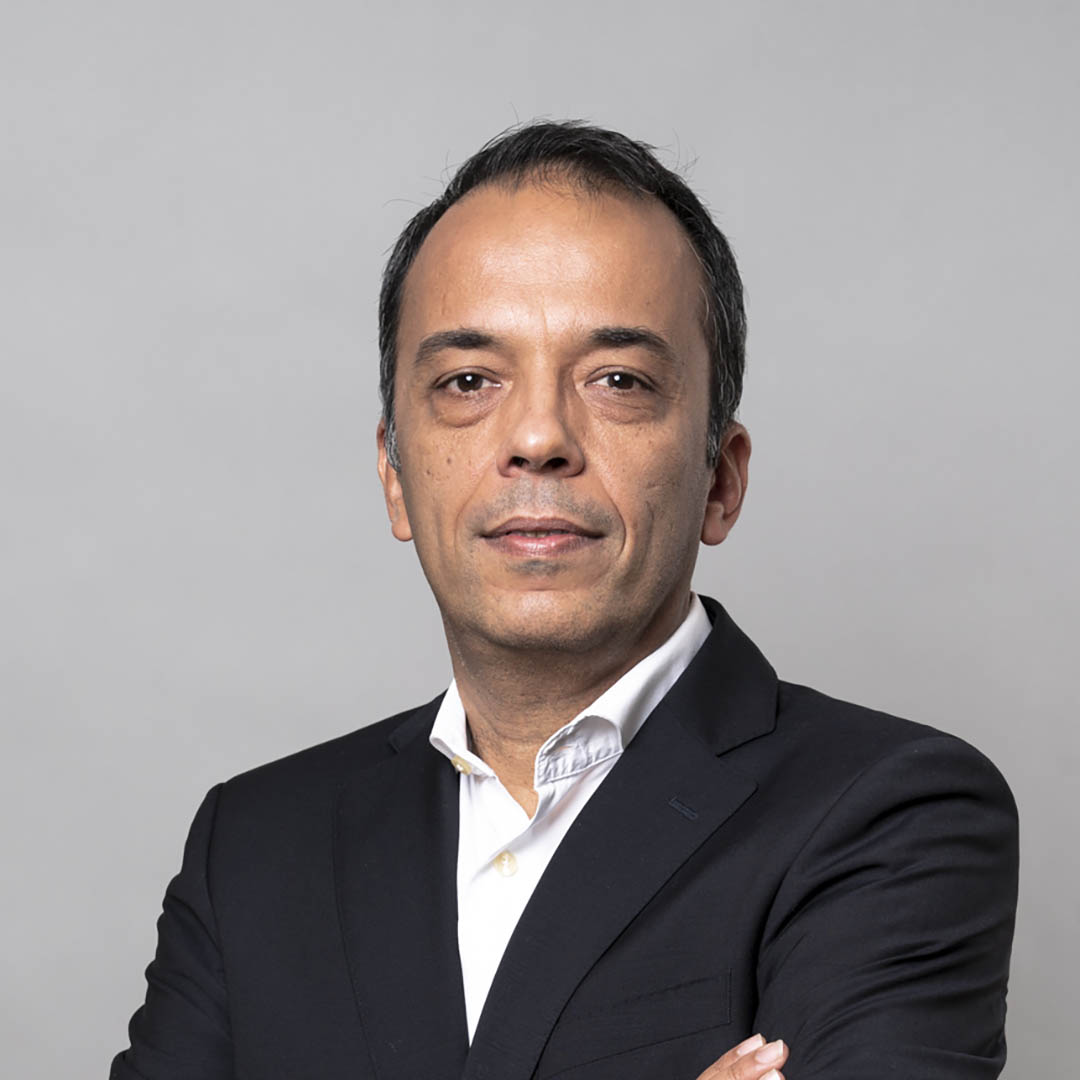
Joerg Bibow serves as Professor and Chair of Economics at Skidmore College in Saratoga Springs, NY. His academic career spans several decades with a focus on monetary economics, European integration, and the history of economic thought. Bibow holds multiple advanced degrees from prestigious institutions across three continents.
- B. Com. Hons. (Econ), University of the Witwatersrand, South Africa (1991)
- Diplom-Volkswirt, University of Hamburg, Germany (1992)
- M. Phil. (Econ), University of Cambridge, United Kingdom (1993)
- Ph. D. (Econ), University of Cambridge, United Kingdom (1996)
- Habilitation, University of Hamburg, Germany (2004)
Bibow's research focuses primarily on Keynesian economics, monetary policy, and Eurozone economics. His work critically examines the European Monetary Union's structural issues, international monetary systems, and central banking practices. He has developed influential theories on fiscal integration in the Eurozone, most notably his proposal for a 'Euro Treasury' which has gained traction with European policy institutions including the European Trade Union Confederation and European Parliament.
His publication history reveals a consistent focus on monetary theory and international finance, with recent work examining Keynes's legacy, the US dollar's global role, and Eurozone governance challenges. Bibow frequently connects historical economic thought with contemporary policy challenges, particularly regarding financial instability and the limitations of current monetary frameworks.
Bibow has actively engaged with European policy debates, with his 'Euro Treasury' proposal being featured in discussions at the European Commission and appreciated by the S&D Group in the European Parliament. His 2023 paper celebrating the 100th anniversary of Keynes's 'Tract on Monetary Reform' appeared in Contributions to Political Economy.
As an educator, Bibow teaches across a broad range of economics subjects including macroeconomics, monetary economics, financial economics, microeconomics, managerial economics, European integration, international trade, international finance, central banking, and the history of economic thought. His academic profile demonstrates a commitment to both theoretical rigor and practical policy relevance.