معرفی
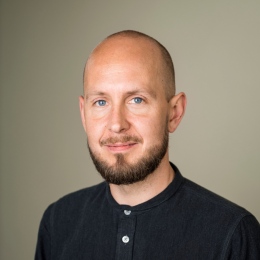
Joakim Isaksson is a Senior Lecturer and Associate Professor in the Department of Social Work at Stockholm University. He is affiliated with The Research Group in Psychosocial Work, which focuses on the interaction between individuals in need of care and professional caregivers, including power relations in these relationships. His work address complex psychosocial issues within healthcare and educational settings.
Dr. Isaksson's research interests center on psychosocial work, with specific expertise in school attendance problems, child welfare systems, and oncology social work. His work examines the intersection of social work practice with educational policy and healthcare delivery systems, particularly focusing on vulnerable populations including students with attendance issues and cancer patients and their families. He employs primarily qualitative research methods to explore the nuanced experiences of individuals within these systems.
His publication record shows a clear trajectory of research examining attendance problems in international contexts, with comparative studies across Germany, Japan, Sweden, and the UK using PISA data. Simultaneously, he has developed significant expertise in the role of social workers within cancer care settings, documenting both patient and professional perspectives on psychosocial support needs.
Dr. Isaksson leads and participates in several significant research projects, including 'Municipal child welfare - investigations, services and trajectories beyond,' which follows two thousand children and youth through the child welfare system for six years, and 'School Attendance Problems in an International Comparative Perspective,' which investigates dimensions of school attendance problems among 15 to 17-year-olds across multiple countries.
His work with The Research Group in Psychosocial Work demonstrates a commitment to understanding the complex dynamics between caregivers and those receiving care, with particular attention to power structures within these relationships. His research contributes significantly to developing evidence-based approaches to social work practice in both educational and healthcare settings.