معرفی
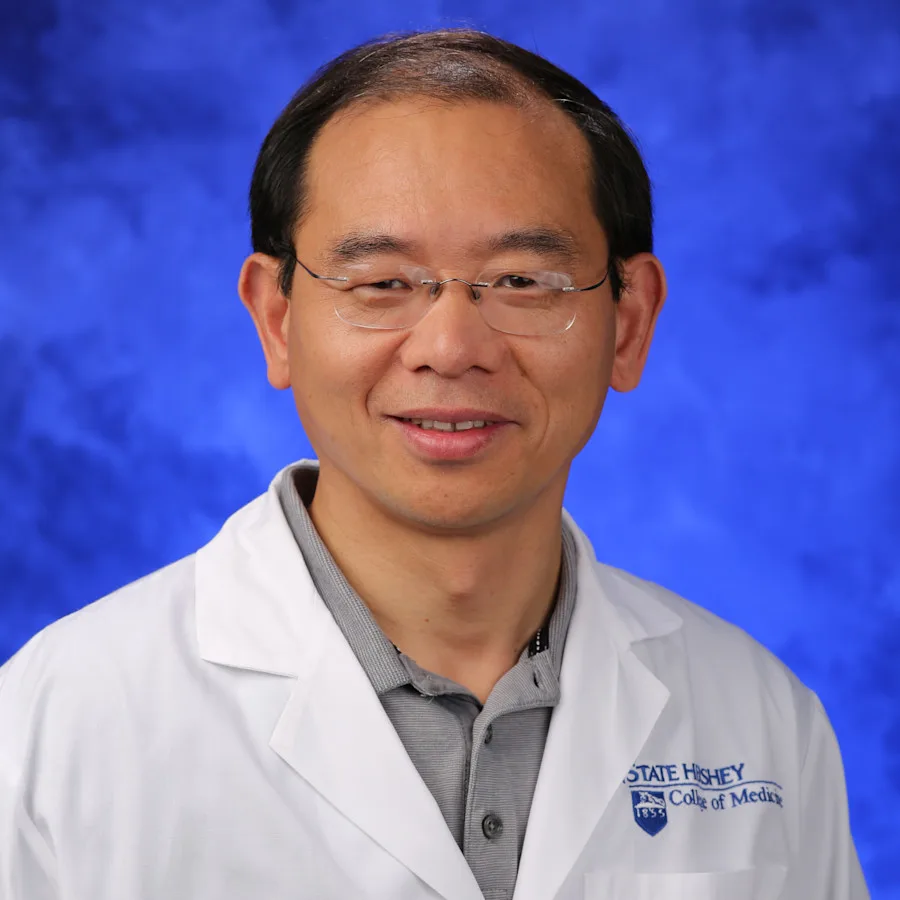
Dr. Jianming Qiu is a Professor in the Department of Microbiology, Molecular Genetics and Immunology at the University of Kansas Medical Center, specializing in human parvoviruses including B19V, HBoV1, and AAVs. His research focuses on viral DNA replication mechanisms and development of viral vectors for gene therapy applications.
Dr. Qiu received his BS in Veterinary Medicine and MS in Biochemistry from Zhejiang University, China, followed by a PhD in Molecular Virology from the Chinese Center for Disease Control and Prevention. He completed postdoctoral training at the NIH's National Heart, Lung, and Blood Institute and the University of Missouri-Columbia.
His laboratory investigates how parvoviruses utilize cellular DNA replication and repair mechanisms, how viral genes are transcribed and processed, and how viral infections initiate and subvert cellular defense mechanisms. Recent work has expanded to include SARS-CoV-2 research, examining viral infection mechanisms in human airway epithelia. Current projects include developing recombinant viral vectors for gene delivery, studying human virus infection in airway epithelia, and understanding molecular mechanisms of virus infection in erythroid progenitors.
Dr. Qiu's extensive publication record demonstrates expertise across multiple virology subfields, with particular strength in parvovirus molecular biology, viral vector development, and host-pathogen interactions. His research has elucidated key mechanisms of viral DNA replication, identified novel viral receptors, and characterized viral protein functions critical for infection.
- Member of the ICTV Parvoviridae Study Group (co-author of ICTV Virus Taxonomy Profile)
- Development of innovative viral vector systems for human airway gene delivery
- Identification of AXL as a co-receptor for parvovirus B19 infection
- Elucidation of DNA damage response pathways in viral replication
Dr. Qiu has mentored numerous graduate students and postdoctoral fellows, many of whom have become productive researchers in virology. His laboratory maintains active collaborations with researchers across multiple institutions and operates state-of-the-art virology facilities including advanced cell culture systems for polarized human airway epithelia and primary human erythroid progenitor cells.