معرفی
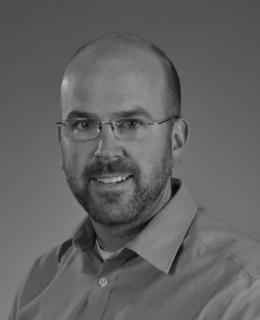
Jeffrey Macdonald serves as an Associate Professor at the University of North Carolina at Chapel Hill School of Medicine, with a primary appointment in the Department of Biomedical Engineering. He holds significant leadership roles as the Founder and Scientific Director of the Metabolomic Facility and Co-Scientific Director of the joint UNC/NCSU/NOAA Marine MRI facility at Pivers Island near Beaufort, NC.
Dr. Macdonald's educational background includes a Ph.D. in Pharmaceutical Chemistry from the University of California at San Francisco (1995), an M.S. in Environmental Toxicology from the University of California at Davis (1988), and a B.A. in Aquatic Biology from the University of California at Santa Barbara (1984). His academic journey continued with post-doctoral training at the National Institute of Environmental Health Sciences under Dr. Robert London, a pioneer in fluxomics.
His research program centers on metabolomics and fluxomics, with a particular focus on using stable isotope-labeled nutrients (13C, 15N, 2H) to trace metabolic networks. Dr. Macdonald has developed innovative NMR-compatible bioreactors, including a patented multi-coaxial membrane bioartificial liver and a fluidized-bed bioreactor for hepatocyte culture. His work spans from fundamental metabolic studies to environmental applications, with recent emphasis on comparative multi-omics across mammalian species and bat aging research.
Analysis of his publication record reveals consistent research activity with a clear evolution from foundational metabolomic techniques to broader applications in environmental science, cancer research, and comparative biology. His work demonstrates increasing interdisciplinary collaboration, connecting metabolomics with fields as diverse as marine science, neurology, and public health.
Dr. Macdonald has secured NIH funding for developing novel fluxomic applications and established the first Metabolomic Facility at UNC in 2002. His research program has facilitated numerous collaborations across diverse biological systems, from diatoms and bacteria to rodents and humans, with recent expansion into environmental metabolomics of wild populations including mollusks, sea turtles, and bats.
His laboratory work focuses on the integration of metabolomics with tissue engineering to enable quantitative biosystem analysis. The Marine MRI facility represents a significant expansion of his research capabilities into marine environmental systems, while his ongoing work with the Metabolomic Facility continues to support diverse research projects across campus and beyond.