معرفی
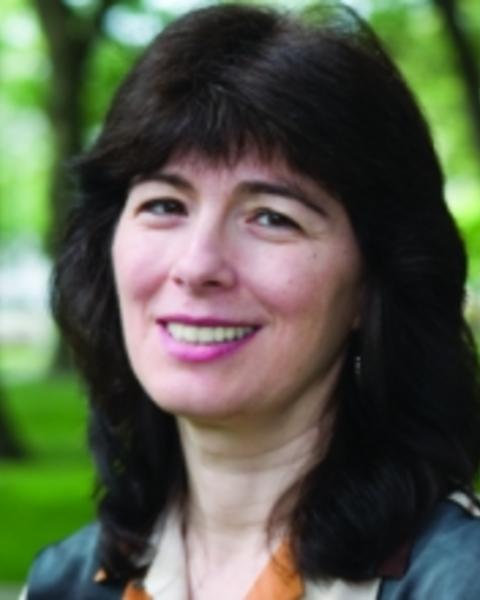
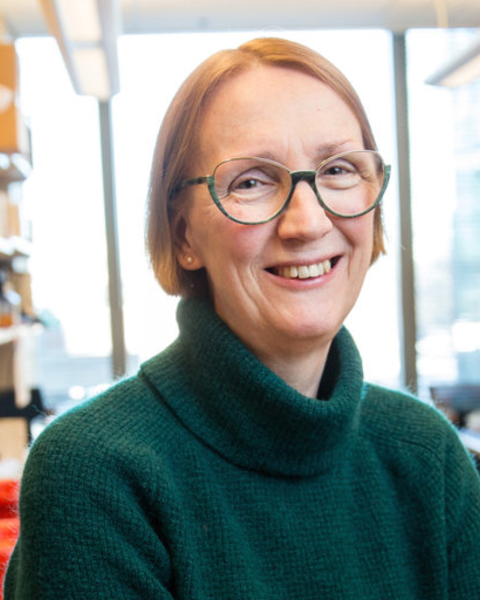
Jeantine Lunshof serves as Senior Research Scientist in the Department of Genetics at Harvard Medical School and Collaborative Ethics Lead at the Wyss Institute for Biologically Inspired Engineering at Harvard. She is also a Visiting Researcher at the Broad Institute of Harvard and MIT and a Visiting Scholar in the Department of Cell Biology at Erasmus University Medical Center in Rotterdam, Netherlands.
Her educational background includes a B.A. in Philosophy and Tibetan Language and Culture from the University of Hamburg, an M.A. in Philosophy and Health Law from the University of Amsterdam, and a Ph.D. from VU University Amsterdam.
Lunshof's research focuses on philosophical research ethics in synthetic biology and biologically inspired engineering, where disruptive technological innovations require epistemological and normative exploration. As a collaborator with George Church, she developed the 'Collaborative Ethics' model currently implemented across biologically inspired engineering at the Wyss Institute. Her work addresses conceptual and normative questions surrounding nervous system organoids, AI-designed biological systems, computer-designed programmable life forms like Xenobots, synthetic biology including genome recoding, and organ-on-chip translational research.
Her scholarly work demonstrates a consistent focus on the ethical frameworks needed for translational research that bridges fundamental discoveries with real-world applications. Recent publications (2021-2024) show increasing attention to the philosophical implications of engineered living entities and the development of appropriate ethical guidance for emerging biotechnologies.
Notable achievements include:
- Marie Curie International Outgoing Fellowship (2013-2015) for conceptual and normative questions in systems biology
- Kavli Frontiers of Science Fellow (2024)
Lunshof teaches the annual graduate course Responsible Conduct of Science at Harvard Medical School's Division of Medical Sciences. She conducts her philosophical and ethical work as a full-time ethicist directly on the laboratory workfloor, collaborating with scientists to address ethical questions as they arise in research. Her innovative Open Consent model for the Personal Genome Project has reshaped concepts of privacy and consent in genomic research. She is actively involved in projects on iPSC-based therapies for hereditary anemias at Erasmus University and continues to explore the ethical dimensions of cutting-edge biological engineering at the Wyss Institute.