
معرفی
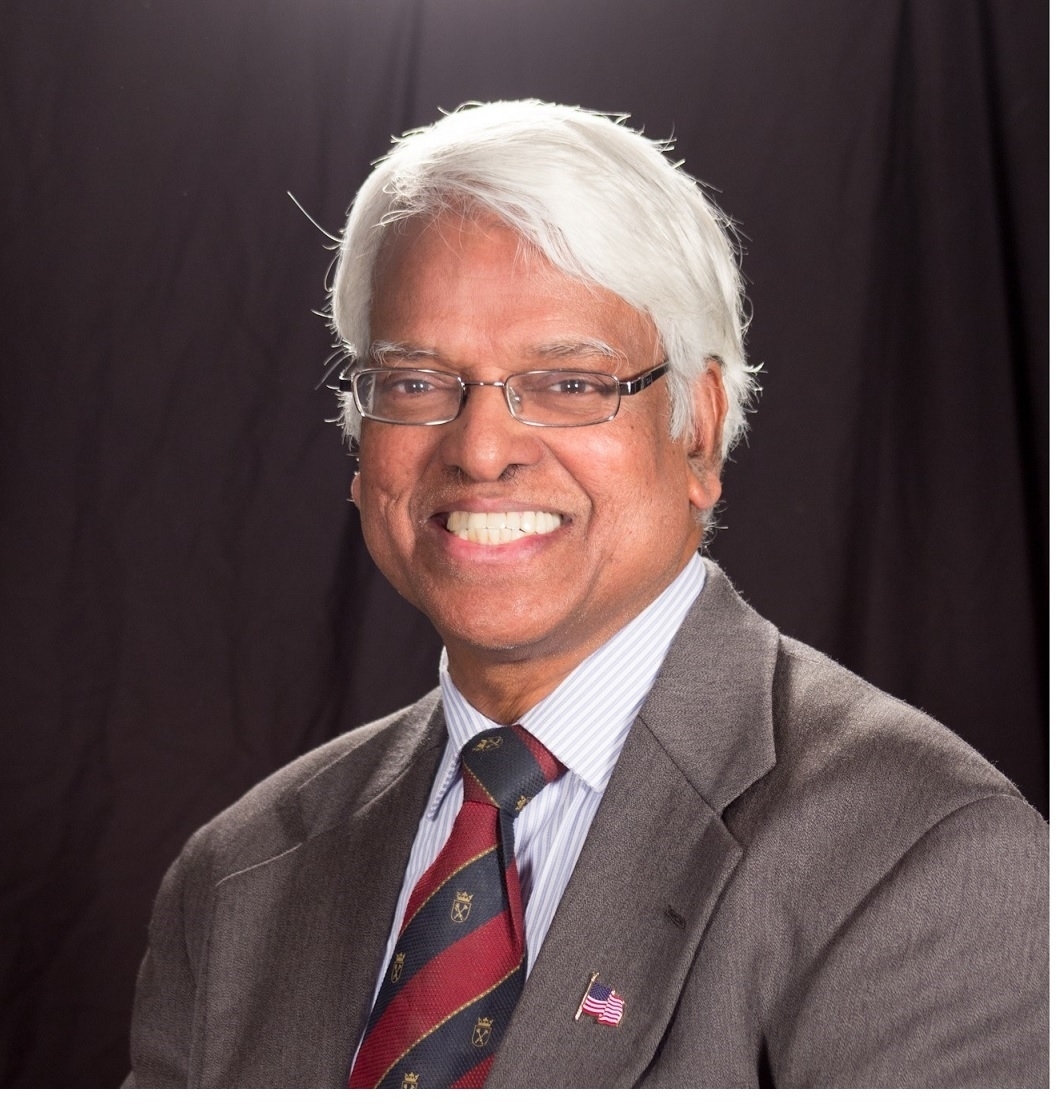
Dr. Jay Nathan is a Professor of Management at the Peter J. Tobin College of Business, St. John’s University, where he has taught full-time since 1993. Previously, he held a tenured faculty position at the University of Scranton’s Kania School of Management. He holds a PhD in Business Strategy from the University of Cincinnati and an MBA in International Business and ME in Industrial Systems from the same institution. His career spans over 35 years of academia and industry experience in multinational corporations, focusing on corporate strategy, forecasting, and quality management.
Dr. Nathan’s research focuses on global value chains, international business, and cultural management dynamics. He has authored/co-authored over 100 peer-reviewed articles and books, including seminal works on Kazakhstan’s economic transformation and India’s development challenges. His recent publications address smart city competitiveness in Kazakhstan, Hungary’s gazelle companies, and cross-cultural management practices in Africa and Asia. He serves as an editorial board member for several journals and was honored as a Fulbright Scholar in multiple countries.
Dr. Nathan’s professional accolades include the Editor-in-Chief Award from the Global Awareness Society International and recognition as an outstanding business professor by St. John’s University alumni. He advises PhD programs at Eurasian National University (Kazakhstan) and Hong Kong Baptist University. His teaching spans global strategy, international operations, and sustainable sourcing, reflecting his commitment to integrating global perspectives into business education.
His international engagements include lecturing in over 30 countries under various fellowships, emphasizing global engagement for development. Key areas of focus include geopolitical impacts on globalization, human capital management from a psychoanalytic lens, and non-profit marketing strategies. He has held honorific professorships at institutions in Kazakhstan and Mongolia, reflecting his deep ties to Eurasian academic communities.