معرفی
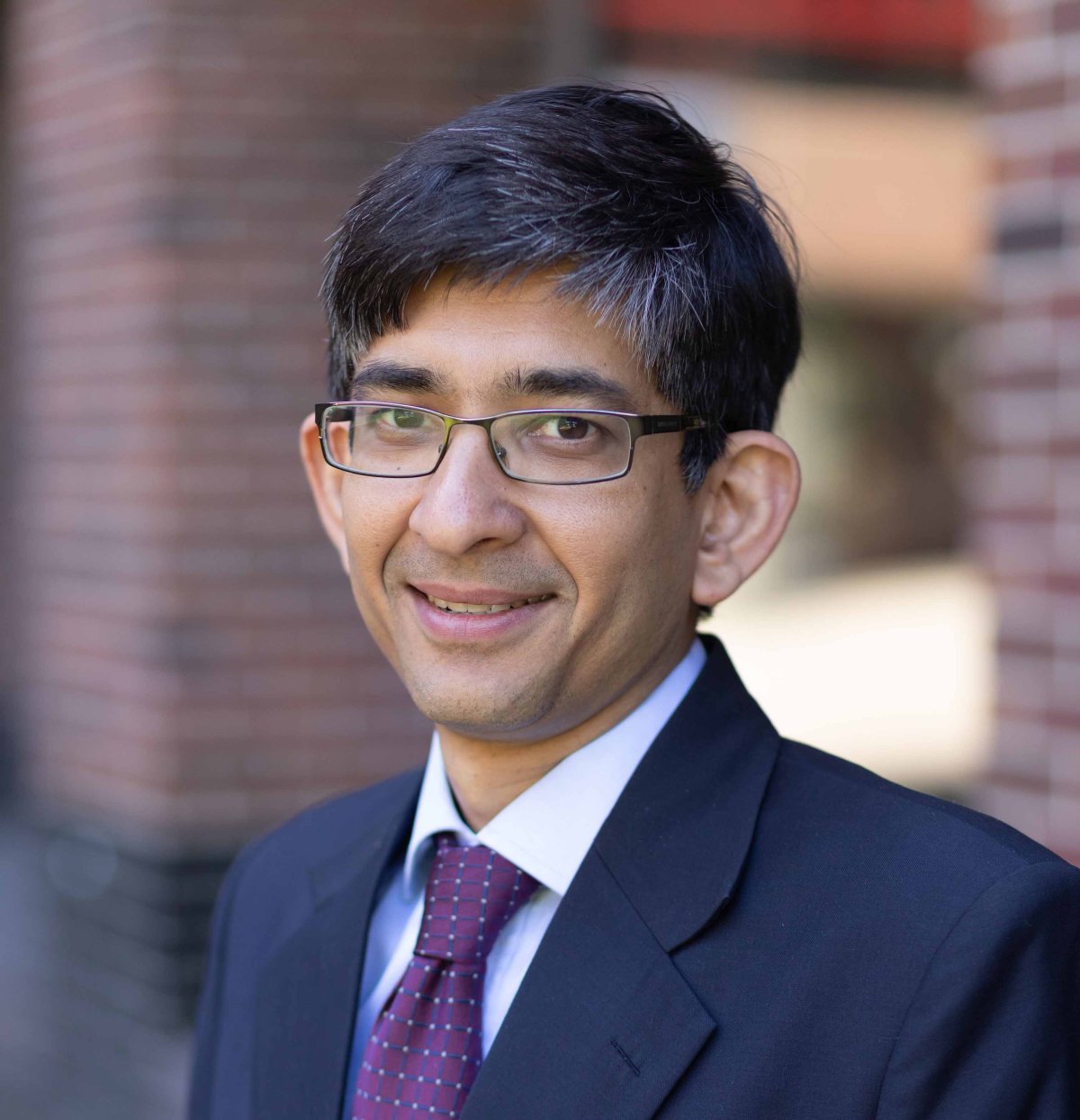
Jason Hicks is a Professor in the Department of Chemical and Biomolecular Engineering at the University of Notre Dame, College of Engineering, where he also serves as the Associate Dean for Graduate and Postdoctoral Affairs. His research group focuses on heterogeneous catalysis, particularly the integration of nonthermal plasma with catalytic materials to enable sustainable energy processes and the conversion of abundant feedstocks such as methane, CO2, and biomass into valuable fuels and chemicals.
The Hicks Research Group explores three primary research directions: (1) Plasma-Stimulated Catalysis for activating stable molecules like CH4 and CO2, (2) Catalyst Discovery for Alkane/Alkene Transformations using earth-abundant metals to convert shale gas into liquid fuels, and (3) Lignocellulosic Biomass and CO2 Conversions with selective deoxygenation and methanol synthesis. The group emphasizes fundamental understanding of catalyst structure-activity relationships and stability under reaction conditions.
His recent publications (2023–2025) demonstrate a strong focus on plasma-catalysis synergy, particularly in light alkane conversion, hydrogen production, and ammonia synthesis. Key themes include plasma-induced strong metal–support interactions (SMSI), kinetic modeling of plasma-assisted reactions, and the design of bimetallic phosphide and polyoxometalate catalysts. The work bridges experimental and computational approaches to advance sustainable chemical processes.
Scientific awards and recognitions include the Eilers Fellowship, CEST Research Fellowship, and Best Poster Award at AIChE. His group is part of the NSF Center for Innovative and Strategic Transformation of Alkane Resources (CISTAR), reflecting significant grant support and collaborative impact.
Hicks advises a dynamic team of graduate students and has successfully mentored multiple PhD and Master’s graduates. His research is supported by external funding and involves interdisciplinary collaboration. The Hicks group maintains an active presence in catalysis research, contributing to both fundamental science and technological innovation in energy and sustainability.