معرفی
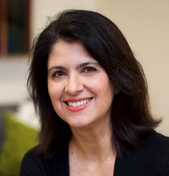
Dr. Janet Graham serves as an Honorary Professor within the School of Cancer Sciences at the University of Glasgow, based at the Centre for Oncology & Applied Pharmacology, Beatson Laboratories. Her research is deeply embedded in gastrointestinal oncology with significant contributions to colorectal, pancreatic, and hepatocellular cancers.
Her research interests center on oncology, particularly colorectal cancer, pancreatic cancer, molecular pathology, and cancer genomics. Graham's work integrates clinical trial methodology, biomarker development, and real-world evidence generation, with strong emphasis on tumor microenvironment analysis (notably the Glasgow Microenvironment Score) and precision oncology approaches. She frequently investigates treatment response predictors, diagnostic pathways, and therapeutic innovations across gastrointestinal malignancies.
Analysis of her 15 most recent publications reveals consistent focus on colorectal cancer (12/15 articles), with growing emphasis on immunotherapy (3/15) and real-world data applications (2/15). Her work spans clinical trials (6/15), biomarker studies (5/15), epidemiological investigations (3/15), and methodological innovations (2/15), demonstrating interdisciplinary collaboration across oncology, pathology, genomics, and health services research.
Scientific contributions include:
- Development of the Glasgow Microenvironment Score for colorectal cancer prognosis
- Leadership in the ScotScan Colorectal Cancer Group
- Methodological insights into adaptive platform trials (FOCUS4)
- Investigations into sex-specific mutational processes in cancer
Graham maintains active clinical research engagement through collaborations with major institutions including Beatson West of Scotland Cancer Centre. Her work demonstrates strong translational focus, bridging laboratory findings with clinical applications through extensive multi-center trials and international consortia participation. Current research directions indicate increasing focus on immunotherapy combinations and real-world data integration for treatment optimization.