معرفی
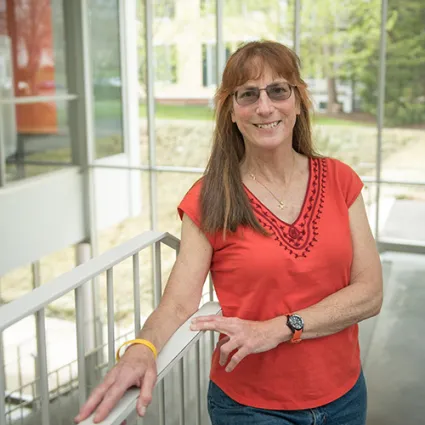
Jake Allgeier is an Associate Professor in the Department of Ecology and Evolutionary Biology at the University of Michigan. His research focuses on applying ecological theory to address real-world conservation challenges, particularly in coastal ecosystems such as mangroves, seagrass beds, and coral reefs. He investigates how behavioral, population, and community dynamics influence nutrient and energy pathways, aiming to enhance conservation efficacy and ecosystem service sustainability, such as fisheries management. His work emphasizes human-induced changes, including anthropogenic impacts and climate change, and explores solutions like artificial reefs for fisheries and coral reef restoration.
Allgeier’s research integrates diverse fields and collaborations, addressing questions about biodiversity’s role in ecosystem function, artificial reef effectiveness, and individual behavior’s influence on ecosystem processes. He leads the Coastal Ecology and Conservation Lab, which engages in interdisciplinary projects, including studies on nutrient dynamics, fish behavior, and community ecology. His lab also emphasizes community outreach, partnering with local stakeholders in the Bahamas and Haiti to develop sustainable conservation strategies.
Key areas of focus include the ecological impacts of overfishing and nutrient pollution, the design and efficacy of artificial reefs, and the application of metabolic theory to predict ecosystem responses. Allgeier actively mentors graduate and undergraduate students, fostering their involvement in fieldwork, data analysis, and collaborative projects. His work has been featured in high-impact journals and media, highlighting both scientific contributions and community-driven conservation efforts.
Outreach initiatives include educational programs like the PODS (Precollege Ocean Discovery and Science) course for Bahamian students and collaborative projects with local communities to establish protected areas and sustainable fishing practices. These efforts reflect his commitment to bridging ecological research with practical solutions for environmental challenges.