معرفی
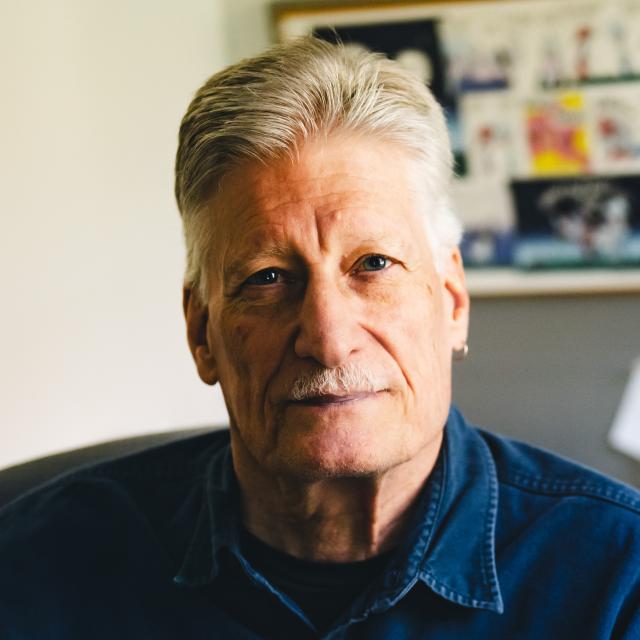
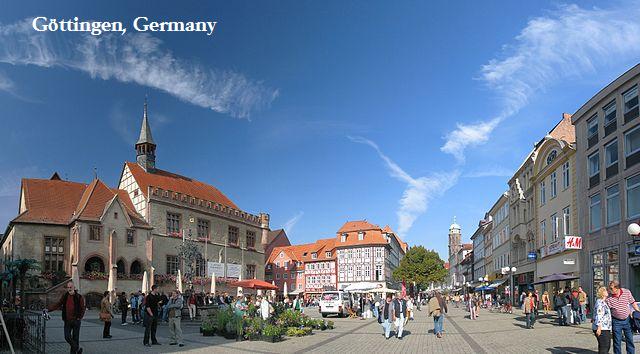
Prof. Jacob L. Wright is Professor of Hebrew Bible at Emory University's Candler School of Theology and Director of Graduate Studies in Emory's Tam Institute of Jewish Studies. He earned his doctorate from Georg-August-Universität, Göttingen, a renowned center for biblical scholarship where pioneers like Julius Wellhausen and Hermann Gunkel taught.
Wright's research spans Hebrew Bible, Biblical Criticism, Ancient Israel History, Archaeology, Jewish Identity Formation, and Biblical Interpretation. His work brings interdisciplinary perspectives to neglected aspects of ancient Israel's history and the formation of the Tanach. He examines how biblical literature evolved over time, particularly focusing on textual redaction, historical memory, and the relationship between academic scholarship and traditional Jewish approaches to Torah study.
Wright's publications reveal trends in exploring biblical composition history while connecting ancient texts to contemporary concerns. His work often examines how biblical authors synthesized competing traditions to create unified narratives, addressing fundamental questions about identity formation, memory, and community. He has made significant contributions to understanding Nehemiah, Torah origins, Sabbath development, and the historical contexts of biblical composition.
- 2023 PROSE Award for 'Why the Bible Began: An Alternative History of Scripture and Its Origins'
- Templeton prize for 'Rebuilding Identity: The Nehemiah-Memoir and its Earliest Readers'
- Featured on 'best-of' lists for 2023 from The New Yorker and Publishers Weekly
As an observant Jew and member of Young Israel of Toco Hills (a Modern Orthodox synagogue), Wright actively bridges academic biblical scholarship with traditional Jewish communities. He argues that Jewish tradition, by privileging interpretation over literalism, encourages people to live through the Torah rather than die through it. His scholarship demonstrates how critical biblical study can enrich rather than undermine religious practice, making him a significant voice in contemporary Jewish academic thought.