معرفی
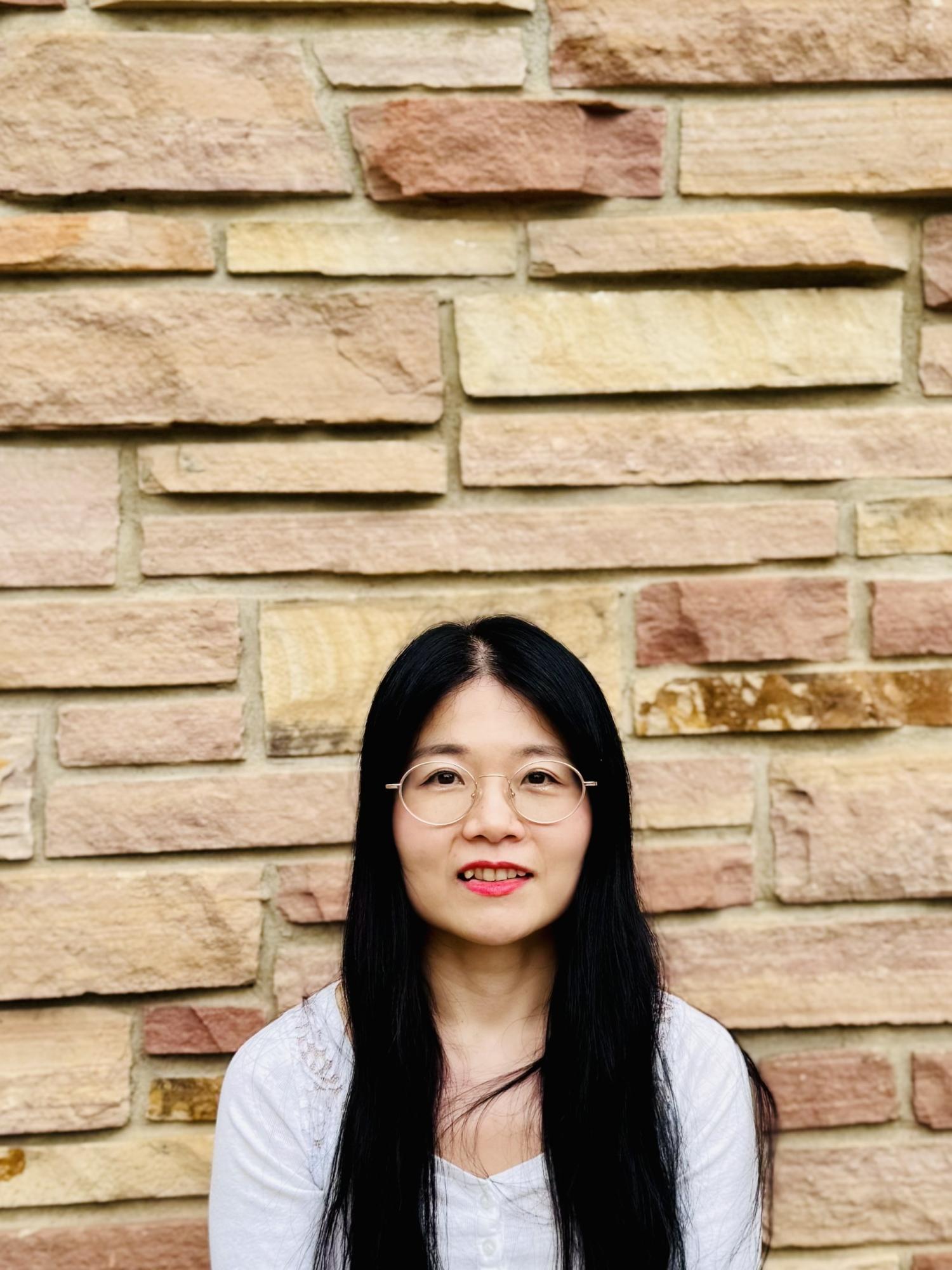
Ivy Tan is a Visiting Assistant Professor in the Department of Physics at the University of Colorado Boulder, where she conducts research at the intersection of geophysics, cloud physics, and climate science. Her work leverages remote sensing, in situ observations, and Earth system models to investigate the role of clouds—particularly mixed-phase and cold clouds—in Earth's climate system, with a focus on polar regions experiencing accelerated warming.
- Position: Visiting Assistant Professor
- Institution: University of Colorado Boulder
- Department: Department of Physics
- Research Focus: Cloud-climate interactions, Arctic climate, remote sensing, and climate modeling
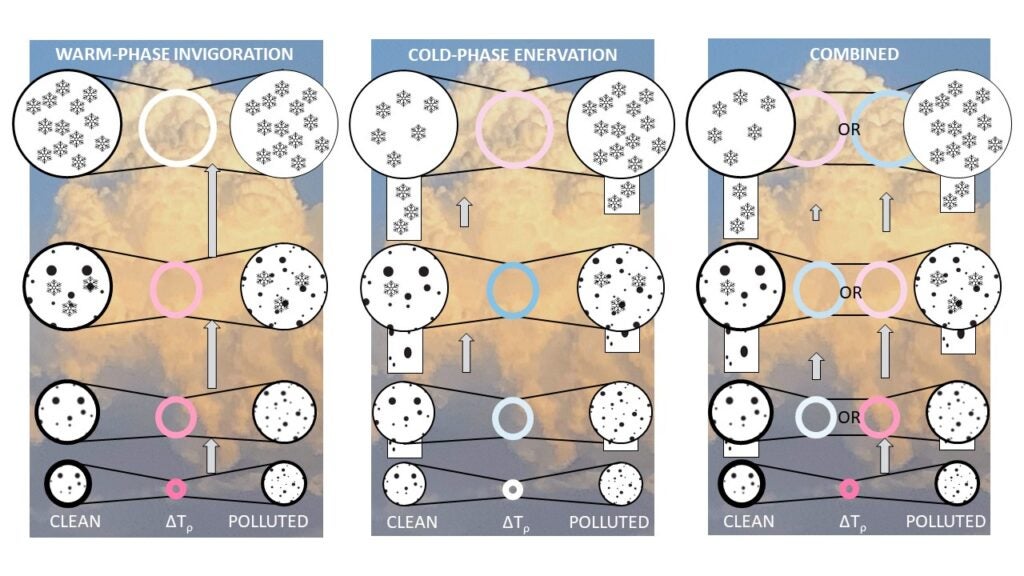
Her research interests center on reducing uncertainties in climate projections by improving the understanding of small-scale cloud processes. She investigates how mixed-phase clouds—comprising supercooled liquid and ice—affect radiative transfer and climate feedbacks. Her work emphasizes observational constraints on cloud feedbacks, thermodynamic phase partitioning, and the representation of cloud microphysics in climate models such as CAM5.
The analysis of her recent publications reveals a strong thematic focus on mixed-phase clouds, Arctic amplification, and cloud feedback mechanisms. Her studies utilize satellite data (e.g., MODIS, ISCCP) and modeling frameworks to explore cloud morphology, ice nucleation, and interannual variability in cloud properties. A recurring theme is the use of observational data to constrain climate model outputs and refine estimates of climate sensitivity.
Her scientific contributions have been published in top-tier journals including Science, Geophysical Research Letters, and npj Climate and Atmospheric Science. These works highlight her expertise in integrating observational and modeling approaches to address fundamental questions in climate science.
Ivy Tan actively mentors and collaborates within the atmospheric science community, though specific advisees are not listed in the provided text. Her research is supported by satellite datasets and modeling infrastructure, suggesting involvement in federally or institutionally funded climate research initiatives.
She is affiliated with a dynamic research group focused on cloud physics and climate dynamics, likely contributing to broader collaborative efforts in Earth system science. Her laboratory or team environment emphasizes data analysis, model development, and interdisciplinary approaches to understanding cloud behavior in a changing climate.