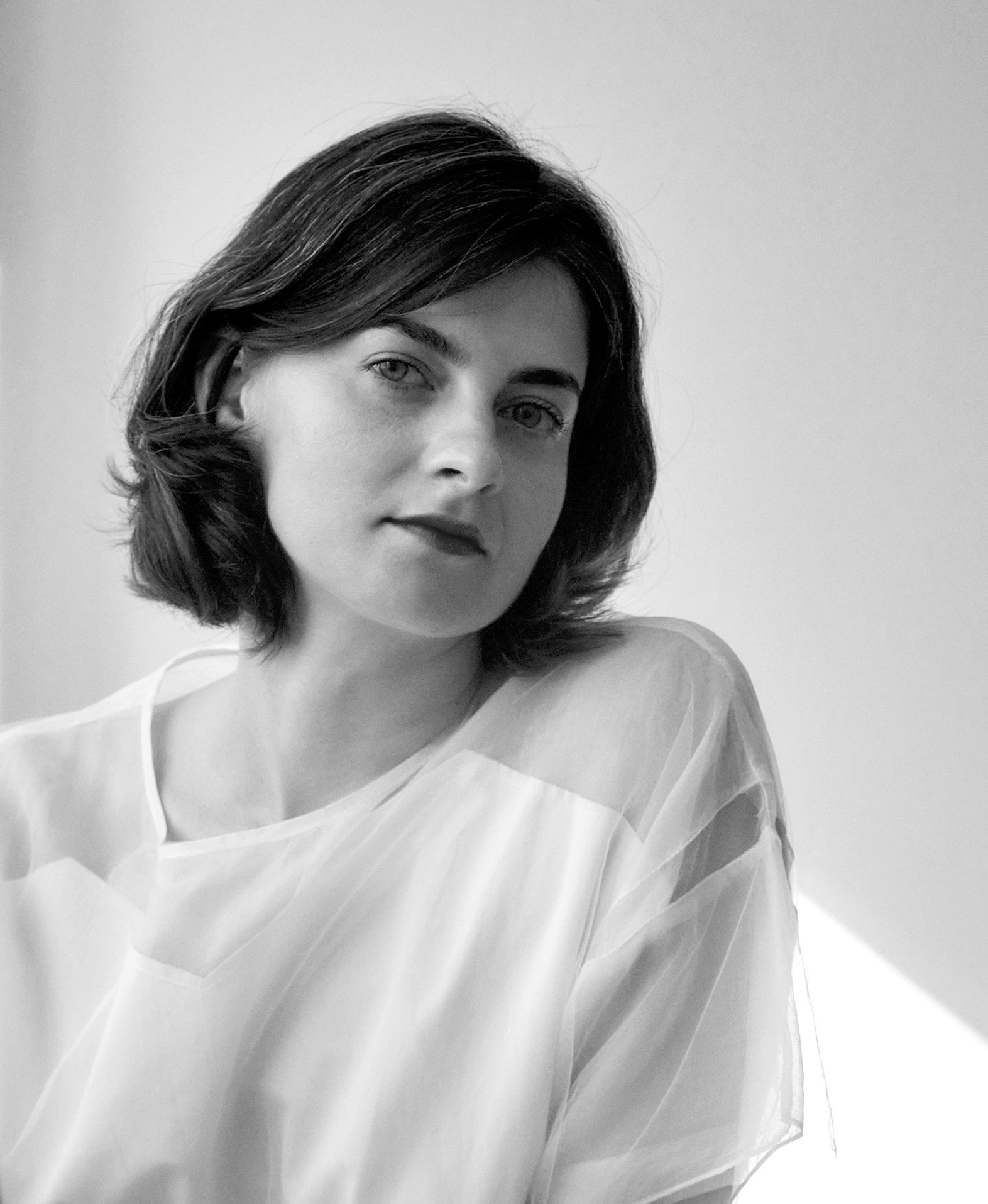
Ingrid Dobloug Roede
پژوهشگر ارشد · Architectural History
Oslo School of Architecture and Designمعرفی
Ingrid Dobloug Roede is a Research Fellow at the Institute of Architecture, Oslo School of Architecture and Design (AHO), where she investigates architectural history through the lens of Cold War diplomacy and post-war reconstruction. Her work centers on Norwegian-Soviet architectural exchanges, examining how exhibitions, model collections, and professional associations functioned as tools of ideological negotiation and cultural transmission during the mid-20th century.
Roede's research spans Architectural History, Cold War Architecture, and Architectural Diplomacy, with specific focus on Harald Hals' role in Soviet-Norwegian relations, the Oslo Municipal Model and Image Collection, and post-war purges within professional associations. She employs interdisciplinary methodologies—combining archival analysis, spatial theory, and visual culture studies—to reveal how architecture operated as both artifact and agent in geopolitical conflicts, particularly through exhibition practices and model-based diplomacy. Her work demonstrates architecture's capacity to transcend physical form and become a medium for ideological expression.
Analysis of her 15 most recent publications (2020-2025) reveals consistent engagement with Cold War spatial politics, where architectural exhibitions served as propaganda offensives and model collections functioned as diplomatic conduits. Key thematic clusters include: (1) the weaponization of architectural representation in Norwegian-Soviet relations; (2) post-war professional ethics and institutional memory; and (3) the mobility of architectural knowledge across ideological boundaries. This trajectory positions her at the intersection of architectural historiography and political geography, emphasizing architecture's active role in shaping Cold War narratives.
As a Research Fellow, Roede contributes to AHO's academic mission through publications and seminar leadership, though no formal advising relationships or grant projects are documented. Her collaborative work with scholars like Alena Beth Rieger on care architecture (Søstra100: Omsorgsbua) indicates expanding interests in socially engaged design practices, suggesting future research directions in welfare-state architecture.