معرفی
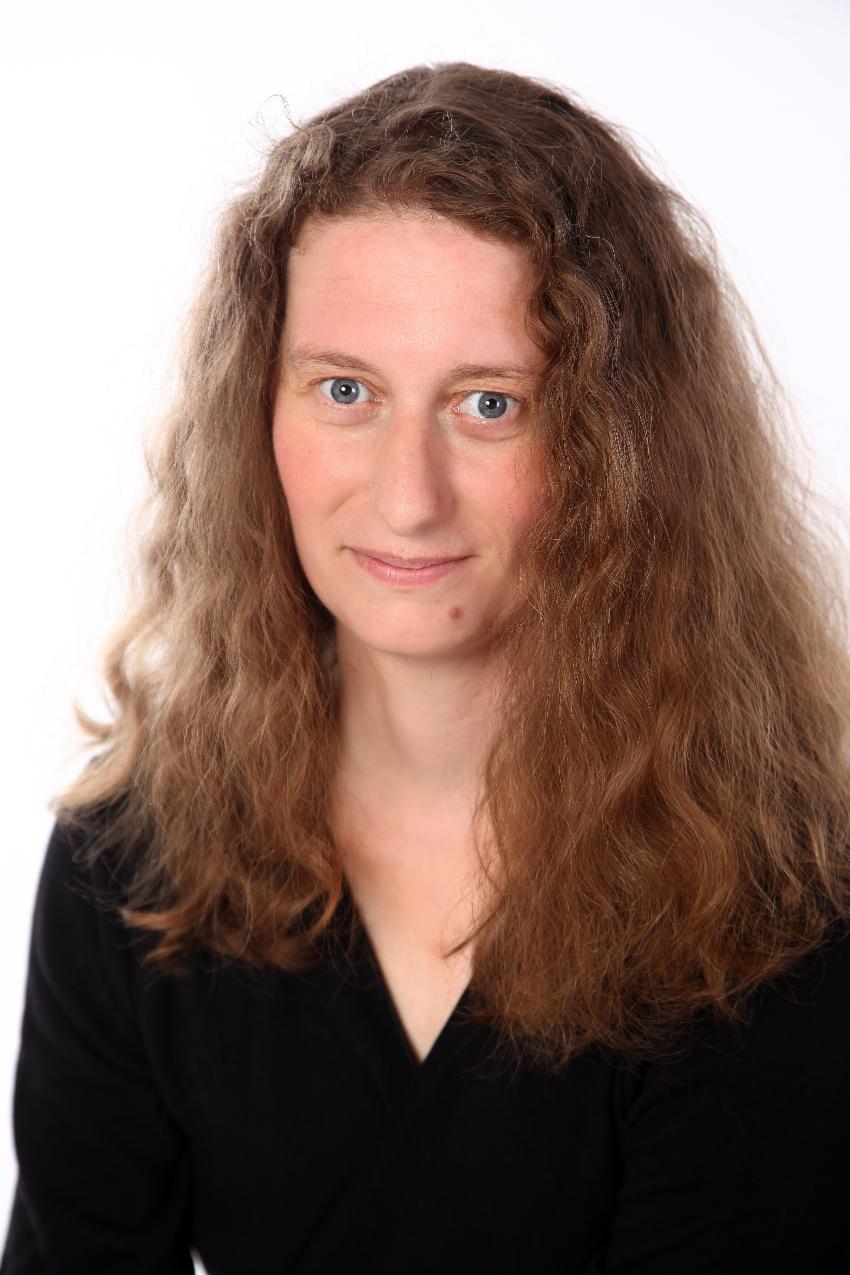
Ines Heiland is a Professor at the Department of Biomedicine, Faculty of Medicine, University of Bergen. Her research integrates systems biology and computational modeling to investigate metabolic networks, with a focus on NAD and tryptophan metabolism, mitochondrial function, and circadian regulation.
- University: University of Bergen
- School: Faculty of Medicine
- Department: Department of Biomedicine
- Position: Professor
- Email: i.heiland@uib.no
Her educational background is not explicitly detailed in the provided texts, but her extensive research and supervisory roles indicate a strong academic foundation in systems biology and molecular metabolism.
Ines Heiland's research centers on understanding how metabolic networks regulate cellular health and disease. She employs computational models to study NAD homeostasis, tryptophan catabolism, and their roles in aging, cancer, and neurodegenerative conditions. Her work emphasizes the integration of multi-omics data and kinetic modeling to uncover regulatory mechanisms in metabolic pathways.
The recent articles highlight a consistent focus on NAD metabolism, metabolic modeling, and the interplay between metabolism and epigenetics. Themes include the evolution of metabolic pathways, subcellular compartmentation of metabolites, and the development of bioinformatics tools for metabolic analysis. Her publications span from algorithm development (e.g., GEMCAT) to physiological insights in aging and disease.
She has contributed to editorial and review work, such as the 2020 editorial on systems biology challenges and the 2015 review on NAD metabolism dynamics, underscoring her leadership in the field.
- Supervised PhD student: Mathias Bockwoldt
Ines Heiland has been involved in collaborative research projects, often in partnership with institutions like UiT The Arctic University of Norway. She participates in networks such as NORBIS and BioCat, contributing to interdisciplinary efforts in biotechnology and systems biology. Her work involves both theoretical modeling and experimental validation, particularly in the context of marine biomass conversion and Arctic bioplastics.