معرفی
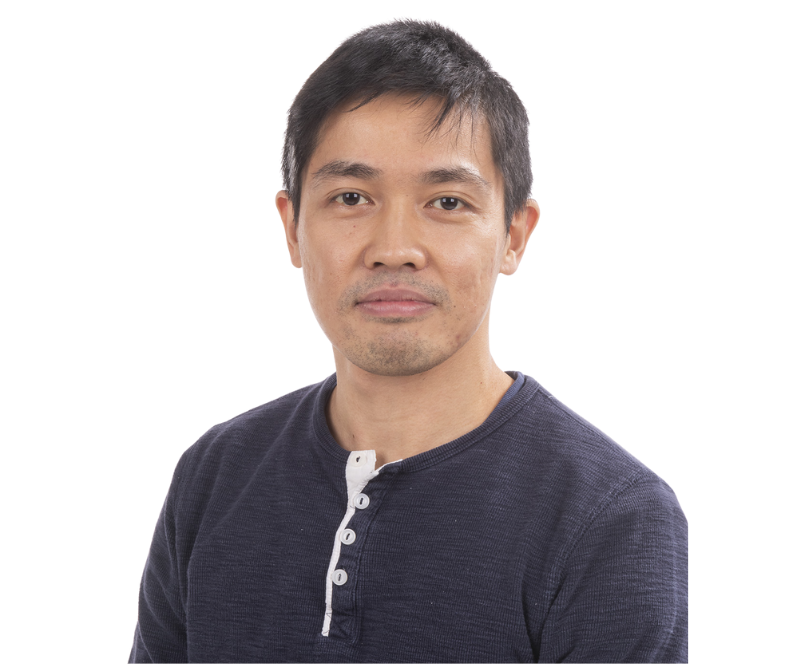
In-Hyun Park is an Associate Professor of Genetics at Yale University's Yale School of Medicine, with a secondary appointment in the Child Study Center. His research focuses on genetic and epigenetic mechanisms underlying cellular reprogramming and the use of brain organoids to model neurodevelopmental disorders. Park leads the Park Lab, which investigates human pluripotent stem cells, neural organoids, and their applications in studying conditions like schizophrenia and glioblastoma. He holds a PhD from the University of Illinois at Urbana-Champaign (2005) and completed postdoctoral training at Harvard Medical School (2009).
Research Interests:
- Stem cell biology and reprogramming
- Organoid-based disease modeling (e.g., brain, liver)
- Epigenetic regulation in pluripotency
- Neurodevelopmental and psychiatric disorders
- Cancer biology and tumor senescence
Recent work highlights advancements in regionalized brain organoids, such as telencephalic and diencephalic models, which enable study of cortical development and connectivity. Collaborations with groups like the Wu Tsai Institute and Yale Stem Cell Center underscore his interdisciplinary approach. The lab’s organoid platforms are applied to dissect mechanisms of schizophrenia, glioblastoma prognosis, and vascularized liver tissue engineering.
Lab & Affiliations: The Park Lab is located at the Amistad Street Building (New Haven, CT), part of Yale’s Department of Genetics. Park is affiliated with the Yale Stem Cell Center, Interdepartmental Neuroscience Program, and the Wu Tsai Institute. His work bridges basic science and translational research, with implications for regenerative medicine and precision therapeutics.