معرفی
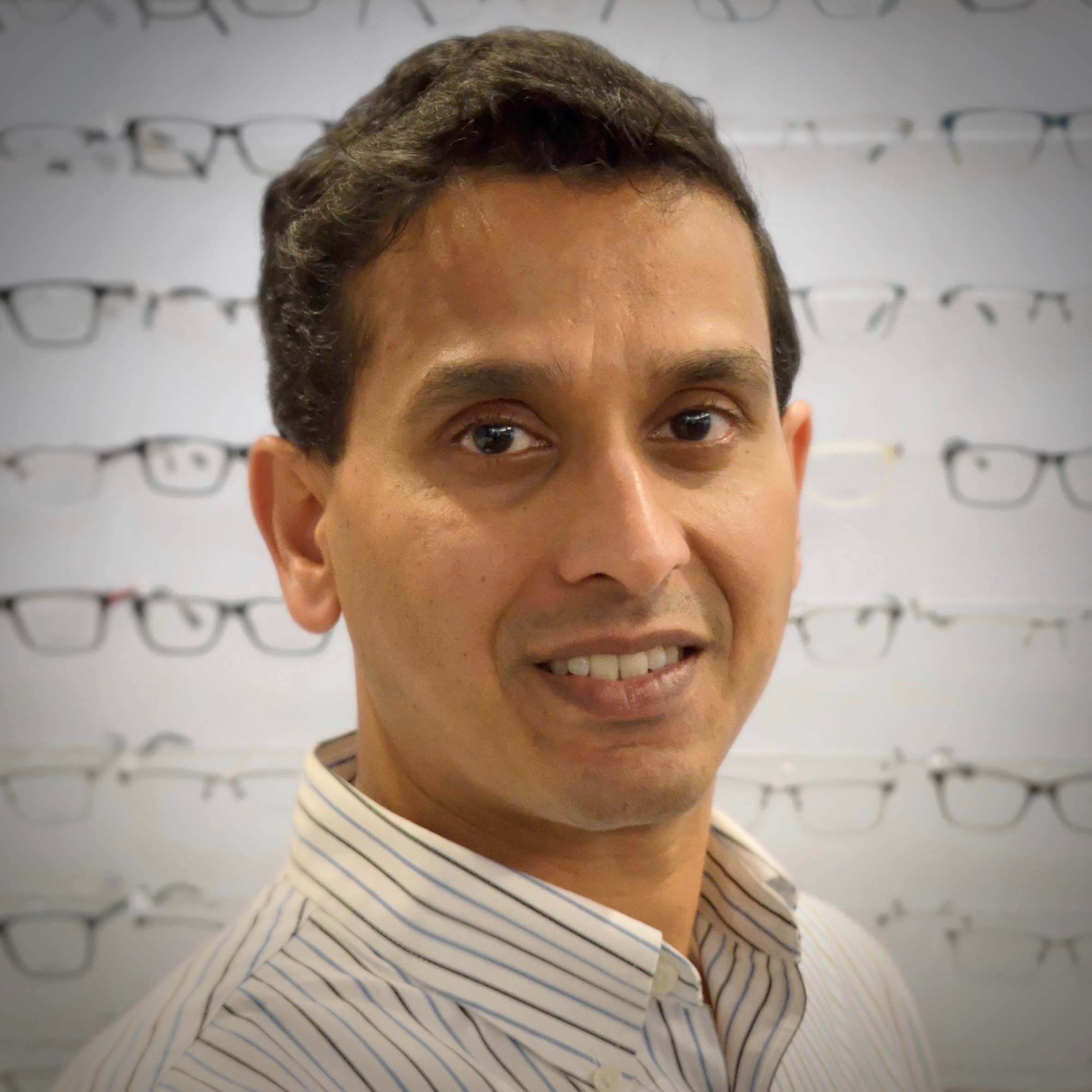
Dr. Imran Mohammed is currently a Lecturer (Assistant Professor) within the School of Optometry and Vision Sciences at Cardiff University, part of the College of Biomedical and Life Sciences. With over 13 years of academic research experience, he specializes in developing novel therapeutics for corneal and retinal blindness, particularly focusing on microbial keratitis which is the leading cause of monocular blindness worldwide.
Dr. Mohammed earned his B.Pharm with Distinction from Jawaharlal Nehru Technological University, Hyderabad, India, followed by an M.Sc. in Pharmacology with Merit from Sheffield Hallam University, UK. He completed his Ph.D. in Ocular Immunology at the University of Nottingham under the supervision of Professor Harminder S. Dua and Dr. Andy Hopkinson, where he was awarded the prestigious "Andrew Hendry Endowed Postgraduate Research Prize" for research excellence. After completing postdoctoral training at the University of Pennsylvania, he joined Cardiff University in 2022 as a Lecturer/Assistant Professor.
Dr. Mohammed's research program investigates the host-pathogen interactions during corneal infection, with a particular emphasis on understanding the pathobiology resulting from the interaction of immune cells with bacterial biofilms in the cornea. His laboratory utilizes preclinical mouse models of corneal infection, as well as in-vitro, ex-vivo, and in-silico model systems for developing and testing novel therapeutics. His primary focus is on synthetic host-defense peptides as alternative therapies for treating corneal infections and combating antimicrobial resistance. His work spans multiple areas including antimicrobial peptides, complement activation pathways, and anti-biofilm agents.
An analysis of Dr. Mohammed's recent publications reveals a strong focus on ocular surface defense mechanisms, particularly host defense peptides and their therapeutic applications. His research consistently addresses critical challenges in ophthalmology, including microbial keratitis, antimicrobial resistance, and corneal transplantation techniques. The interdisciplinary nature of his work bridges immunology, microbiology, and pharmacology to develop novel therapeutic approaches for ocular surface diseases.
- Founders Cup for Best Research - 103rd Oxford Ophthalmological Congress (2019)
- PDPR appraisal rating #1 – University of Nottingham (2017)
- Poster First Prize – 21st Nottingham Eye Symposium (2017)
- Elizabeth C. King eponymous Research Fellowship – University of Nottingham (2015)
- AUM Life-Tech Postdoctoral Award - University of Pennsylvania (2013)
Dr. Mohammed has attracted over £850,000 in research funding and has supervised numerous postgraduate students. His laboratory is open for academic/industrial collaborations and hosts postdoctoral/PhD fellowships in areas including anti-infective agents development, corneal infection pathology, antimicrobial resistance research, anti-biofilm agents, and host-defense peptides. He has established collaborations with researchers at the University of Nottingham, Cardiff University, University of Edinburgh, Singapore Eye Research Institute, and University of Pennsylvania.
Dr. Mohammed leads a research laboratory that focuses on preclinical development of novel therapeutics for corneal blindness. His team utilizes a comprehensive approach combining in vivo mouse models, in vitro cell culture systems, and computational modeling to investigate host-pathogen interactions and develop innovative treatments for microbial keratitis. The laboratory maintains strong partnerships with both academic and industry collaborators to translate basic research findings into clinical applications.