معرفی
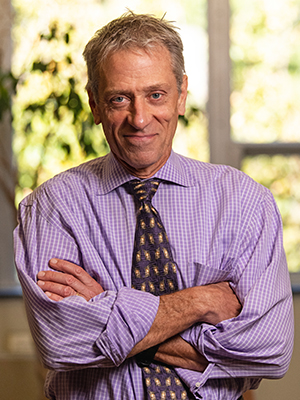
Ikenna Anugwom is an Associate Professor in Separation Science at the School of Engineering Sciences, Lappeenranta University of Technology (LUT), Finland. He earned his PhD from Åbo Akademi University in 2014 and has held postdoctoral positions at both Umeå University (Sweden) and LUT. His current research focuses on sustainable chemical engineering, green solvents, and biomass valorization.
- PhD, Åbo Akademi University (2014)
- Post-Doc Researcher, LUT (2017–present)
- Post-Doc Researcher, Umeå University (2014–2016)
Dr. Anugwom's research interests lie at the intersection of green chemistry and sustainable materials engineering. He specializes in switchable ionic liquids (SILs) and deep eutectic solvents (DES) for applications in biomass deconstruction, lignin valorization, membrane technology, and waste-to-resource conversion. His work supports the circular economy by transforming waste streams such as wool, textiles, and construction debris into high-value bio-based materials and chemicals.
His publication record over the past decade reveals a consistent focus on sustainable separation processes, biorefining, and functionalization of renewable polymers. Key trends include the development of eco-friendly solvents for wood and lignocellulosic fractionation, innovation in biocomposite materials using lignin, and the recycling of blended textiles for membrane fabrication. These efforts align with global sustainability goals in chemical engineering and environmental technology.
Dr. Anugwom actively contributes to the scientific community through peer review for journals including Chemical Engineering Research & Design, International Journal of Biological Macromolecules, and Journal of Environmental Chemical Engineering.
- Reviewer, Chemical Engineering Research & Design
- Reviewer, International Journal of Biological Macromolecules
- Reviewer, Journal of Environmental Chemical Engineering
- Reviewer, Sustainable Chemistry and Pharmacy
He has collaborated extensively with researchers across Europe, particularly in Finland and Sweden, and has been involved in multidisciplinary projects linking chemistry, materials science, and environmental engineering. While no formal advising or grant leadership is explicitly mentioned in the provided texts, his co-authorship on numerous impactful studies suggests active participation in funded research initiatives.
حوزههای پژوهشی