معرفی
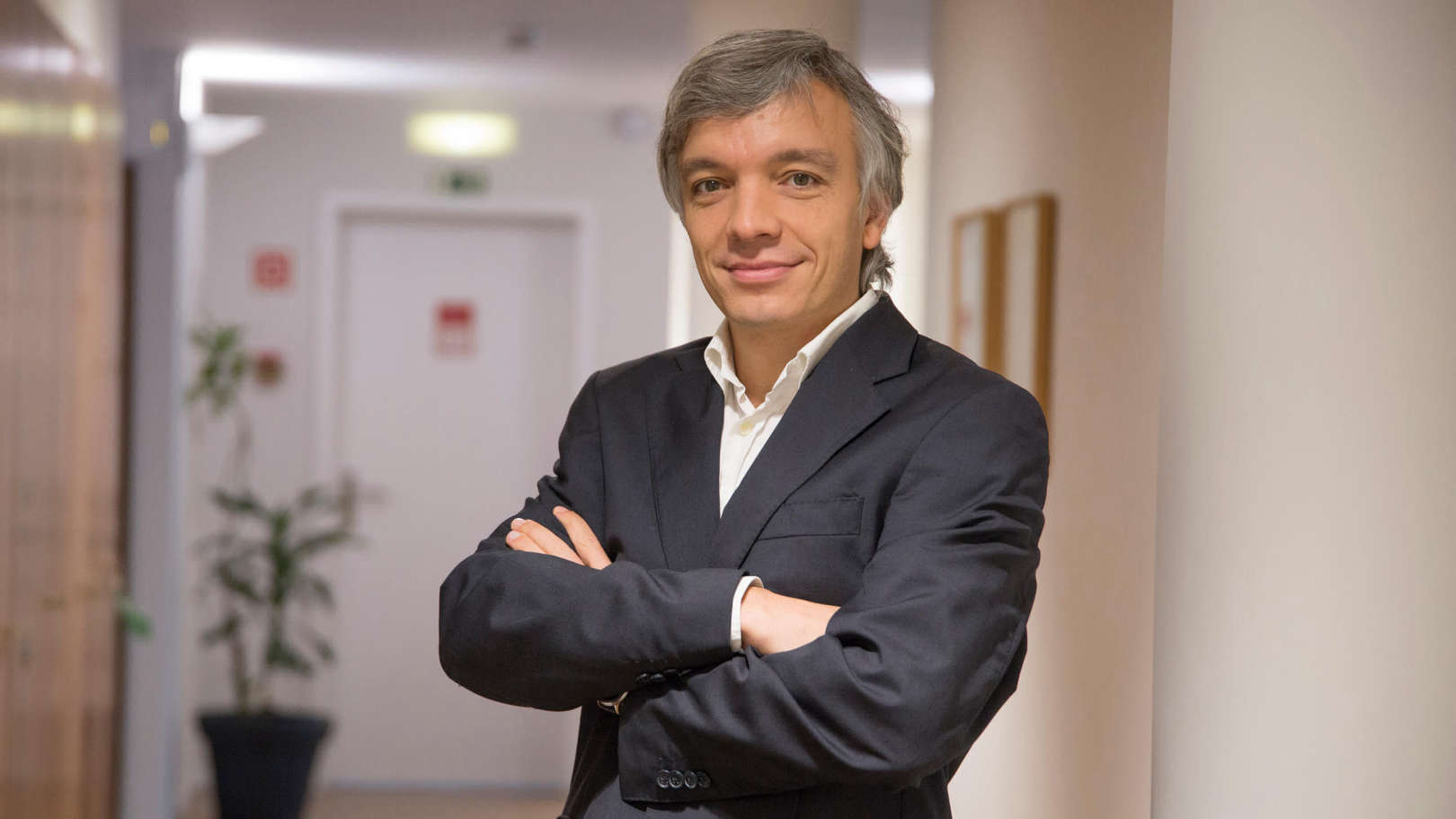
Hélio Mendonça serves as Assistant Professor at the Department of Electrotechnical and Computer Engineering within the Faculty of Engineering at the University of Porto (DEEC-FEUP), while also holding the position of Senior Researcher at INESC TEC since January 1, 1995. At INESC TEC, he coordinates activities at CRIIS (Center of Industrial Robotics and Intelligent Systems), where he participates in numerous scientific projects.
His educational background includes a PhD from the Faculty of Engineering of the University of Porto, awarded in February 2004 following the successful defense of his thesis titled "Dynamic Test of Analog / Digital Converters - New Methods of Calculation of Functional Characterization Parameters".
Mendonça's research spans multiple cutting-edge technological domains, with particular expertise in Industrial Robotics, Automation and Control Systems, Industrial Networks, Embedded Systems, Industry 4.0, and Internet of Things applications. His work demonstrates a strong interdisciplinary approach, bridging robotics, electronics, and agricultural technology.
His recent publications reveal a consistent focus on applying robotics and AI to precision agriculture, developing teleoperation systems using 5G technology, and innovating in digital electronics education through collaborative learning frameworks and remote laboratory setups. These works showcase his ability to connect theoretical research with practical applications across multiple industry sectors.
Mendonça actively supervises graduate students at the University of Porto, guiding research in areas such as AI-powered agricultural robotics, vision-based smart sprayers, edge AI for defect detection, and neural network optimization in embedded systems. His educational contributions extend to developing international collaborative frameworks like the DECEL project, which enhances digital electronics education through international student collaboration.
His laboratory work centers around the CRIIS research center at INESC TEC, where he leads projects involving industrial robotics systems, precision agricultural technologies, and educational infrastructure for remote digital electronics experimentation. These initiatives often involve cross-institutional collaboration with European partners through projects like DECEL.