معرفی
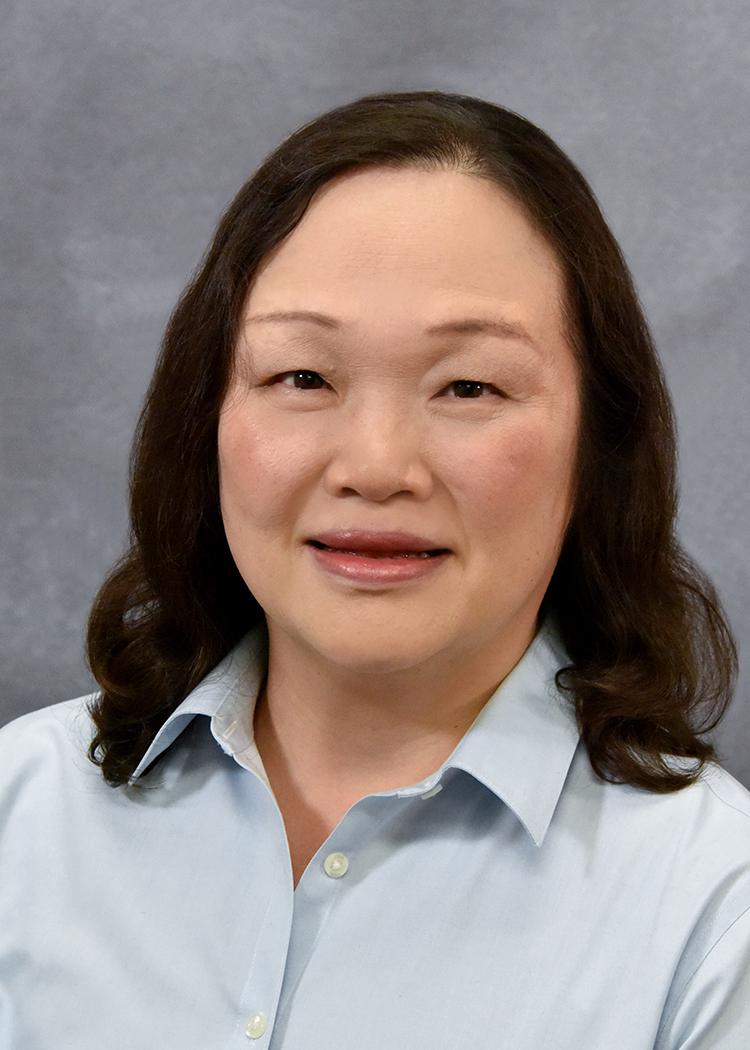
Hong Shi serves as Associate Professor in the Department of Medicine at Augusta University's Medical College of Georgia, specializing in Rheumatology. Board-certified in Internal Medicine (2018) and Rheumatology (2020) by the American Board of Internal Medicine, Dr. Shi currently contributes to institutional governance as a member of the Medical College of Georgia Admission Committee and Faculty Senate.
Educational background:
- MB in Medicine (Foreign Doctorate), Tongji University, 1995
Certifications:
- Internal Medicine, ABIM, 2018
- Rheumatology, ABIM, 2020
- PHY, GA Professional Licensing BRD, 2020
Dr. Shi's research centers on autoimmune rheumatic disorders with primary focus on Lupus and Antiphospholipid Syndrome. His laboratory investigations extend into vascular pathophysiology and metabolic dysregulation, examining molecular mechanisms linking liver function to aneurysm formation, exercise interventions for age-related cardiac decline, and epigenetic regulation of obesity through HDAC9 pathways in aging models.
Analysis of Dr. Shi's 2023-2024 publications reveals convergent themes at the intersection of rheumatology, vascular biology, and metabolism. Key research trajectories include soluble epoxide hydrolase in vascular inflammation, multiomics approaches to bypass graft failure, combinatorial exercise therapies for cardiac aging, and thermoregulatory impacts on adipose tissue differentiation - predominantly utilizing transgenic murine models of metabolic disease.
Professional recognition:
- Career Development Scholar Program, Augusta University, 2021
Dr. Shi actively contributes to academic service as Chair of the Division of Rheumatology Annual Program Review and Fellowship Selection Committee, while serving on the American College of Rheumatology Early Career Investigator Committee. He regularly provides peer review for Biomedicines, Frontiers in Cardiovascular Medicine, Healthcare, and International Journal of Molecular Sciences. No explicit details regarding student mentoring or research funding were provided in available materials.
Current institutional affiliations include the Medical College of Georgia Rheumatology division with no specific laboratory or research team details documented in source materials.