معرفی
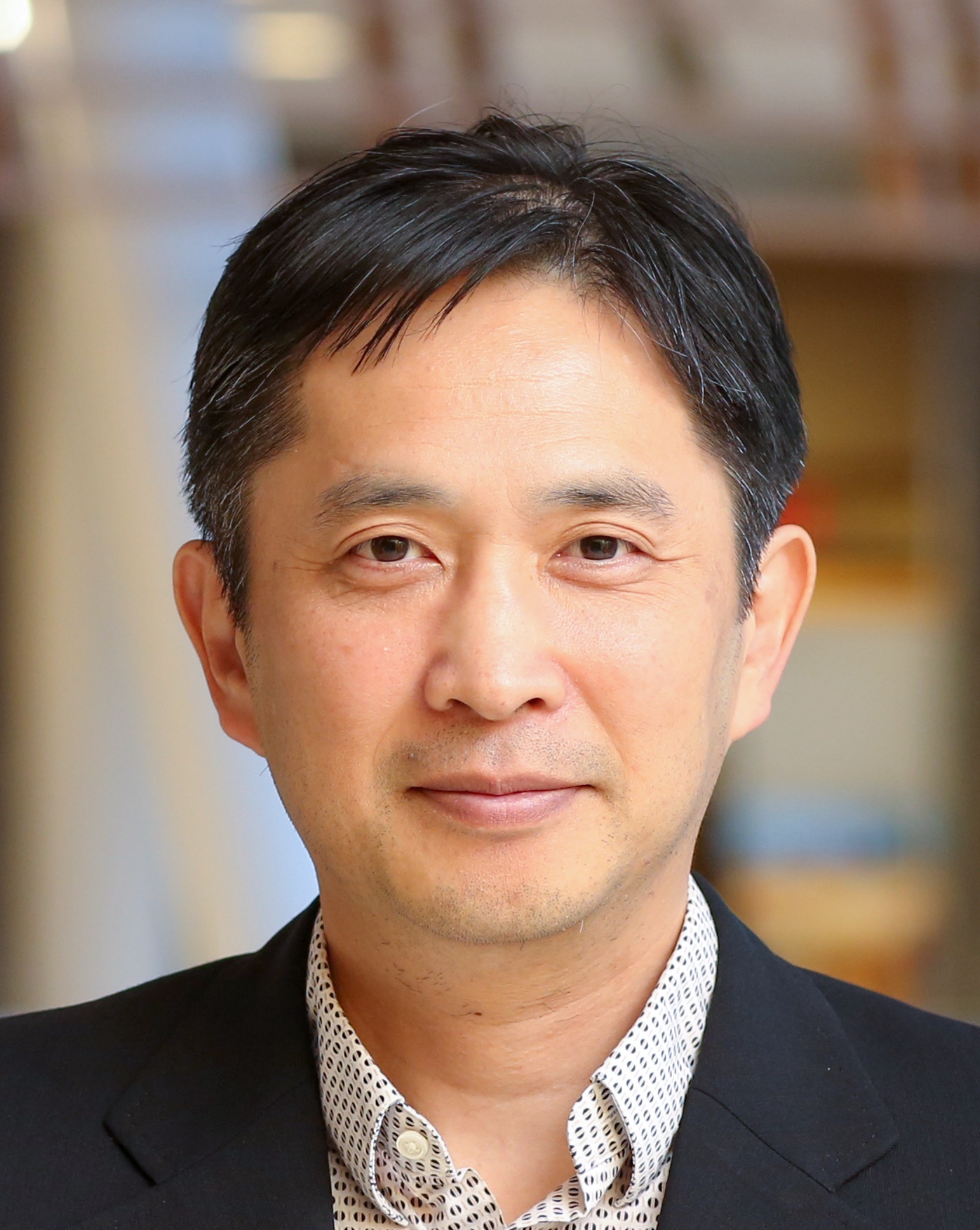
Hironori Funabiki is a Professor and Head of Laboratory at The Rockefeller University, affiliated with the Tri-Institutional Graduate Program in collaboration with Weill Cornell Medicine and Memorial Sloan Kettering Institute. His research is centered in the Laboratory of Chromosome and Cell Biology, where he investigates the molecular mechanisms of chromosome segregation, chromatin dynamics, and epigenetic regulation during mitosis.
Education:
- B.S. in Chemistry, Faculty of Science, Kyoto University (1990)
- Ph.D. in Biophysics, Graduate School of Science, Kyoto University (1995)
- Postdoctoral Training: Kyoto University (1995–1996), University of California, San Francisco (1996–2000), Harvard University (2000–2002)
His research interests include chromosome segregation, mitotic regulation, epigenetics, DNA methylation, nucleosome remodeling, and genome integrity. He employs the Xenopus egg extract system to dissect the biochemical and structural basis of chromatin-directed mitotic events, focusing on complexes such as the Chromosomal Passenger Complex (CPC) and the CDCA7-HELLS nucleosome remodeling complex. His work bridges cell biology, structural biology, and evolutionary genomics.
The recent publications reflect a strong trend in understanding how chromatin structure regulates cellular signaling, particularly in mitosis and innate immunity. Themes include the structural basis of cGAS inhibition by nucleosomes, the role of CDCA7 as a hemimethylated DNA sensor, and the coevolution of DNA methylation machinery. His lab integrates biochemical, biophysical, and evolutionary approaches to uncover conserved mechanisms in genome maintenance.
Scientific Awards and Honors:
- Searle Scholar (2002)
- Sinsheimer Fund Scholar (2003)
- NIH NIGMS Maximizing Investigators' Research Award (2019)
- Leukemia & Lymphoma Society Special Fellow (1999)
- The Irma T. Hirschl/Monique Weill-Caulier Trust Research Award (2003)
Funabiki has led an independent research program since 2002, progressing from Tri-institutional Assistant Professor to full Professor in 2014. His lab has secured significant funding, including NIH grants and institutional support, enabling high-impact research. He mentors graduate students and postdoctoral fellows through the Tri-Institutional PhD Program. His research team operates at the intersection of chromosome biology and epigenetics, utilizing advanced techniques in biochemistry, structural biology, and functional genomics to explore fundamental questions in cell division and genome regulation.