معرفی
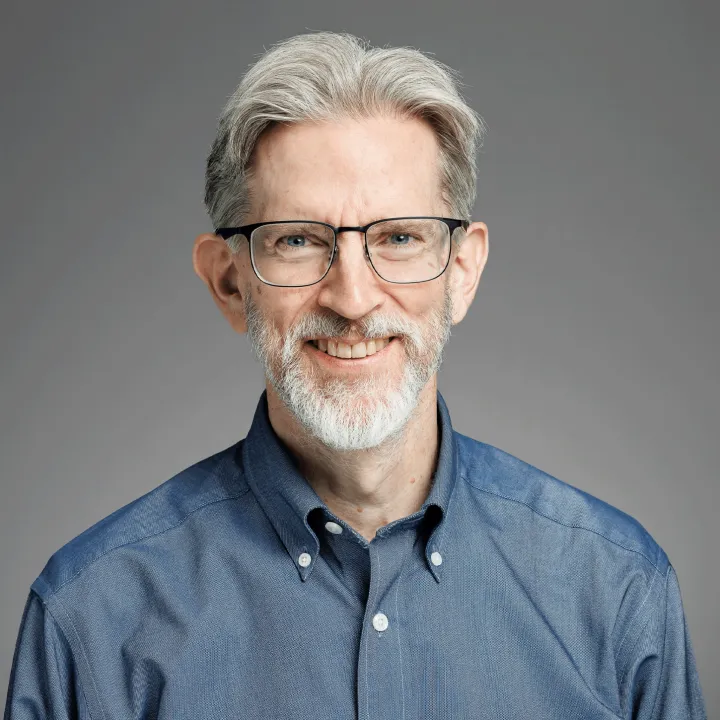
Dr. Hemant D. Tagare serves as Professor of Radiology and Biomedical Imaging and of Biomedical Engineering at Yale School of Medicine. He maintains a primary appointment in Radiology & Biomedical Imaging and secondary appointment in Statistics, with extensive affiliations across Yale's research ecosystem including the Bioimaging Sciences Center, Center for Brain & Mind Health, Computational Biology and Biomedical Informatics, Image Processing & Analysis Group, and Yale Biomedical Imaging Institute.
With a PhD from Rice University (1989), Dr. Tagare's research program addresses fundamental challenges in biomedical image analysis across four core areas: image segmentation (particularly cardiac ultrasound and brain MRI), non-rigid registration (developing axiomatic frameworks for brain deformation analysis), 3D protein structure reconstruction from Cryogenic Electron Microscopy, and shape theory (exploring topology and geometry of affine shape spaces). His work integrates machine learning and advanced numerical optimization techniques to develop innovative methodologies that advance medical imaging capabilities.
Dr. Tagare's recent publications demonstrate continued productivity in cryo-EM particle picking consensus methods, MRI standardization techniques, perfusion measurement in vascular disease, and parameter mapping algorithms. His research program, supported by NIH funding, consistently bridges theoretical developments with practical clinical applications across biomedical imaging domains.
Honors:
- Best poster award for "Tunnelling Descent: A New Algorithm for Active Contour Segmentation of Ultrasound Images" (2003)
- Francois Erbsmann Award (Honorable Mention) for outstanding paper in medical image processing (1993)
- National Science Talent Search Scholarship from Government of India (1977)
Dr. Tagare maintains active collaborations with Yale researchers including Gigi Galiana, Dana Peters, Mark Gerstein, Pradeep Uchil, Todd Constable, and Walther Mothes. His work spans computational biology, medical physics, and clinical applications, demonstrating the interdisciplinary nature of modern biomedical imaging research that bridges engineering principles with clinical medicine.