معرفی
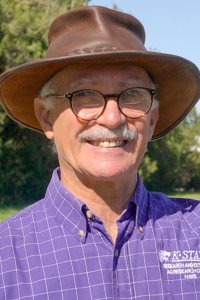
Helmut F Van Emden is a Professor at the University of Reading’s School of Agriculture, Policy and Development, Department of Crop Science. His research focuses on entomology, pest management, and biological control, with a particular emphasis on aphids and their interactions with plants and parasitoids. He has authored/co-authored over 60 publications and edited seminal volumes such as Aphids as Crop Pests (2nd ed., 2017) and Statistics for Terrified Biologists (2013). His work explores plant resistance mechanisms, sustainable pest control strategies, and the development of artificial diets for aphid research. Recent contributions include studies on superadditivity in pest management (2025), conservation biological control (2022), and novel bacterial-based pest solutions (2022).
Education & Collaborations: Van Emden’s academic journey includes collaborations with global researchers like J.A. Pickett and M.A. Birkett. His research spans tropical pest management (e.g., banana weevil studies in Ghana) and laboratory techniques (e.g., aphid diet development). He also contributed to historical entomological studies, including a tribute to Fritz Isidore van Emden (2017).
Research Trends: His articles highlight themes like integrated pest management (IPM), chemical ecology (pheromone/kairomone identification), and statistical methods in biological research. He advocates for sustainable practices that minimize environmental impact while enhancing crop protection.
Advising & Grants: While specific grants are not listed, his extensive publication record indicates sustained funding for collaborative projects. His work often addresses applied challenges in both temperate and tropical agricultural systems. He has also mentored researchers in Ghana and other regions through field studies and co-authorships.
Labs/Teams: His research integrates with interdisciplinary teams at the University of Reading and international partners, focusing on applied entomology and agricultural sustainability. Key labs include those studying plant-insect interactions and biological control agents.