معرفی
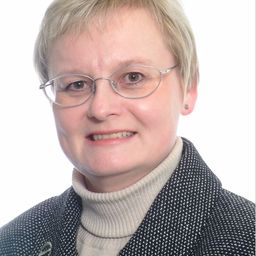
Helen Kästik is a Lecturer at the University of Tartu, Faculty of Arts and Humanities, Department of Estonian and Comparative Folklore. She has been a contractual lecturer since 2011 and serves as Managing Editor of the Journal of Ethnology and Folkloristics since 2015. Her roles have included project coordination and management in cultural research at partial workloads, reflecting sustained engagement with academic administration and research infrastructure.
- Master’s Degree in Folkloristics, University of Tartu (2010, cum laude)
- Doctoral Studies in Cultural Studies and Arts, University of Tartu (2010–present)
- Bachelor’s Degree in Estonian and Comparative Folklore, University of Tartu (2007)
- German Language Studies, Bremer Volkshochschule (2000)
- Secondary Education, Rakvere Gymnasium (1999)
Helen Kästik's research centers on ethnology, folklore, and cultural heritage, with a particular focus on Estonian regilaul (runic song), material culture, and community-based heritage practices. Her work explores how traditions are embodied, represented, and reinterpreted in contemporary contexts. She investigates the interplay between official heritage policies and grassroots cultural expressions, emphasizing participatory and inclusive approaches.
Her recent publications, primarily as editor of the Journal of Ethnology and Folkloristics and contributions to Studia Vernacula, reflect a consistent thematic focus on narrative, belief, materiality, and cultural representation. These works highlight interdisciplinary trends in folklore studies, integrating ethnographic, historical, and theoretical perspectives. The editorial nature of many outputs underscores her role in shaping scholarly discourse in the field.
Helen Kästik has not received publicly listed scientific awards in the provided text.
She has been actively involved in research projects funded by the Estonian Research Council and the Ministry of Culture, including large-scale initiatives on vernacular interpretations of uncertainty and cultural heritage as a socio-cultural resource. She has served on doctoral program councils and faculty boards, contributing to academic governance. Her collaborative work with scholars like Kristin Kuutma and Ülo Valk demonstrates strong integration into Estonia’s academic folklore network.
She is affiliated with several academic organizations, including the Academic Society of Folklore, Nefa Tartu, and has participated in the Graduate School of Culture Studies and Arts and the Centre of Excellence in Cultural Theory.