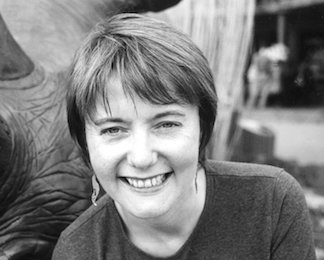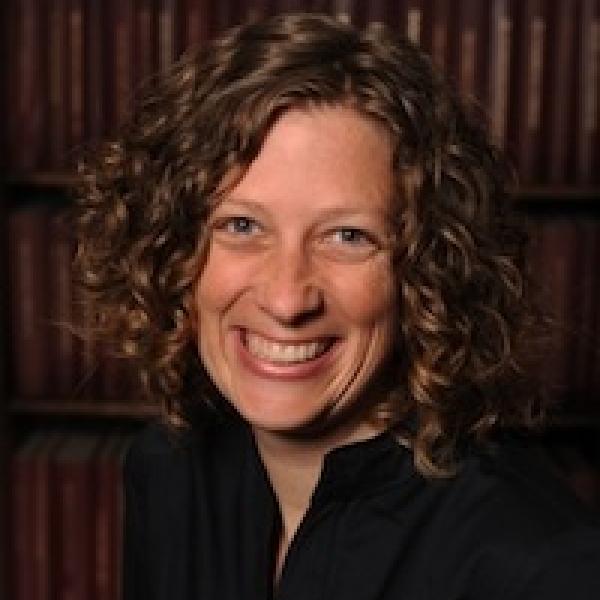
Heather Keenleyside
دانشیار · Eighteenth-Century British Literature
University of Chicagoمعرفی
Heather Keenleyside is an Associate Professor in the Department of English at the University of Chicago, where she has taught since 2008 after earning her Ph.D. from the same institution. Her research critically examines eighteenth-century British literature through interdisciplinary lenses including animal studies, philosophy, and intellectual history, with particular focus on literary forms of knowledge and their contemporary relevance.
Education:
- Ph.D., University of Chicago, 2008
Her scholarly work investigates how eighteenth-century literary modes—such as personification, beast fables, and narrative structures—mediate understandings of animal life and conceptual history. She bridges historical analysis with modern theoretical concerns in multispecies studies, demonstrating how texts from this period challenge and inform current debates about nonhuman agency, abstract ideas, and the materiality of thought. Her research consistently reveals the enduring strangeness and familiarity of eighteenth-century intellectual frameworks.
Publications across books and articles reveal a cohesive trajectory exploring intersections of literature, philosophy, and animal studies. Key works like Animals and Other People (2016) and articles on Lovejoy's history of ideas, personification in Thomson's The Seasons, and Locke/Sterne's autobiographical frameworks demonstrate methodological rigor in connecting historical textual practices to contemporary theoretical questions about conceptual movement and nonhuman life.
Scientific Awards:
- Shortlisted for the 2017 Kensur Prize for the best book in eighteenth-century studies
- 2015 Mark Ashin Fellowship for Excellence in College Teaching
- 2016 Faculty Award for Excellence in Graduate Teaching and Mentoring
Professor Keenleyside is renowned for transformative teaching across undergraduate and graduate levels, evidenced by dual teaching awards recognizing both classroom innovation and graduate mentorship excellence. Her courses—from Girlhood to The Lives of Animals—demonstrate commitment to fostering student engagement with historical texts as living challenges to contemporary frameworks. While specific grant details aren't public, her sustained research output indicates robust institutional support for interdisciplinary work.
She actively participates in the University of Chicago's English Research Labs ecosystem, collaborating with scholars in animal studies, intellectual history, and critical theory communities. Her current project on the literary history of ideas exemplifies her role in bridging disciplinary divides, creating conceptual spaces where eighteenth-century textual practices inform modern debates about how ideas materialize and circulate in cultural ecosystems.

.jpg)