معرفی
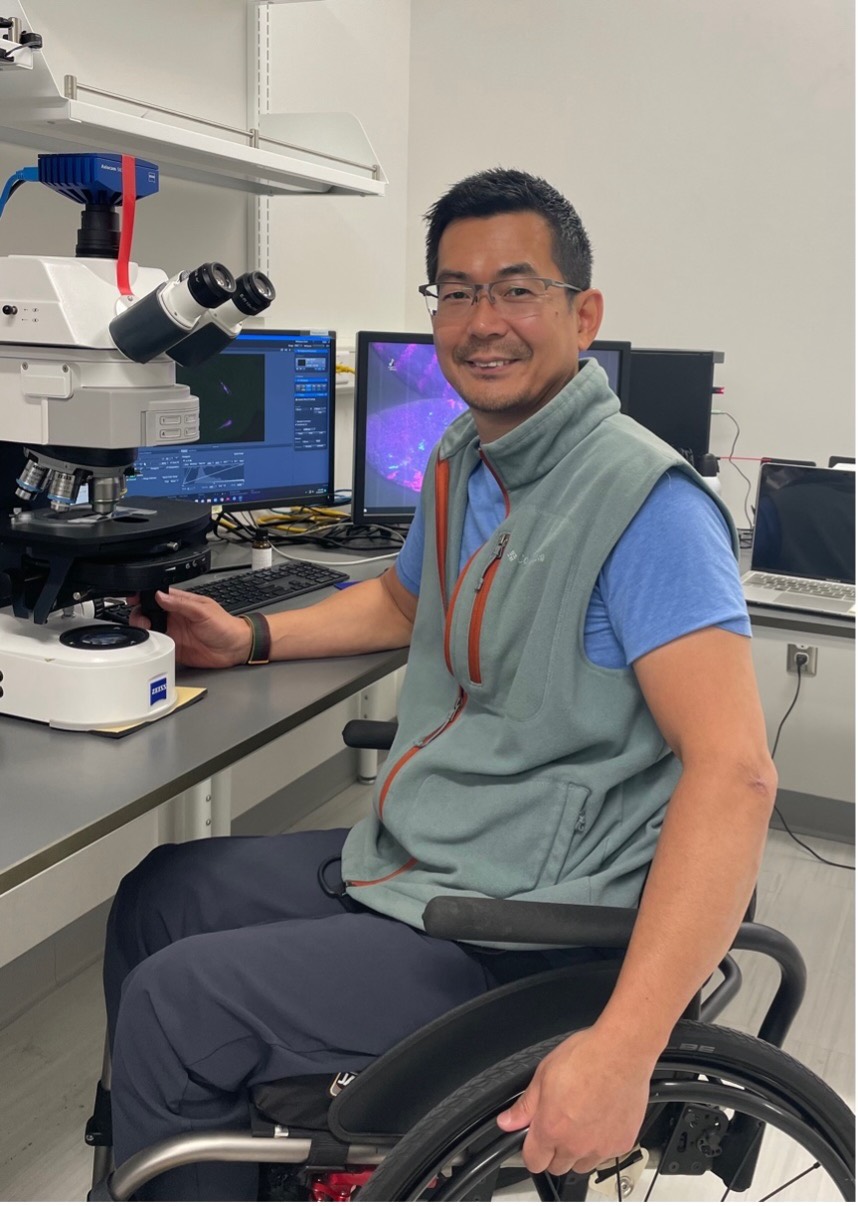
Heather Bruce serves as an Assistant Professor in the Department of Zoology within the Faculty of Science at the University of British Columbia. Her research focuses on evolutionary developmental biology using diverse arthropod models to investigate the genetic basis of morphological innovation.
Education
- Associate of Arts, Yavapai Community College (2006)
- Bachelor of Science in Molecular & Cell Biology, University of Arizona (2010)
- Ph.D. in Molecular & Cellular Biology, University of California, Berkeley (2017)
Research Interests
Dr. Bruce employs molecular, morphological, and embryological approaches on crustaceans (Parhyale), beetles (Tribolium), millipedes (Oxidus), and other arthropods to study appendage evolution. Her groundbreaking work challenges conventional views on novel structures by proposing that features like insect wings evolve from cryptic ancestral structures persisting in other lineages. This "cryptic persistence" hypothesis suggests deep evolutionary roots for morphological innovations, potentially reshaping understanding of how genetic networks produce diversity over 500 million years.
Advising and Research Support
Dr. Bruce mentors graduate students and researchers in her laboratory, with current member A. Weber. Her research is supported by competitive grants enabling advanced genomic and imaging techniques, though specific funding sources aren't detailed in the provided text. She actively contributes to academic discourse through publications and conference participation.
Research Laboratory
The Bruce Lab (https://ArthropodLegs.com/) utilizes CRISPR-Cas9, RNAi, and comparative embryology to dissect genetic networks underlying arthropod appendage development. Current projects focus on evolutionary origins of legs, wings, and gills across diverse taxa including horseshoe crabs, tarantulas, and sea spiders.