معرفی
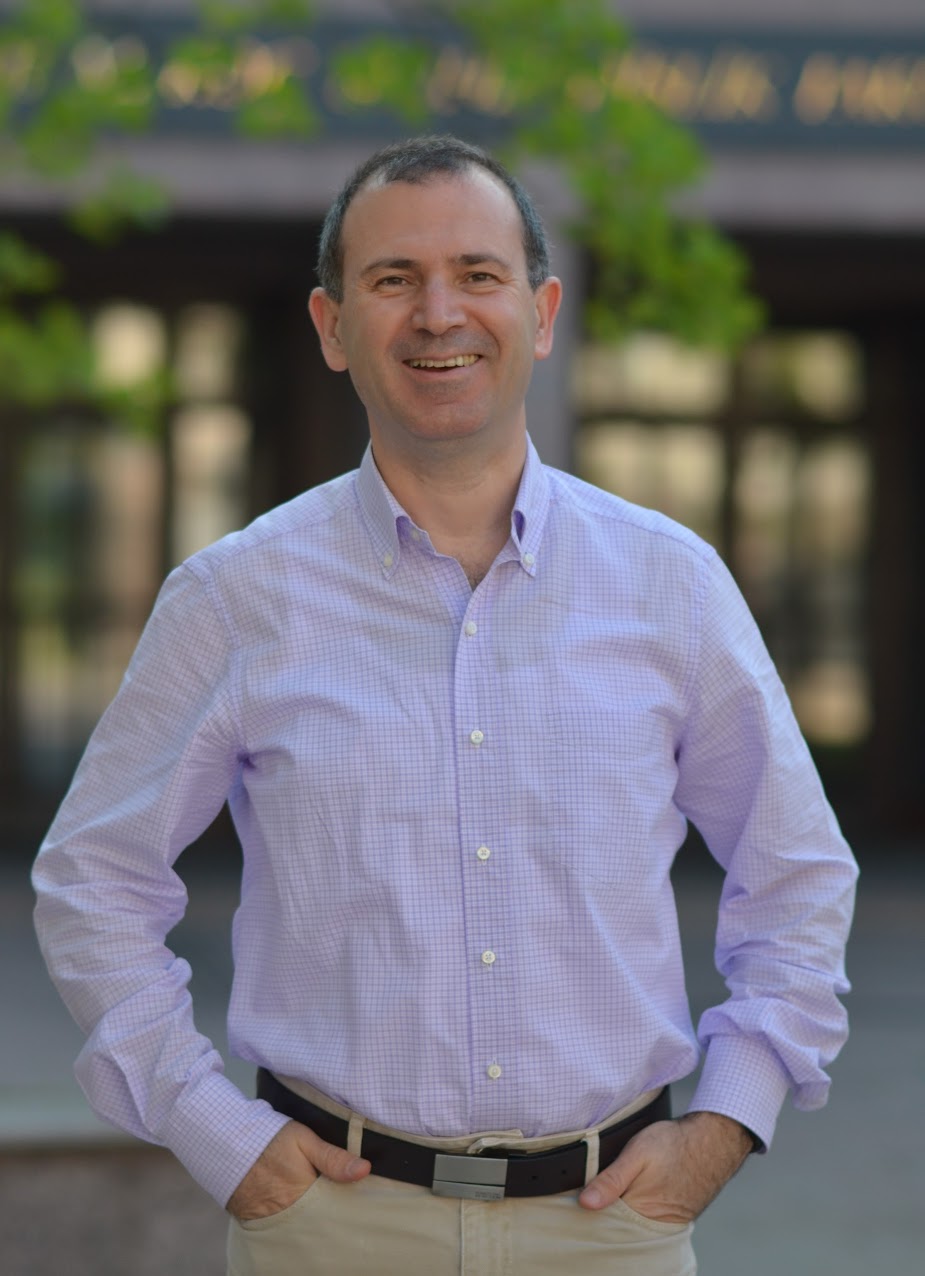
Hatice Köse is a Professor at Istanbul Technical University in the Department of Artificial Intelligence and Data Engineering within the College of Computer and Informatics. She holds a PhD in Computer Engineering from Boğaziçi University and has been a key figure in advancing AI applications for human-centered technologies, particularly in assistive robotics and human-computer interaction.
- PhD in Computer Engineering, Boğaziçi University (2000–2007)
- MSc in Computer Engineering, Boğaziçi University (1997–2000)
- BSc in Computer Engineering, Boğaziçi University (1993–1997)
Her research focuses on Artificial Intelligence, Human-Robot Interaction, and Assistive Technologies, with a strong emphasis on applications for children with autism and hearing impairments. She explores affective computing, emotion recognition using facial and physiological signals, and multimodal interaction frameworks. Her work integrates deep learning, signal processing, and robotics to develop inclusive technologies.
Recent publications highlight trends in lightweight AI models for edge devices, gaze and emotion detection in children, and explainable machine learning in medical diagnosis. Her articles span top venues in AI, robotics, and multimodal interaction, reflecting a consistent focus on socially beneficial AI systems.
- EELISA Project Diversity Reward (2023)
- Best Paper Award, INISTA 2020
- İTÜARI Teknokent Graduation Design Project Competition (2016)
- Necdet Eraslan Project Competition Honorable Mention (2011)
Professor Köse has led numerous research projects funded by TÜBİTAK, EU, and university programs, including initiatives on AI-enabled manufacturing, teaching technologies to children with neurodevelopmental disorders, and sensor-based digital biomarkers for early detection. She has supervised multiple graduate students and research assistants, contributing to the development of next-generation AI researchers. She has also held administrative leadership roles such as Department Head and Education Coordinator.
She is actively involved in research labs and teams focusing on socially assistive robotics, affective computing, and AI for accessibility, fostering interdisciplinary collaboration across computer science, psychology, and education.
حوزههای پژوهشی