معرفی
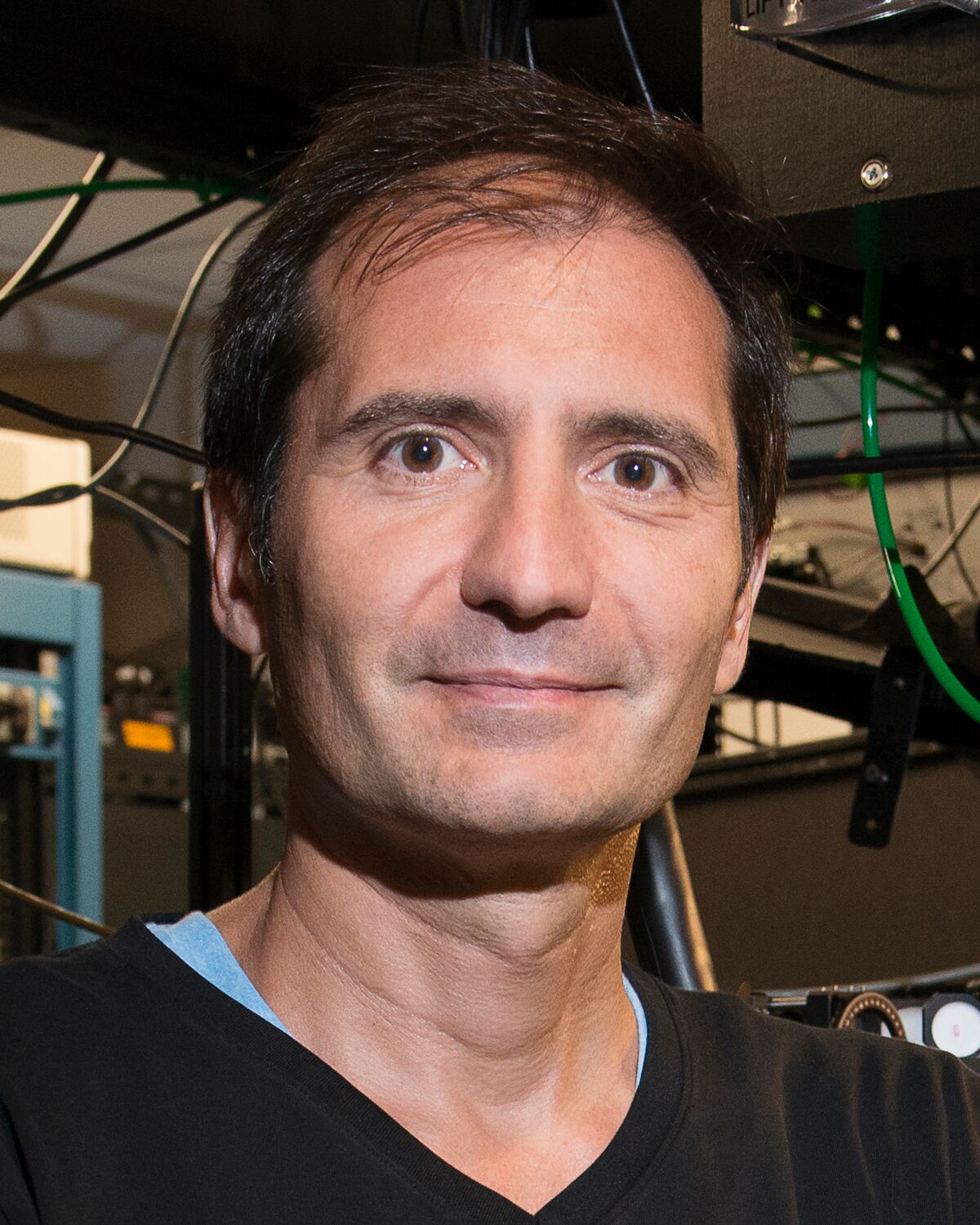
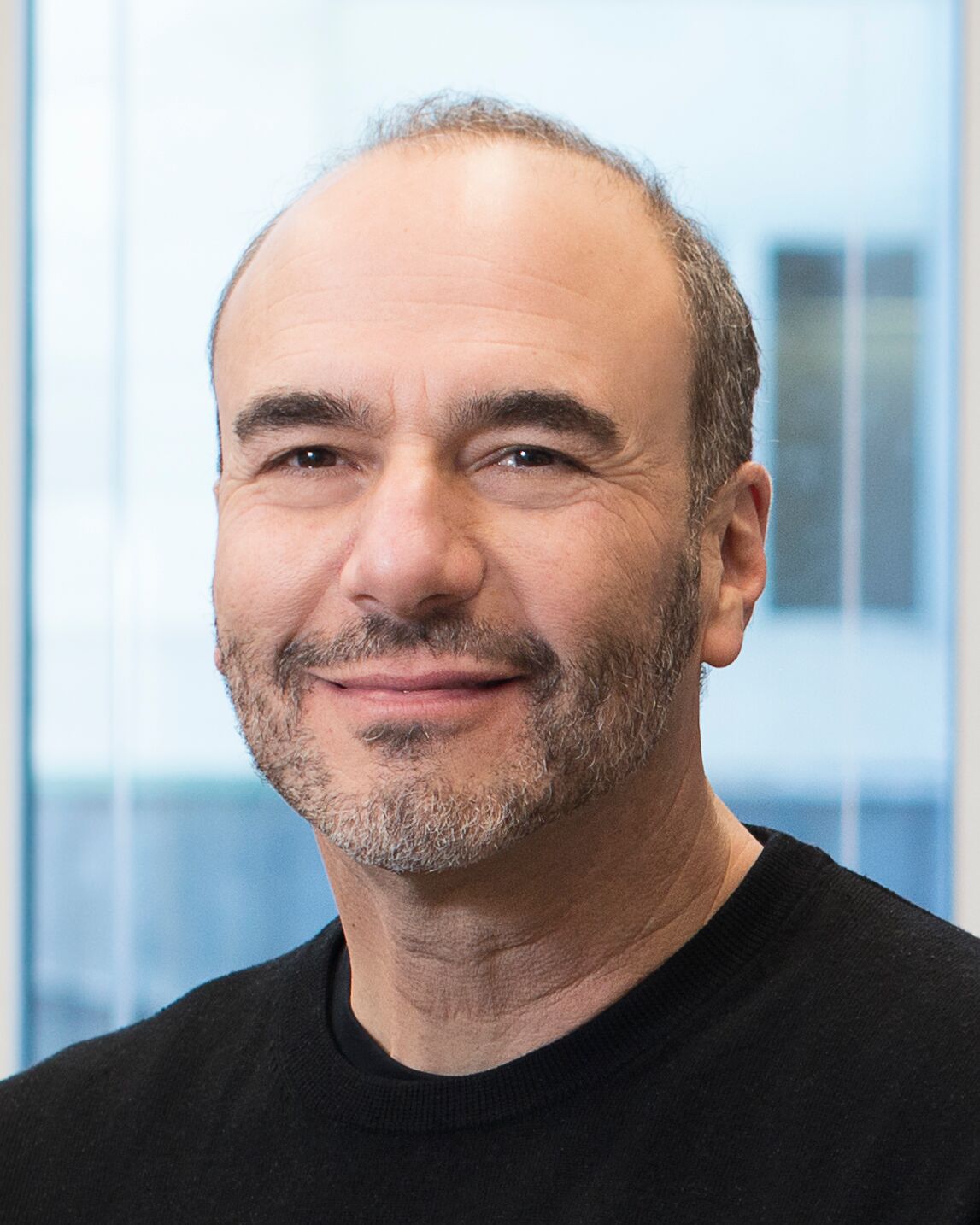
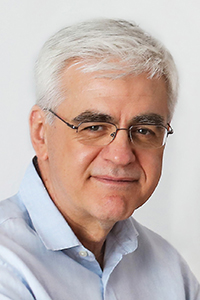
Hans Tutschku serves as the Fanny P. Mason Professor of Music and Director of the Harvard University Studio for Electroacoustic Composition (HUSEAC) within Harvard University's Faculty of Arts and Sciences Music Department. Since joining the faculty in 2004, he has overseen the complete renovation of HUSEAC studios and pioneered the development of HYDRA, a groundbreaking 40-loudspeaker diffusion system deployed across campus and Boston concert venues.
His academic foundation includes:
- Electroacoustic composition studies in Dresden
- Apprenticeship with Karlheinz Stockhausen on sound diffusion techniques during 1989-1991 concert tours
- International sonology course at Royal Conservatory The Hague (1991)
- Advanced studies at IRCAM Paris (1994)
- Composition workshops with Klaus Huber and Brian Ferneyhough (1995)
- DEA in Musicology from Sorbonne University
- PhD in Composition under Jonty Harrison at University of Birmingham (2003)
Tutschku's research centers on real-time electronic manipulation and spatial audio, with sound diffusion serving as his primary technical innovation. His creative practice spans electroacoustic compositions for film, theatre, and ballet alongside immersive sound installations and interactive sculptures. As founder of Ensemble für Intuitive Musik Weimar, he has performed in over 30 countries while integrating choreography and visual projections into multimedia productions. His influential workshops on live-electronics improvisation have shaped contemporary performance practice globally.
His exceptional contributions are recognized by prestigious awards:
- Multiple first prizes at Bourges Competition
- Hanns-Eisler-Preis for compositional excellence
- CIMESP Sao Paulo International Electroacoustic Prize
- Prix Ars Electronica Golden Nica nomination
- Prix Musica Nova and Prix Noroit distinctions
- Weimar Culture Prize (2005)
- Radcliffe Institute Fellowship (2013)
- Japan-U.S. Friendship Commission Research Stipend (2014)
As an educator, Tutschku mentors students through Harvard's electroacoustic program while directing HUSEAC's technical evolution. His research funding includes competitive fellowships from Radcliffe Institute and Japan-U.S. Commission supporting cross-cultural sound exploration. The Ensemble für Intuitive Musik Weimar remains his primary artistic vehicle, continuously developing new performance methodologies that merge algorithmic composition with embodied improvisation across international collaborations.