معرفی
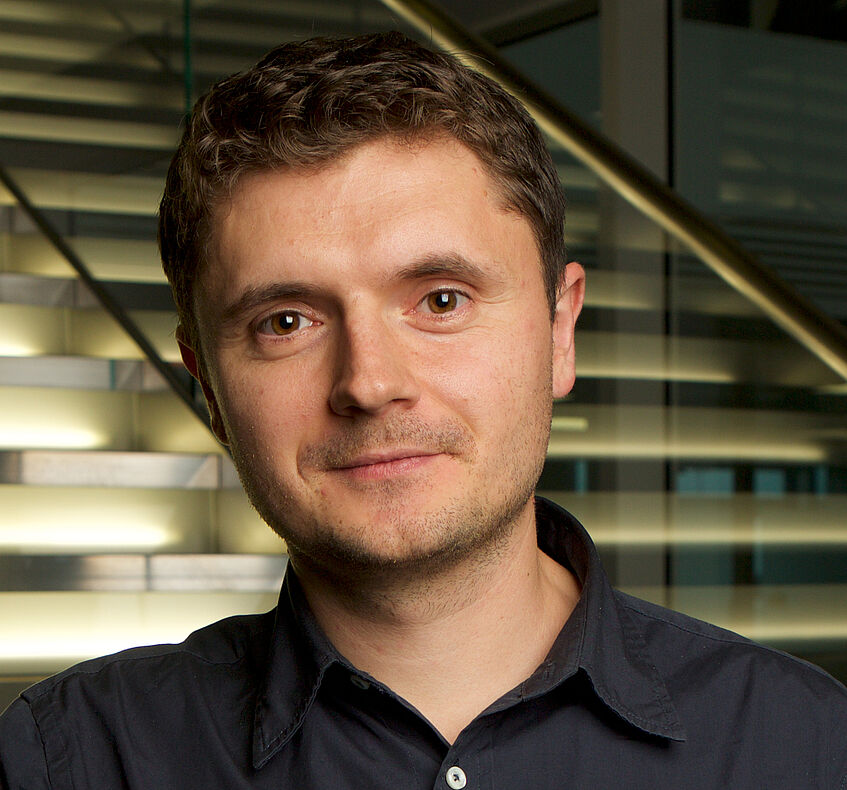
Hadi Daneshmand is an Assistant Professor of Computer Science at the University of Virginia, specializing in theoretical machine learning. Prior to joining UVA, he completed postdoctoral research at FODSI (jointly hosted by MIT and Boston University), Princeton University, and INRIA Paris following his 2020 PhD in Computer Science from ETH Zurich.
Education
- Ph.D. in Computer Science, ETH Zurich, 2020
His research bridges computational perspectives and neural network theory, focusing on theoretical guarantees for deep learning systems. Key interests include understanding neural network mechanisms through optimization frameworks, foundations of machine learning, and stochastic processes in learning systems. His work reveals how neural networks implement computational primitives like gradient descent and optimal transport through architectural components.
Recent publications demonstrate a cohesive trajectory analyzing transformers' computational capabilities, batch normalization's theoretical properties, and optimization dynamics in deep learning. His studies consistently establish formal connections between neural architectures and classical optimization methods, particularly in in-context learning scenarios.
Scientific Awards
- Stanford CPAL Rising Star Award
- Spotlight award at ICML In-context Learning workshop (2024)
- Postdoc fellowship of the Foundation of Data Science Institute (FODSI)
- Early Postdoc Mobility grant from SNSF
- Best poster award at Max Planck ETH deep learning workshop (2016)
- Reviewer awards for ICML (2022, 2019) and NeurIPS (2020)
Dr. Daneshmand actively mentors graduate students, with advisees including PhD candidates at ETH Zurich who have secured positions at Harvard, Yale, Meta, and NVIDIA. His research is supported by competitive grants including the SNSF Early Postdoc Mobility award and FODSI fellowship. He serves the community as Area Chair for NeurIPS 2023-2024 and ICML 2025, and regularly reviews for top machine learning conferences and journals.
He teaches specialized courses including "Neural Networks: A Theory Lab" at UVA, emphasizing experimental-theoretical connections in neural computation through hands-on coding exercises.