معرفی
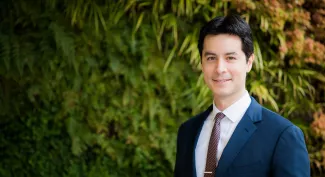
Gunnar Kratz is a Professor at Linköping University, affiliated with the Department of Biomedical and Clinical Sciences (BKV) and the Division of Surgery, Orthopedics and Oncology (KOO). He is part of the Wallenberg Centre for Molecular Medicine (WCMM), focusing on medicine-technology interfaces in medical technology, materials science, and bioengineering. His research spans plastic and reconstructive surgery, wound healing mechanisms, antimicrobial treatments, and tissue engineering. Key areas include gender-affirming surgical techniques, cell transplantation using biodegradable scaffolds, and the role of amniotic fluid in keratinocyte behavior. Kratz has contributed to studies on hyaluronic acid's effects on wound healing, novel antimicrobial debridement methods, and ex vivo/in vivo wound models. His work bridges clinical surgery with advanced biomaterials and regenerative medicine.
Research interests prominently feature interdisciplinary collaboration, with a focus on translating lab innovations into clinical applications. He has published extensively on topics like gelatin microcarrier-based cell delivery systems, CFSE tracking of transplanted cells, and the analysis of human fibroblast/keratinocyte secreted factors. Kratz’s affiliations include the WCMM at LiU and BKV’s Faculty of Medicine and Health Sciences, emphasizing both clinical and basic research.
Notable contributions include a 2019 retrospective study comparing metoidioplasty and phalloplasty outcomes in female-to-male gender-confirming surgery. His 2021 work on autologous cell transplantation via porous gelatin microcarriers highlights advancements in wound healing strategies. Recent studies (2023-2024) explore biphasic bioinks, amino acid-buffered hypochlorite for infected burn wounds, and the role of amniotic fluid in keratinocyte gene expression.
Labs/Teams: Active in WCMM’s molecular medicine initiatives and the BKV division’s surgical oncology and orthopedics research programs. Collaborations emphasize bioengineering solutions for clinical challenges in reconstructive surgery and chronic wound management.