معرفی
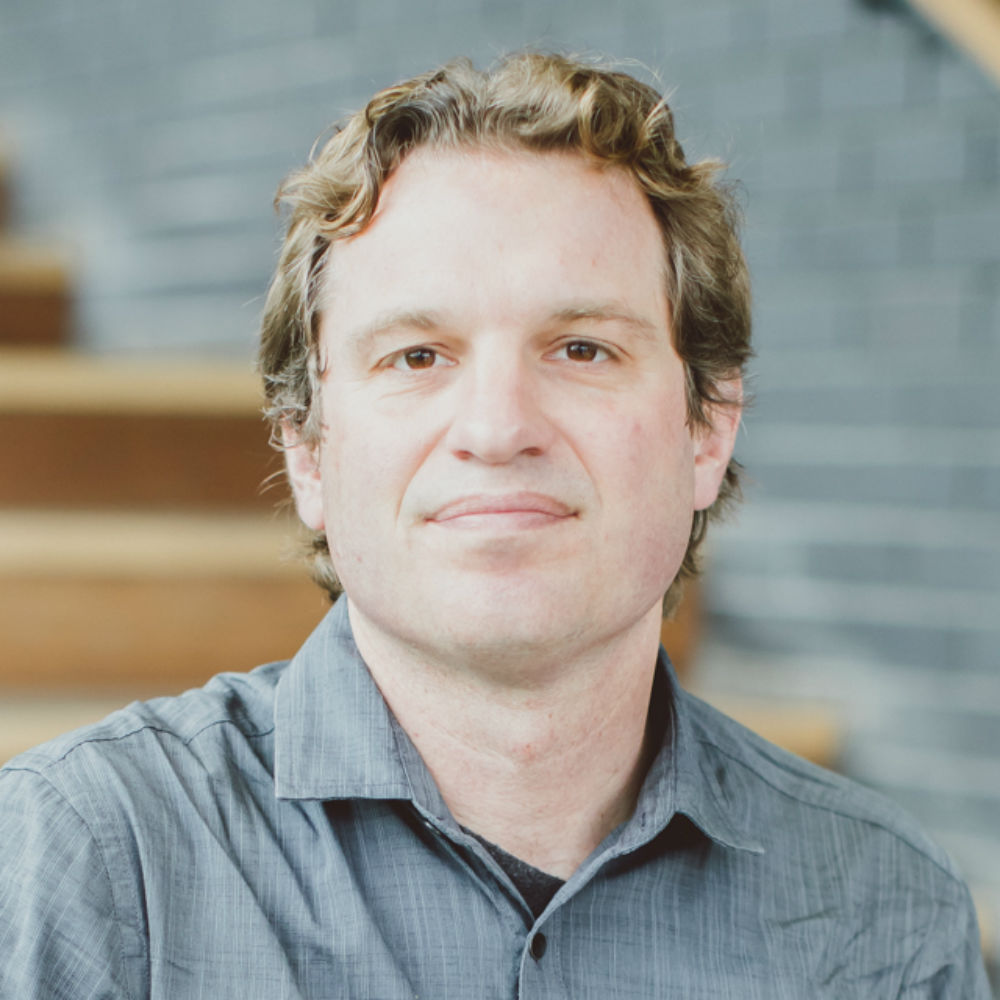
Dr Graham Harrison serves as Associate Professor of International Political Economy in Durham University's School of Government and International Affairs, joining the institution in 2019 after establishing a distinguished 25-year academic career focused on African political economy and development. His research critically examines neoliberal governance structures, democratic transitions, and the representation of Africa in Western public discourse through extensive fieldwork across Mozambique, Tanzania, Uganda, and Rwanda.
Education:
- PhD (1999) specializing in democratisation processes in rural Mozambique
Harrison's research trajectory reveals evolving yet interconnected themes: early work analyzed grassroots democratisation in Mozambique (The Politics of Democratisation in Rural Mozambique, 2000), followed by critical examinations of World Bank interventions (The World Bank and Africa, 2004; Neoliberal Africa, 2010). His mid-career shifted to cultural analysis of Africa's representation in British identity (The African Presence, 2013), while recent scholarship investigates normative tensions in Rwandan development models. His teaching emphasizes global political economy, post-colonial states, and the political economy of poverty.
Analysis of his 2016-2019 publications demonstrates sustained critique of authoritarian neoliberalism's impact on African capitalist transformation, alongside investigations into UK development policy under austerity and Rwanda's contested developmental state model. These works consistently challenge technocratic development paradigms by foregrounding political power dynamics and historical context.
Scientific Awards:
- No specific awards or fellowships documented in available materials
While the text confirms Harrison's 25 years of lecturing experience and development of new teaching modules at Durham, it provides no explicit details regarding doctoral students or grant funding. His extensive multi-country fieldwork, however, strongly indicates successful research project leadership and funding acquisition throughout his career.
No laboratories, research centers, or collaborative teams are referenced in the provided institutional profile.