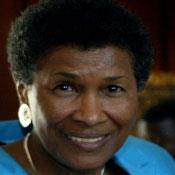
معرفی
Gloria Wade-Gayles, Ph.D., serves as Professor of Comparative Women's Studies at Spelman College, where she has been a faculty member since 1983. She additionally holds leadership roles as faculty mentor for Spelman's Independent Scholars program and founding director of both the SIS Oral History Project and RESONANCE choral performance group.
Her academic credentials include:
- B.A. in English from LeMoyne College
- M.A. in American Literature from Boston University (Woodrow Wilson Fellow)
- Ph.D. in American Studies from Emory University
Dr. Wade-Gayles' research centers on African American women's lived experiences through literary analysis, spiritual traditions, and community dynamics. Her scholarship critically examines intersections of race and gender in Black women's narratives while highlighting resilience frameworks and cultural preservation. This work extends to educational philosophy through examinations of teaching excellence and mentorship.
Her publication trajectory reveals consistent thematic depth in African American women's intellectual traditions, with recent works exploring spirituality, literary legacy, and community-centered pedagogy—demonstrating enduring scholarly engagement with identity formation and social justice.
Prestigious recognitions for her contributions include:
- CASE Professor of Teaching Excellence for Georgia
- Emory Medal for scholarship and service
- DuBois Fellowship at Harvard University
- Spelman College President’s Award for Outstanding Scholarship
- LeMoyne-Owen DuBois Scholar’s Award
- Malcolm X Award for Community Service
- Honorary Doctorate from Meadville-Lombard Theological School
Through the Independent Scholars program and SIS Oral History Project, she mentors students in preserving African American women's narratives while integrating community activism—evidenced by her Malcolm X Award for civil rights work—into academic practice. Her leadership bridges scholarly rigor with tangible social impact.
As founder of RESONANCE, she cultivates artistic expression through choral performance, demonstrating her commitment to interdisciplinary approaches that connect academic inquiry with cultural production within the Spelman community.