معرفی
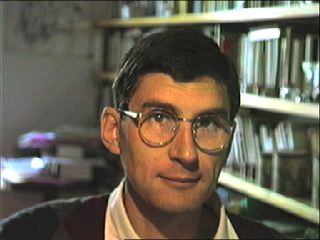
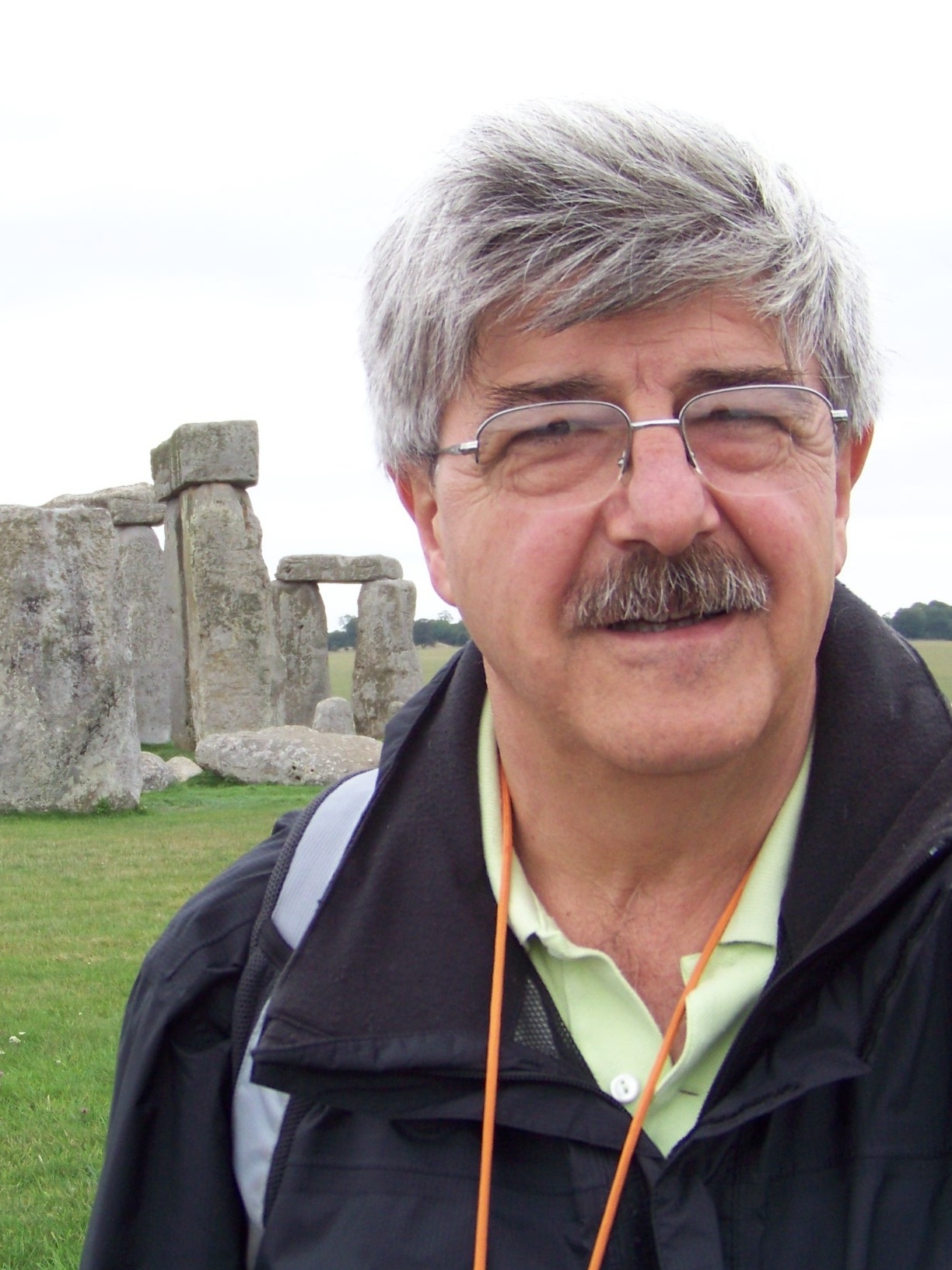
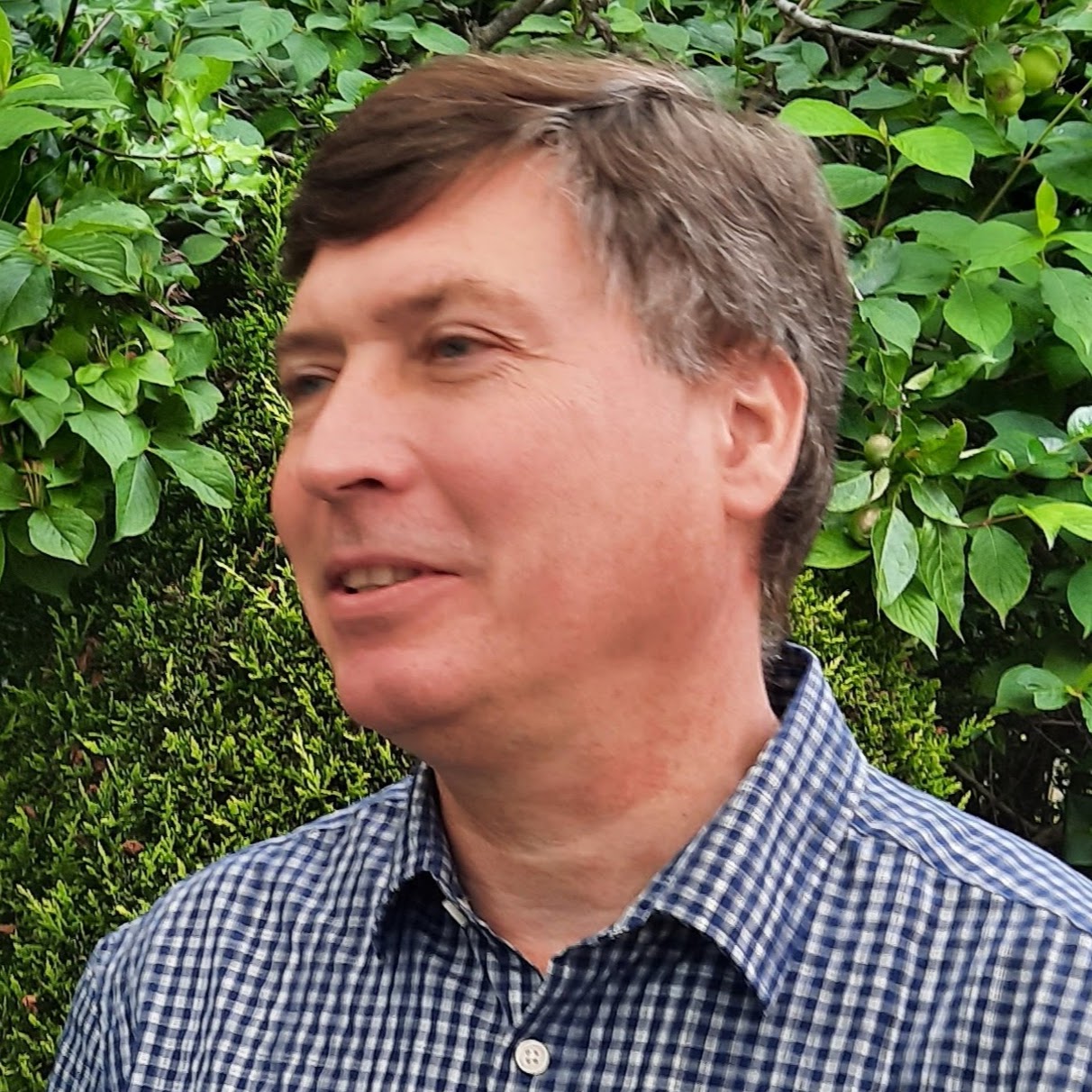
Giovanni Sambin is a Full Professor of Mathematical Logic at the University of Padua's Department of Pure and Applied Mathematics. A foundational figure since the 1970s, he pioneered provability logic in Italy and developed Formal Topology and Basic Logic through collaborations with Per Martin-Löf and international researchers.
His educational journey began with a Mathematics degree from Padua (1971), followed by seminal work at Berkeley under Alfred Tarski (1971-72). Early career stages included foundational research at Siena with Roberto Magari's group, where he co-established Italy's first original logic contributions.
Sambin's research centers on dynamic constructivism—a philosophy treating mathematics as a biological-evolutionary process. Key pillars include Formal Topology (reconstructing spaces without points via type theory) and Basic Logic (unifying logical systems through reflection principles). His minimalist foundation approach prioritizes computational compatibility while preserving mathematical depth, rejecting both classical set theory and rigid intuitionism. Recent work focuses on inductive methods in topology and the 'toolbox' framework for practical formalization.
Scientific leadership includes:
- Coordinator of Italy's national project on constructive mathematics (since 1998)
- Founder of the WFTop workshop series on Formal Topology
- President of the Italian Association of Logic and Applications (1987-1993)
As an educator, Sambin mentors students through logic courses emphasizing conceptual clarity. His national project provides sustained funding for collaborative research, while WFTop workshops foster global partnerships. He maintains active supervision despite seniority, prioritizing the 'dynamic' development of mathematical ideas through student interaction.
Though no named laboratory exists, Sambin's research group operates through the Department of Pure and Applied Mathematics. Current efforts include advancing the minimalist foundation with Milly Maietti and planning 3WFTop to expand formal topology's computational applications. His legacy integrates philosophical rigor with mathematical innovation, positioning Padua as a hub for constructive mathematics.