معرفی
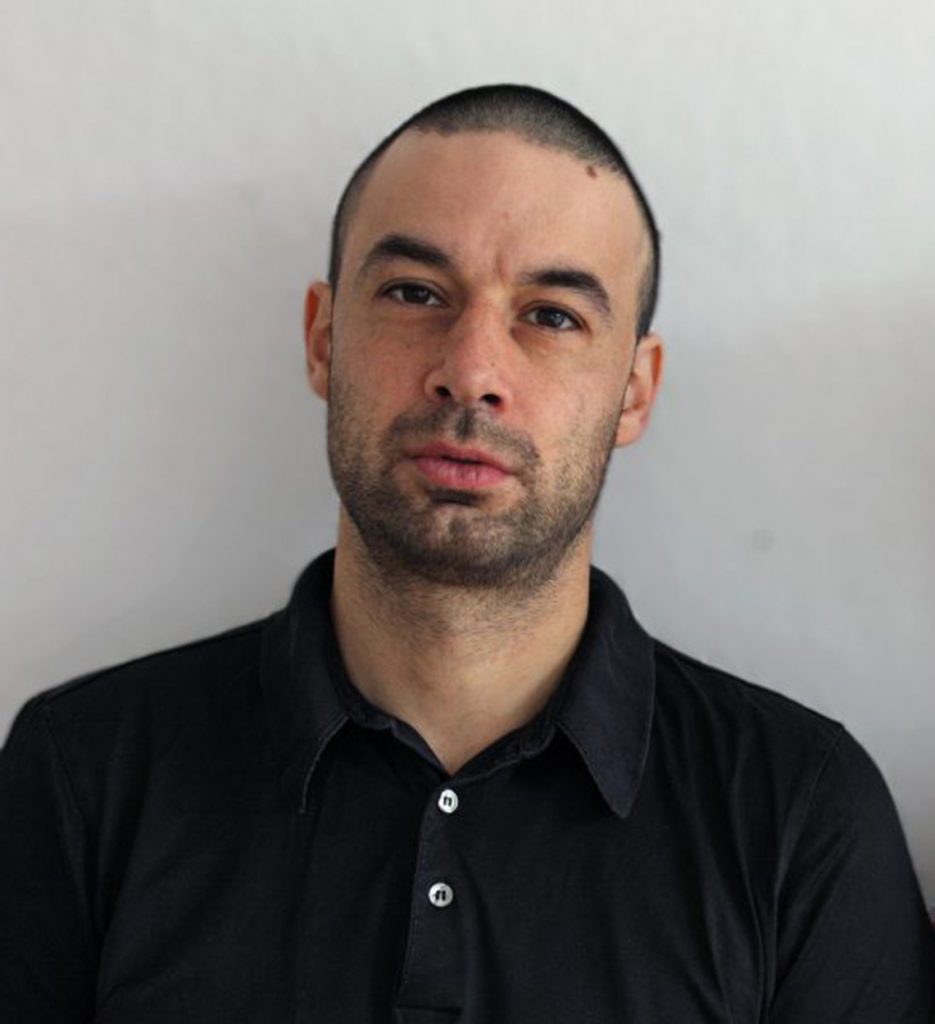
Georg Rafailidis is Associate Professor of Architectural Design at University at Buffalo (State University of New York), with a scheduled Spring 2023 Visiting Professorship at Ioannina's CRISIS Research Lab. Previously, he worked at Herzog & de Meuron and co-founded architectural practice DAVIDSON RAFAILIDIS.
His academic foundation includes:
- Physics studies prior to architecture
- Diploma from Munich University of Applied Sciences
- Postgraduate work at London's Architectural Association School of Architecture
Rafailidis' research investigates the dynamic divergence between architectural design intentions and evolving built realities. His methodology documents how buildings transform through unpredictable life cycles, producing both realized shoestring-budget projects and documentary studies (drawings, photographs, writings). This work champions 'space for all' through austerity-driven design, treating each project as a case study in affordable architecture. His approach bridges theoretical frameworks with empirical observation of built environments.
His seminal 2017 monograph 'Processes of Creating Space: An Architectural Design Workbook' exemplifies his focus on design evolution and spatial documentation. This publication establishes his contribution to architectural pedagogy by translating complex building transformations into accessible educational tools, revealing patterns in how design intentions adapt to real-world constraints and occupant behaviors.
No scientific awards are documented in source materials.
As Associate Professor, he mentors students through design studios while conducting practice-based research. His firm DAVIDSON RAFAILIDIS serves as an active research platform, offering students opportunities to engage with real-world projects exploring affordable housing solutions and building documentation methodologies under resource constraints.
DAVIDSON RAFAILIDIS operates as his primary research vehicle, functioning as a hybrid academic-practice entity. The firm's motto 'space for all' drives investigations into democratic spatial solutions, with projects intentionally realized on minimal budgets to develop scalable models for accessible architecture. Their documentary outputs constitute a significant research archive analyzing building life cycles beyond initial design phases.