معرفی
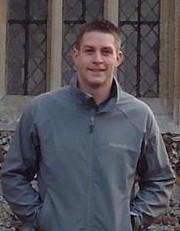
Geoffrey Attardo is an Associate Professor in the Department of Entomology and Nematology at the University of California, Davis, College of Agricultural and Environmental Sciences. He leads the Attardo Lab, where his team investigates the reproductive biology of insect vectors of human disease, focusing on mosquitoes and tsetse flies.
Education:
- Bachelor of Science in Entomology, University of Massachusetts Amherst, 1994
- Doctor of Philosophy in Genetics, Michigan State University, 2004
Research Interests:
Dr. Attardo’s research integrates molecular biology, biochemistry, genomics, transcriptomics, proteomics and metabolomics to dissect the reproductive physiology of mosquitoes and tsetse flies. Key themes include regulation of the female reproductive cycle, lipid metabolism during pregnancy, lactation in tsetse flies, symbiotic interactions with microbes, and the impact of trypanosome infection on vector reproduction. The long-term goal is to translate these insights into novel vector-control strategies that disrupt disease transmission.
Publication Trends:
Across more than two decades, Dr. Attardo’s publications reveal a progression from foundational molecular work on mosquito vitellogenesis to sophisticated multi-omics studies of tsetse fly reproduction and symbiosis. Recent articles emphasize lipid metabolic networks, detoxification responses to insecticides, and comparative genomics among tsetse species, reflecting an expanding systems-level approach to vector biology.
Scientific Recognition:
- Lead author for the International Glossina Genome Initiative reporting the first tsetse fly genome (Science, 2014)
Teaching & Mentoring:
Dr. Attardo teaches Medical Entomology (ENT 153) and actively mentors undergraduate and graduate students. He advocates hands-on learning, analytical problem-solving, and inclusive mentoring to cultivate the next generation of vector biologists.
Laboratory & Teams:
The Attardo Lab at UC Davis functions as a collaborative environment equipped for high-throughput sequencing, metabolomics, and advanced imaging. Current projects include non-invasive hyperspectral detection of trypanosome infection, comparative genomics of tsetse species, and mechanistic studies of lactation biology.