
معرفی
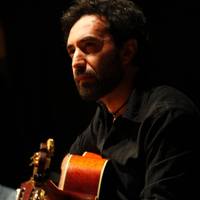
Francesco Brusco is a Contract Lecturer in the Department of Cultural Heritage Sciences (DISPAC) at the University of Salerno. He holds a PhD in Musicology from the University of Pavia and is actively engaged in interdisciplinary research at the intersection of music, art history, and cultural studies. Based in Pisa, he contributes significantly to scholarship on Italian popular music and British rock, particularly The Beatles and Fabrizio De André.
- PhD in Musicology, University of Pavia
- Graduate studies, University of Salerno
- Thesis on music in Vermeer’s paintings
His research interests span Popular Music Studies, Musicology, Art History, and Cultural Heritage. He explores authorship, studio production, and the socio-cultural dimensions of music, with a focus on 20th-century Italian and British music scenes. His work often bridges disciplines, analyzing how music interacts with visual art and broader historical narratives.
Brusco’s publications reflect a deep engagement with the aesthetics and cultural impact of major musical works. His recent articles and books analyze Sgt. Pepper, the White Album, and the collaborative nature of De André’s music. He emphasizes the role of the recording studio as a creative instrument and examines how collective production challenges traditional notions of authorship.
His notable works include the books La voce del padrone (2022), Guccini. Frammenti di un discorso musicale (2020), and Estetica di Sgt. Pepper (2017). His journal articles appear in Analitica, Musica/Realtà, and Riscontri, covering topics from avant-garde experiments to transnational musical influences.
While no formal scientific awards are listed, his scholarly output and academic appointments reflect recognition in his field. He mentors students through his teaching and research, contributing to the next generation of music and cultural scholars.
Brusco has not established a named laboratory or research team, but his work is deeply collaborative, drawing on interviews with musicians, producers, and technicians. His research methodology combines archival work, oral history, and critical analysis, particularly in reconstructing the history of Italian recording studios and the creative ecosystems around major artists.

