معرفی
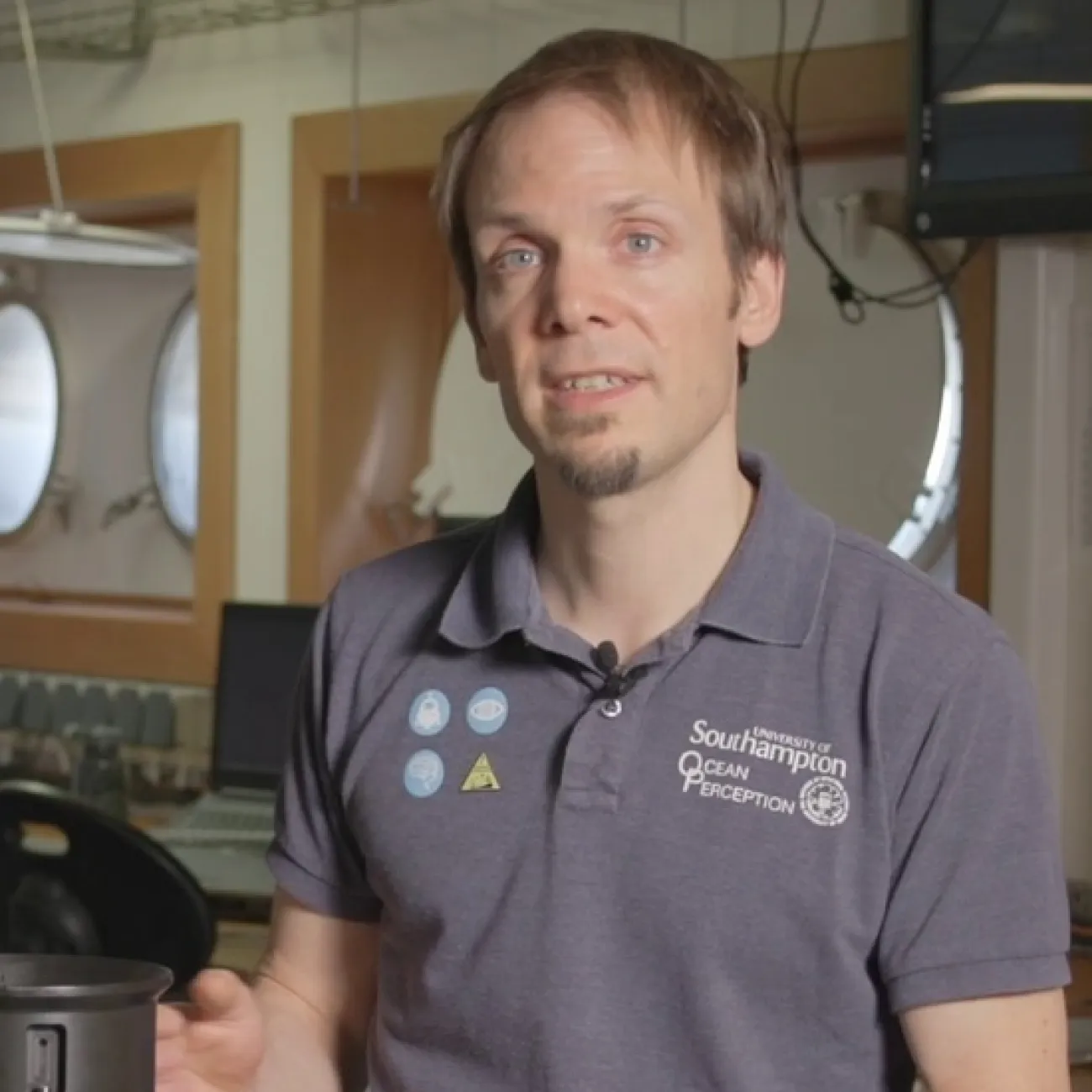
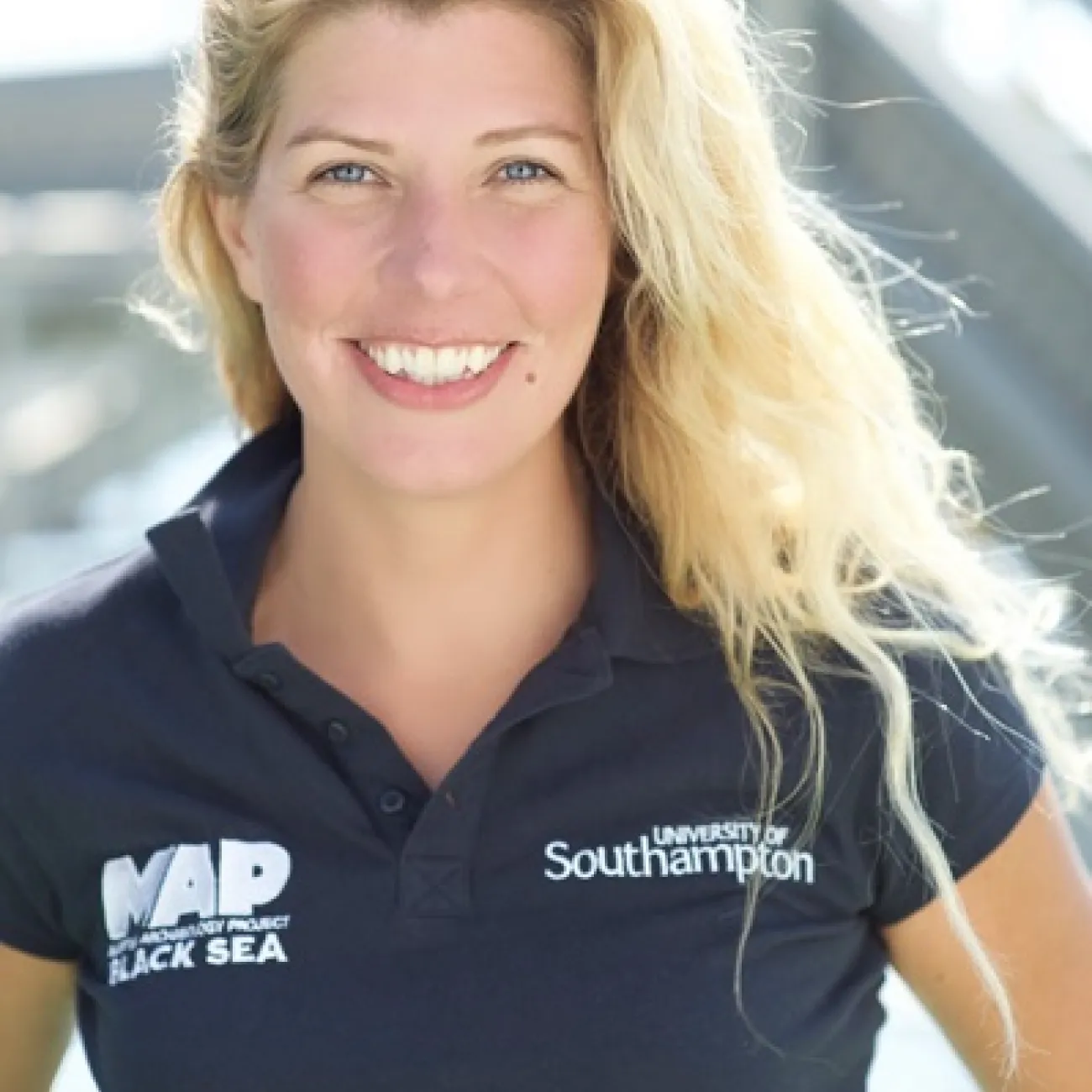
Felix Pedrotti is a Senior Research Fellow at the University of Southampton, affiliated with the Centre for Maritime Archaeology and the Southampton Marine and Maritime Institute (SMMI). His interdisciplinary work bridges maritime archaeology, digital heritage preservation, and ocean literacy initiatives through technological innovation.
Dr. Pedrotti holds BA and MA degrees that provided foundational expertise in translating classical documents, which informs his archaeological interpretations. His academic journey uniquely combines humanities training with technical specialization in geospatial analysis.
His research program focuses on:
- Advanced underwater photogrammetry and robotic survey techniques
- Integration of terrestrial LiDAR with underwater bathymetric datasets
- Virtual reality applications for archaeological visualization and public engagement
- Riverine geomorphology reconstruction and ancient waterway communities
- Developing ocean literacy through immersive archaeological experiences
Recent publications (2018-2019) reveal consistent methodological innovation in Black Sea archaeology, featuring robotic documentation of deep-sea sites, 4D modeling of submerged excavations, and interdisciplinary studies of Bulgarian river deltas. These works demonstrate his signature approach of merging photogrammetry with geophysical data to reconstruct ancient human-environment interactions.
Dr. Pedrotti has secured research funding through mechanisms like HEIF (Higher Education Innovation Fund), completing projects including 'Tales of Discovery' and 'HEIF 2024/25 Lines of Discovery'. His teaching portfolio spans scientific diving instruction at multiple international institutions and technical workshops on photogrammetry, reflecting active knowledge transfer to next-generation researchers.
Within SMMI's collaborative ecosystem, he contributes to interdisciplinary teams that integrate archaeological expertise with marine science and digital technology. His development of VR experiences (e.g., youtu.be/fMlR71Sv3Ec) exemplifies his commitment to translating complex archaeological data into accessible public narratives that advance ocean literacy.