معرفی
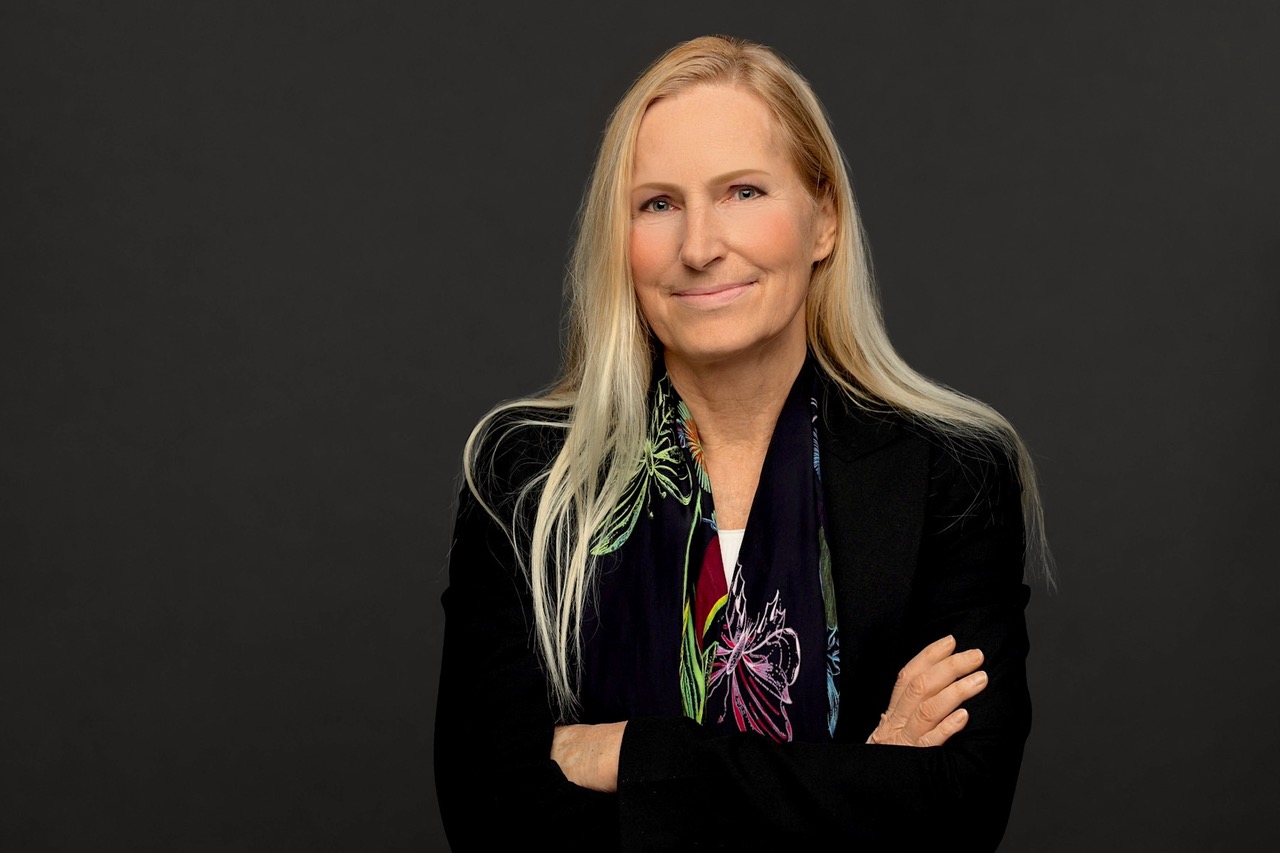
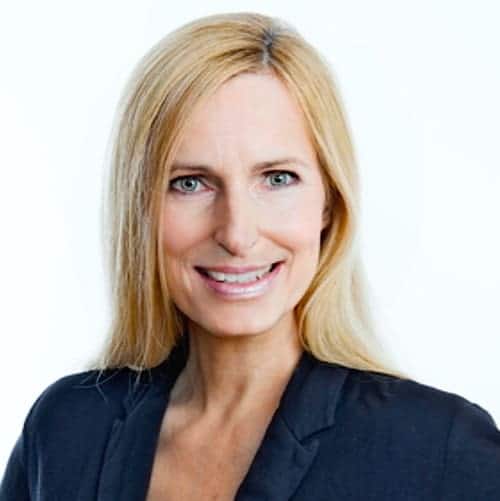
Eva Schernhammer is Professor and Chair of the Department of Epidemiology at the Medical University of Vienna, with adjunct appointments at the Harvard T.H. Chan School of Public Health and UCLA. She is also Associate Faculty at the Complexity Science Hub Vienna and has been affiliated with Harvard Medical School since 2003. Her work bridges epidemiology, chronobiology, and public health policy.
Research Interests: Eva is a pioneer in circadian epidemiology, focusing on how disruptions in the circadian clock affect human health. Her research integrates biomarkers, transgenerational effects, gender, and age-specific factors, using longitudinal population studies and advanced statistical modeling. She also investigates public health responses during crises, particularly around vaccine acceptance, trust, and pandemic resilience.
The recent articles highlight a strong trend in both circadian rhythm research and public health during the COVID-19 pandemic. Her work spans from molecular epidemiology of shift work and cancer to societal-level analyses of trust, misinformation, and policy. This reflects a dual focus: biological mechanisms of disease and the social dynamics of health behavior.
- Several international awards (specific names not mentioned)
Advising and Grants: While specific students are not listed, she leads a research group at Harvard and has extensive collaborative projects. Her work is supported by international recognition and likely major grants, given her high-impact publications in The Lancet, European Journal of Epidemiology, and interdisciplinary journals. She is a founding member of ASciNA and has served as President and Board Member, indicating leadership in academic networks and funding advocacy.
Labs and Teams: She leads a research group at Harvard studying circadian epidemiology and is affiliated with the Complexity Science Hub Vienna, where she contributes to interdisciplinary projects on crisis response, systems thinking, and science policy. Her collaborations span epidemiologists, statisticians, social scientists, and philosophers of science.