.jpg)
معرفی
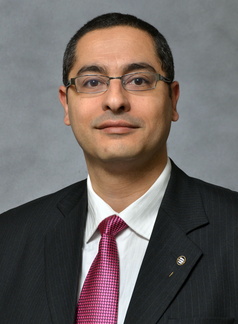
Eugene Konorev is an Associate Professor of Pharmacology at Kansas City University. His research investigates cardiovascular complications from anticancer therapies, particularly focusing on doxorubicin-induced cardiotoxicity, angiogenesis inhibition, and the role of TGF-beta/Smad3 signaling pathways. Using animal models and cell cultures, his team explores molecular mechanisms to mitigate cardiac damage while enhancing chemotherapy efficacy.
Research interests span cardiovascular biology, oncology, and molecular pharmacology, with emphasis on:
- TGF-beta signaling in cardiac endothelial cells
- Doxorubicin-induced heart failure and remodeling
- Antiangiogenic effects of chemotherapeutics
- Cardioprotective strategies targeting oxidative stress
Recent publications (2014-2025) predominantly examine molecular pathways—especially TGF-beta/Smad3—mediating chemotherapy toxicity in cardiovascular tissues. Key trends include genetic interventions in animal models, endothelial cell responses, and therapeutic agents like Mito-Q. These studies consistently bridge oncology and cardiology to address clinical challenges in cancer treatment.