معرفی
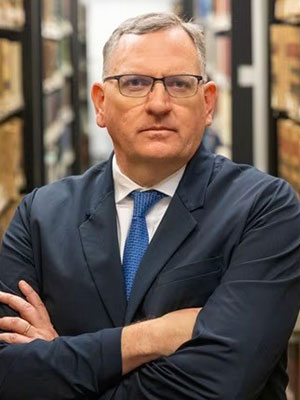
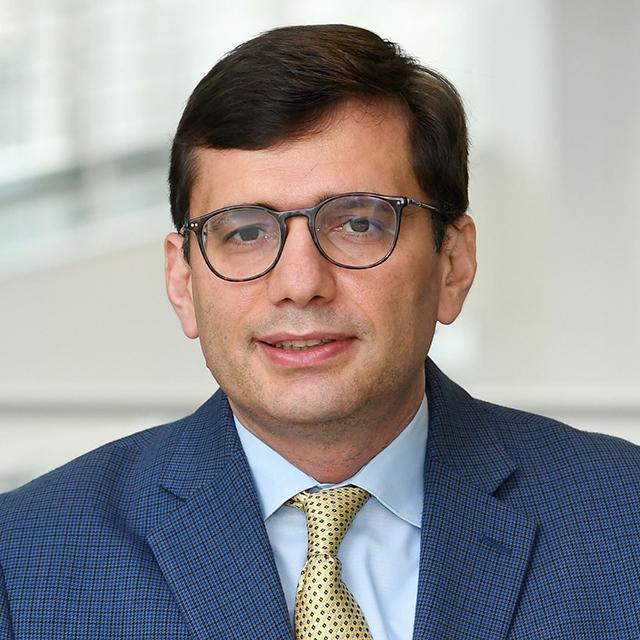
Eugene D. Mazo is a Professor at Duquesne University holding a joint appointment in the Thomas R. Kline School of Law and the Political Science Department within the McAnulty College and Graduate School of Liberal Arts, joining the faculty in 2023. A nationally recognized scholar of election law, his work examines democratic theory and practice across U.S. and global contexts through influential publications and media commentary.
His educational foundation includes:
- J.D. from Stanford University
- Ph.D. in Politics from Oxford University
- M.A. from Harvard University
- B.A. from Columbia University
Professor Mazo's research centers on election law, campaign finance, presidential nomination systems, and constitutional democracy. His books—including The Best Candidate: Presidential Nomination in Polarized Times (Cambridge, 2020) and Democracy by the People: Reforming Campaign Finance in America (Cambridge, 2018)—explore institutional design challenges in polarized eras. His scholarship bridges legal doctrine and political theory to propose practical reforms for electoral integrity and democratic resilience.
His 11 recent articles (2023–2005) reveal consistent focus on voting rights, campaign finance regulation, and constitutional interpretation, with heightened attention to pandemic-era election administration and voter ID controversies after 2019. The body of work demonstrates interdisciplinary engagement across law, political science, and public policy, often analyzing historical precedents to address contemporary democratic crises.
He has received the following scientific award:
- Paul & Daisy Soros Fellowship for New Americans
Professor Mazo has secured research grants from the Social Science Research Council and Woodrow Wilson International Center for Scholars. As chair of the AALS Election Law Section, he established the John Hart Ely Prize and Distinguished Scholarship Award in Election Law, while also serving on the Constitutional Law Section executive committee and chairing the New Law Professors Section. His media commentary in The New York Times, Washington Post, and Financial Times demonstrates public engagement with democratic theory.