معرفی
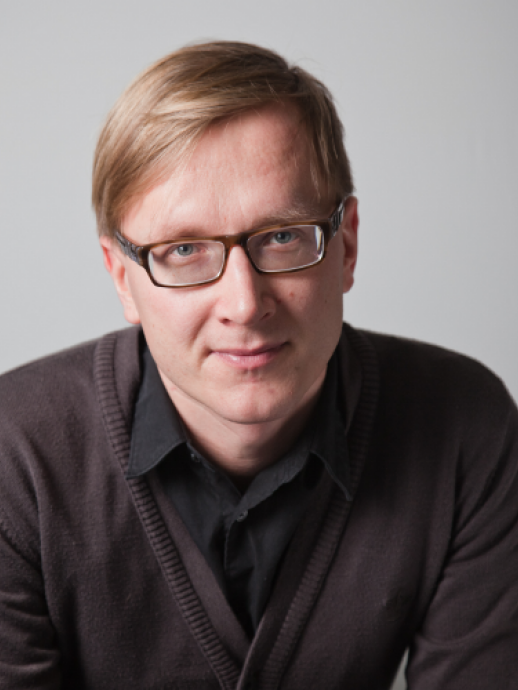
Esa Karonen is a Senior Researcher at the University of Turku, affiliated with the INVEST Research Flagship Centre. He is actively contributing to the Horizon2020 project MapIneq, which examines intergenerational, educational, labor market, and health inequalities over the life course. Previously, he participated in the TITA and Beyond4.0 projects and has served as a university teacher at the University of Turku and the University of Tampere.
Research Interests: His work focuses on economic inequality from a life course perspective, emphasizing intergenerational disparities in income, wealth, and consumption. He employs quantitative methodologies such as Age-Period-Cohort modeling and microsimulations (SISU, EUROMOD, ABM). His research integrates life course theory to understand how economic inequalities evolve across generations and throughout individual lifetimes.
Publication Trends: His recent publications (2020–2025) reveal a consistent focus on structural inequality, educational access, family economic capital, and regional economic shocks. Themes include parental influence on higher education, regional inheritance of high income, welfare state inclusivity, and the socioeconomic consequences of industrial collapse (e.g., Nokia in Oulu). The works span peer-reviewed journals and research reports, often co-authored with leading scholars in social and economic research.
Scientific Awards:
- No awards mentioned in the provided text.
Advising and Grants: While no formal students are listed, Esa Karonen has contributed to major research projects funded by the EU (Horizon2020), indicating involvement in collaborative, grant-supported research. His roles in MapIneq, TITA, and Beyond4.0 reflect active participation in large-scale, interdisciplinary initiatives. He has also held teaching positions, suggesting experience in academic mentorship.
Labs and Teams: He is a core member of the INVEST Research Flagship Centre at the University of Turku, a multidisciplinary research environment focused on life course studies and social inequalities. His work is embedded in national and international research networks, particularly those addressing economic and social policy challenges in Nordic and European contexts.
حوزههای پژوهشی