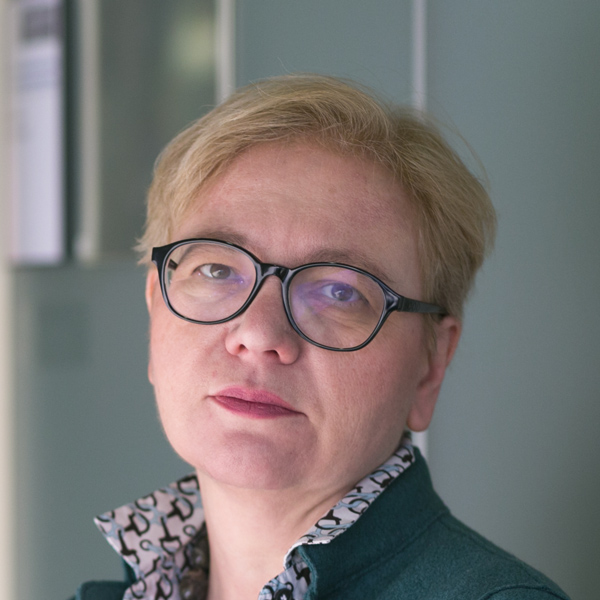
معرفی
Erika Mallarini serves as Associate Professor of Practice in Government, Health, and Not-for-Profit at SDA Bocconi School of Management, Università Bocconi. She directs the Pharmacy Management course and leads key research initiatives including the Health & Wellness area at the Channel & Retail Lab and the Observatory on Private Health Consumption (OCPS).
Education
- Bachelor in Business Administration, Università Bocconi
Research Focus
Professor Mallarini's work centers on healthcare system transformation, with critical contributions to pharmaceutical management, digital health adoption, and healthcare retail innovation. Her research tackles urgent challenges including pandemic response strategies, trust dynamics in health services, market access for innovative drugs, and sustainability frameworks for health systems. She actively bridges academic theory with practical implementation through collaborations with healthcare providers, pharmaceutical companies, and government agencies.
Publication Trends
Her 2020-2022 publications reveal a pronounced focus on pandemic-driven healthcare evolution, with recurring themes of digital health integration, pharmacy retail transformation, and private consumption patterns. These works consistently examine systemic interconnections between physical and digital health services while emphasizing consumer behavior and operational resilience in crisis conditions.
Professional Leadership
As course director for Pharmacy Management and coordinator for EMMAS/MiMS program modules, she shapes healthcare leadership education. Her government advisory roles span the Ministry of Health, Higher Health Council, and Prime Minister's Office, while past leadership positions include President of Corsican Municipal Pharmacies and oversight roles at Humanitas San Pio X healthcare institution.
Research Infrastructure
She drives innovation through the Channel & Retail Lab's Health & Wellness research area and OCPS observatory, which analyze healthcare retail dynamics, drug distribution networks, and private health consumption patterns across European markets using mixed-methods approaches.