معرفی
Eric Linton is a Professor in the Department of Biology at Central Michigan University, part of the College of Science and Engineering. His research spans bioinformatics, molecular systematics, phylogenetics, and the study of eukaryotic microbes, particularly euglenophytes and toxic cyanobacteria.
Education:
- B.S., University of Akron, 1988
- M.S., University of Akron, 1993
- Ph.D., Rutgers, the State University of New Jersey, 2000
- Postdoc., Waksman Institute of Microbiology, 2000–2002
- Postdoc., Michigan State University, 2002–2006
His research focuses on evolutionary relationships in algae and eukaryotic microbes using phylogenetic and comparative genomic techniques. He investigates chloroplast genome evolution in euglenoids—a system shaped by secondary endosymbiosis—and collaborates on identifying novel toxic cyanobacteria through molecular and microscopic methods. A key contribution is the development of MacGDE (Macintosh Genetic Data Environment), a software tool for DNA, RNA, and protein data management, alignment, and phylogenetic analysis, which he maintains and freely distributes. He also engages in bioinformatics collaborations across diverse domains, including viral grass pathogens, bivalve evolution, and wavelet-based DNA signal processing.
He teaches Introductory Biology, Biotechnology, Bioinformatics, and advanced microscopy courses (confocal, light, scanning, and transmission electron microscopy). While no specific publications or awards are listed in the provided text, his work demonstrates a strong interdisciplinary approach combining genomics, evolution, and software innovation.
Scientific Service and Contributions:
- Developer and maintainer of MacGDE software
- Technical and theoretical support for MacGDE users
- Free distribution of MacGDE to the research community (http://macgde.bio.cmich.edu/)
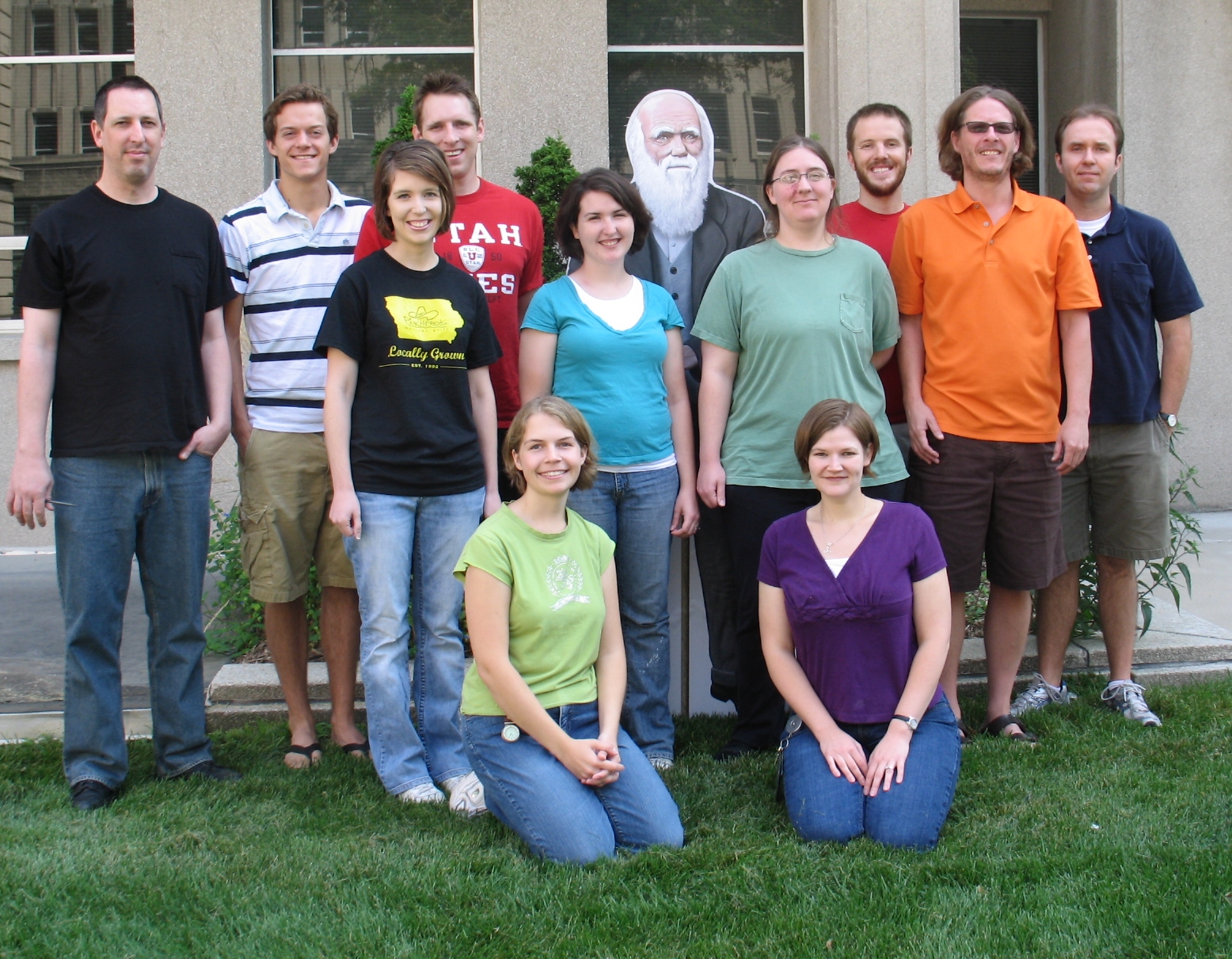
Dr. Linton advises students and participates in research grants, though specific names and funding sources are not detailed. His lab supports integrative research in molecular evolution and bioinformatics, with collaborative projects extending beyond algal biology into broader genomic applications.