معرفی
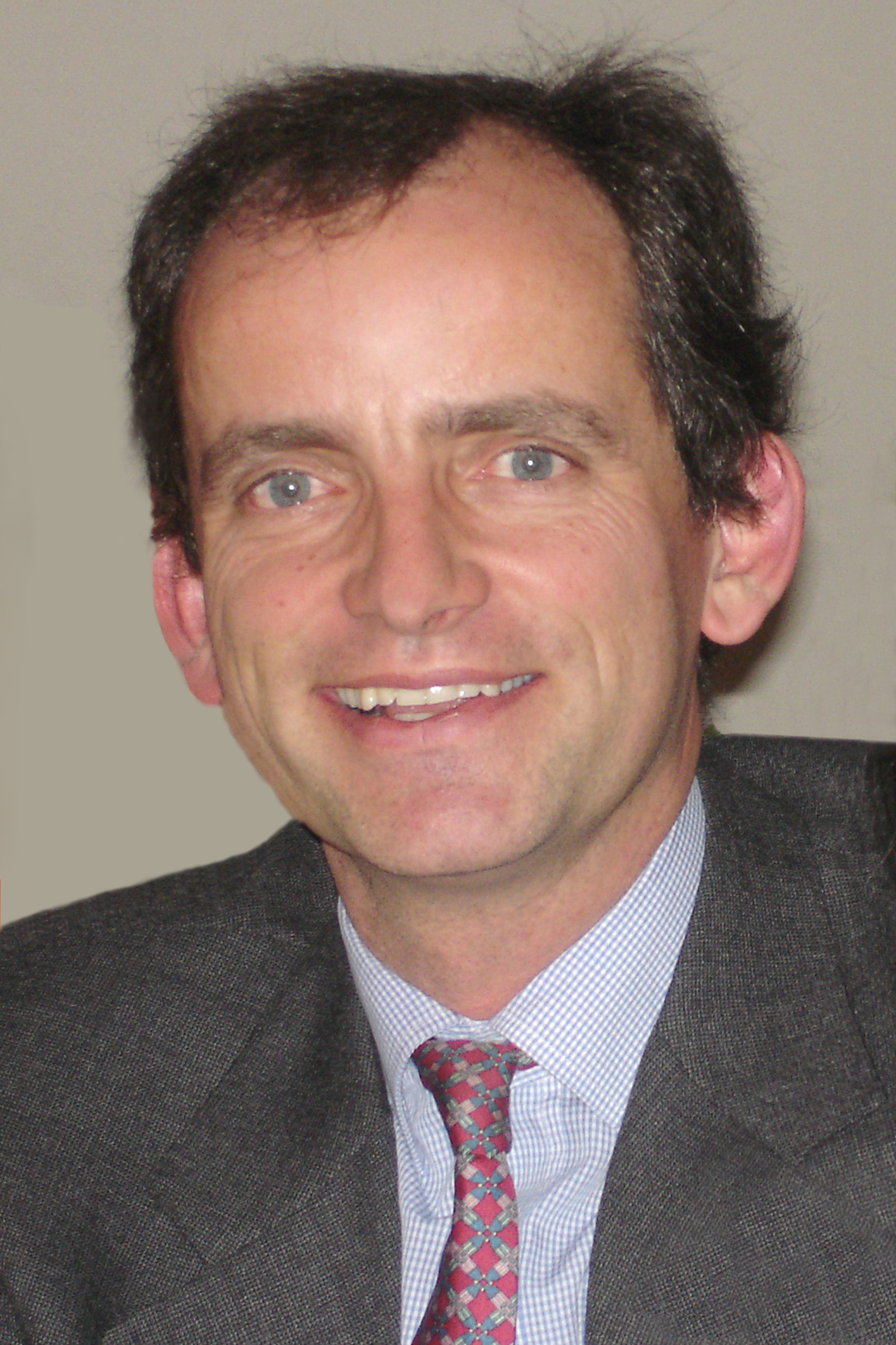
Eric F. Lambin is a Full Professor at both Stanford University (Inaugural George and Setsuko Ishiyama Provostial Professor in the Department of Environmental Earth System Science, School of Earth Sciences) and Université catholique de Louvain (Belgium). His research focuses on human-environment interactions, land-use change, sustainability science, and remote sensing. He has held leadership roles, including Chair of the Scientific Steering Committee for the LUCC project (1999-2005) and Co-Chair of the Department of Environmental Earth System Science at Stanford (2013-present).
Education:
- PhD in Sciences (Geography), University of Louvain, Belgium (1988)
- Master in Sciences (Geography), University of Louvain, Belgium (1985)
- Baccalaureate in Philosophy, University of Louvain, Belgium (1985)
Research Interests:
Dr. Lambin explores land-use dynamics, environmental governance, and the impacts of land change on ecosystems and human health. His work integrates remote sensing, socio-economic data, and multi-agent simulation models to address global challenges such as deforestation, desertification, and vector-borne diseases. Key themes include forest transitions, sustainability transitions, and the socio-ecological feedbacks driving land-use changes.
Awards & Recognition:
- Member of the Academia Europaea (2010)
- Foreign Associate, U.S. National Academy of Sciences (2009)
- Francqui Prize in Sciences (2009)
- Zayed International Prize for the Environment (2005)
- Member of the Royal Academy of Belgium (2006)
Advising & Grants:
Dr. Lambin has advised over 20 PhD students on topics ranging from soybean supply chains to malaria epidemiology. His grants and collaborations involve international organizations like IIASA, the Beijer Institute, and the National Socio-Environmental Synthesis Center (SESYNC).
Labs & Teams:
As a Senior Fellow at the Woods Institute for the Environment, he leads interdisciplinary projects on sustainability science. His work bridges academia and policy, contributing to global initiatives like the Kyoto Protocol and the UN’s Sustainable Development Goals.