معرفی
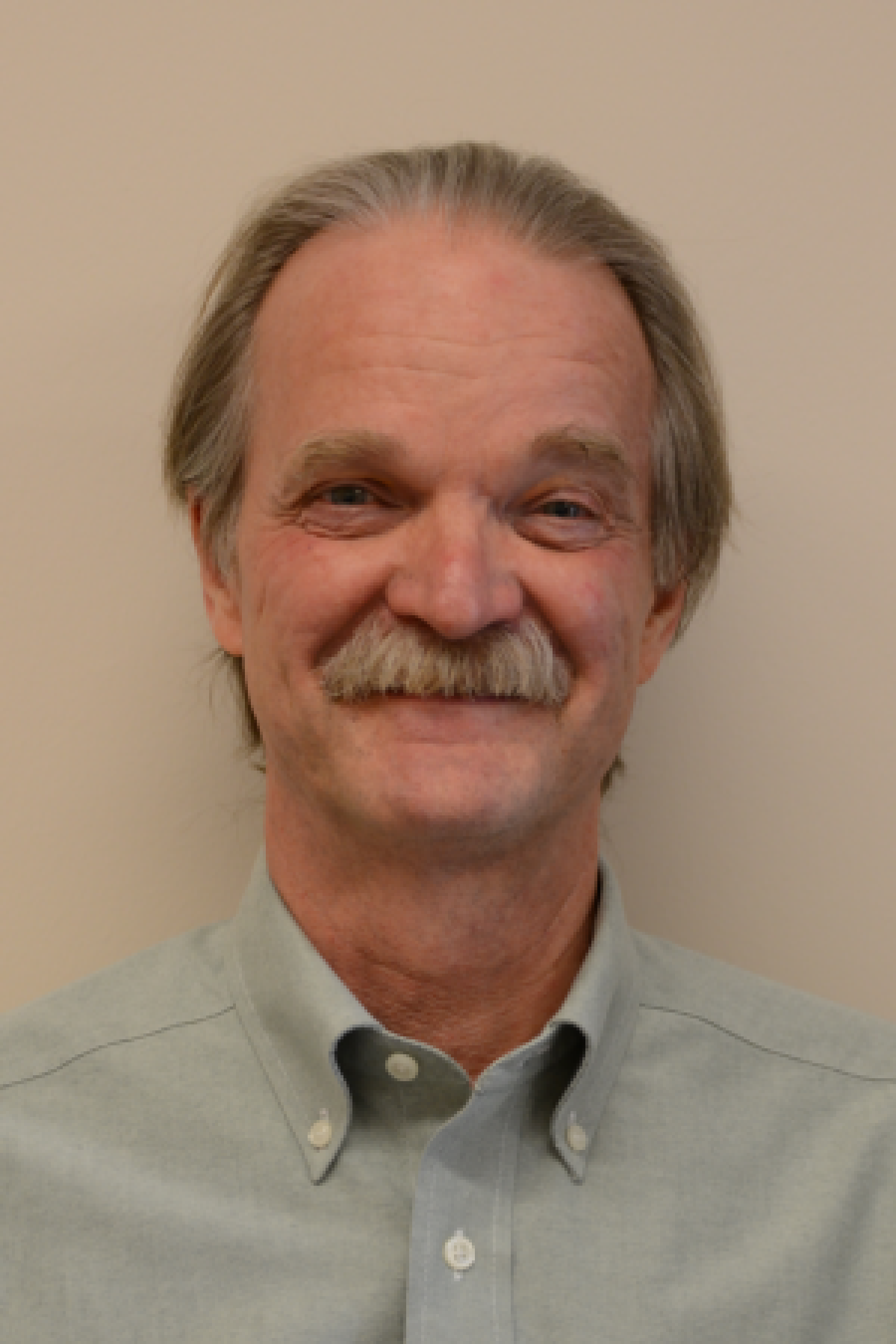
Eric Barth is Professor of Mechanical Engineering and Professor of Neurological Surgery at Vanderbilt University's School of Engineering. He serves as Director of the C* Control laboratory (also known as the Laboratory for the Design and Control of Energetic Systems) and is affiliated with the Vanderbilt Institute for Surgery and Engineering (VISE), an interdisciplinary entity bringing engineers and physicians together to impact healthcare.
His educational background includes:
- Ph.D. in Mechanical Engineering from Georgia Institute of Technology
- M.S. in Mechanical Engineering from Georgia Institute of Technology
- B.S. in Engineering Physics from University of California - Berkeley
Professor Barth's research focuses on dynamic systems and control with applications spanning multiple domains. His primary interests include the design, modeling and control of mechatronic and fluid power systems, free-piston internal combustion and free-piston Stirling engines, energy storage and harvesting systems, and MRI compatible pneumatic robots for medical applications. His work applies a system dynamics and control perspective to problems involving the control and transduction of energy, encompassing multi-physics modeling, control methodologies formulation, and model-based design.
His recent publications reveal a strong trajectory connecting mechanical engineering principles with medical applications, particularly in neurosurgery. The research spans energy systems (especially Stirling engines and novel energy storage approaches) and advanced medical robotics for MRI-guided interventions. This dual focus demonstrates his ability to bridge theoretical control systems with practical applications in both energy and healthcare domains.
Professor Barth actively advises several doctoral students including David Comber, Joshua J Cummins, Alexander V. Pedchenko, and E. Bryn Pitt. His research is supported by significant funding, notably from the Center for Compact and Efficient Fluid Power, an NSF Engineering Research Center.
The C* Control laboratory he directs occupies approximately 1000 square feet and contains specialized equipment including an 8-camera high-bandwidth optical tracking system, mechanical breadboard tables, pneumatic equipment with high-bandwidth servo-valves, specialized pressure sensors, a thermographic camera, high-speed video equipment, 3D printers, and a 2D laser cutter. Computational facilities include a network of approximately 20 machines running MATLAB/Simulink and SolidWorks, with access to additional CNC machining resources through the School of Engineering and the University.