معرفی
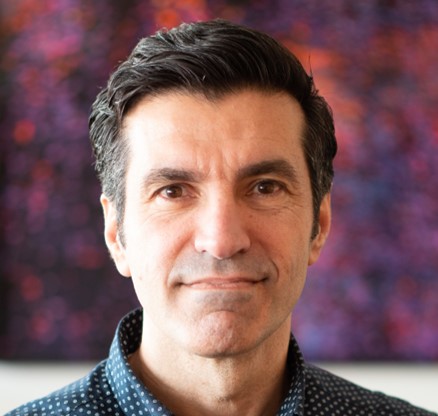
Emanuel Larsson serves as a Researcher at Lund University's Department of Experimental Medical Science within the Faculty of Medicine. He holds dual institutional roles as Assistant Director at LINXS (Institute of Advanced Neutron and X-ray Science) and as a staff member at MAX IV Laboratory. His operational framework spans national infrastructure coordination including CIPA (Correlative Image Processing and Analysis), InfraVis (National Research Infrastructure for Data Visualization), and HALRIC (Hanseatic Life Science Research Infrastructure Consortium).
His research centers on advanced tomographic imaging techniques, specializing in X-ray and neutron tomography for multiscale materials characterization. Key application areas include food science (starch foams), nanomaterials (photonic crystals, nanoporous gold), and biomedical engineering. His work integrates synchrotron radiation methods with machine learning approaches for 3D microstructure analysis, contributing to UN Sustainable Development Goals through materials innovation.
Analysis of his 32 publications reveals dominant themes in materials microstructure visualization across food systems, nanocomposites, and reference standards development. His imaging methodologies bridge physics, engineering, and life sciences with emphasis on correlative techniques that combine multiple imaging modalities for comprehensive material analysis.
Larsson actively leads infrastructure development through current projects including CIPA (2020-2027), Marine Centre Simrishamn, and MICROMORPH (2026-2028). His organizational roles include coordinating the 2024 SynchroMage hackathon focused on environmental/climate applications of tomography. He manages critical research infrastructure including Correlative Image Processing and Analysis and InfraVis national visualization systems.
His laboratory ecosystem operates at the intersection of MAX IV Laboratory's synchrotron facilities, LINXS neutron science infrastructure, and Lund University's medical research environment. Current initiatives involve µCT machine learning integration for morphological diversity analysis and correlative X-ray tomography for membrane studies in food processing applications.