Elizabeth Rodriguez Fielder
دانشیار · Transnational American Literature
University of Iowaمعرفی
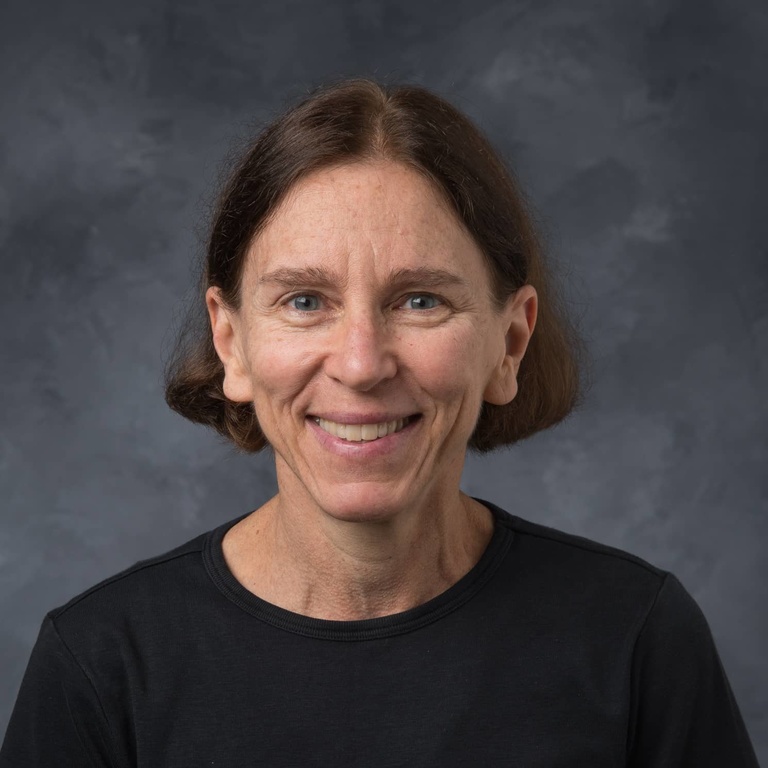
Elizabeth Rodriguez Fielder is an Associate Professor in the Department of English at the University of Iowa, within the College of Liberal Arts and Sciences. Her work bridges literary scholarship, cultural studies, and social activism, focusing on transnational American literature and marginalized voices in the U.S. South.
Education:
- PhD in English, University of Mississippi (2016)
- MA in American Studies, Columbia University (2009)
- BA in English/Creative Writing, SUNY Binghamton
Her research explores multiethnic literature and culture, particularly African American and Latinx studies, performance studies, women of color feminism, and southern studies. She investigates how creativity and aesthetics shape social movements, especially during the Civil Rights era. Her interdisciplinary approach integrates literary analysis with cultural theory and activist practice.
Her recent publications span journals and edited collections such as PMLA, The Global South, and The Cambridge History of the Literature of the U.S. South. The articles reflect a consistent engagement with themes of radicalism, haunting, transnationalism, feminist aesthetics, and cultural resistance. Her work often centers on underrepresented narratives and reinterprets historical movements through performance and everyday practices.
Scientific Awards:
- BUILD Certification, Office of Diversity, Equity and Inclusion, University of Iowa
She advises students in English and American studies, with a focus on social justice, literary activism, and interdisciplinary scholarship. Though specific grants are not listed, her research is supported through institutional affiliations and scholarly networks. She contributes to academic discourse through publications, presentations, and curriculum development.
Her current book project, "Cultural Activism and the Civil Rights Movement", exemplifies her commitment to understanding how artistic expression fuels political change. She situates creative labor—such as performance, quilting, and farming—as integral to movement building. This perspective challenges traditional boundaries between art and politics, emphasizing collaborative and embodied forms of resistance.