معرفی
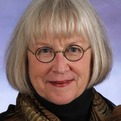
Elizabeth Baer is a Research Professor in English at Gustavus Adolphus College, specializing in Genocide Studies, Gender Studies, and Postcolonial Literature. She holds a PhD from Indiana University and has taught courses on the Holocaust, postcolonial literature, and women's experiences in wartime. Her research connects German colonial atrocities in Africa (1904-1907) with Nazi Holocaust mechanisms, as evidenced in her acclaimed book The Genocidal Gaze (2017). She has held visiting positions including the Ida E. King Distinguished Scholar at Stockton University (2016-2017) and contributed to public education initiatives at the United States Holocaust Memorial Museum.
- Education:
- BA in English, Manhattanville College (summa cum laude)
- MA in English, New York University
- PhD in English, Indiana University
Her scholarly work explores intersections between colonial violence and genocidal systems, with particular focus on German Southwest Africa's legacy, gendered dimensions of genocide, and literary representations of trauma. She has reviewed Holocaust-related manuscripts for publication and lectured extensively at academic conferences and public institutions, including the African Studies Association and the Goethe Institute. Baer also organized community workshops on Native American genocide and created an annotated bibliography on the Herero/Nama genocide for the USHMM library.
Scientific Contributions: Her publications span Nazi-era diaries, post-Holocaust fiction, and comparative genocide studies. Recent projects examine sexual violence during German colonial genocide and its parallels with Holocaust-era atrocities. She has presented at international conferences in Montreal, Berlin, and Windhoek, where she engaged directly with descendants of survivors.
Awards:
- Gustavus Adolphus College Faculty Scholarship Achievement Award (2012)
Beyond academia, she maintains a rigorous reading habit (100+ books annually) and engages in community education through the Solas Nua Irish Book Club. Her outreach work bridges academic scholarship with public memory through museum collaborations and teacher workshops.