معرفی
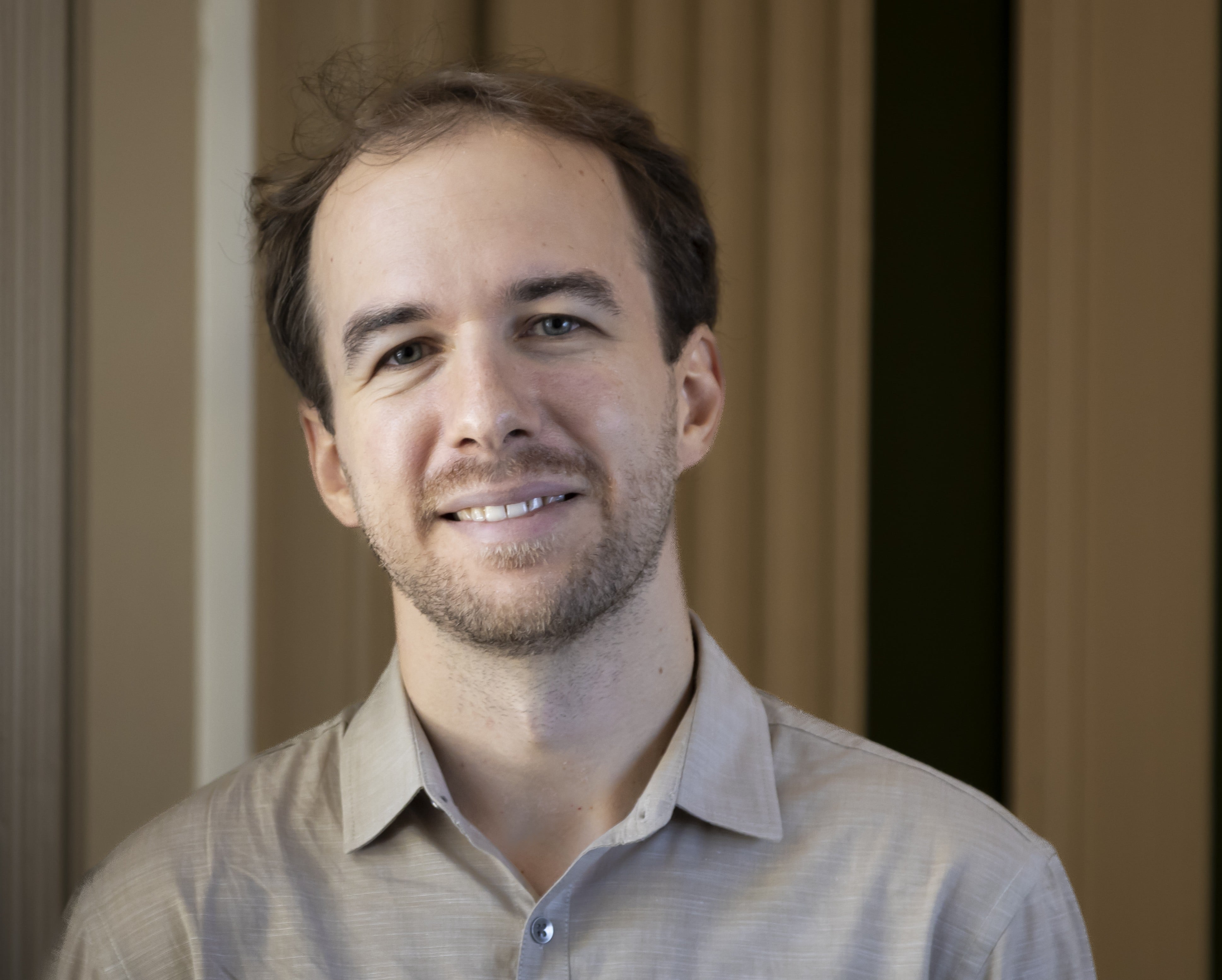
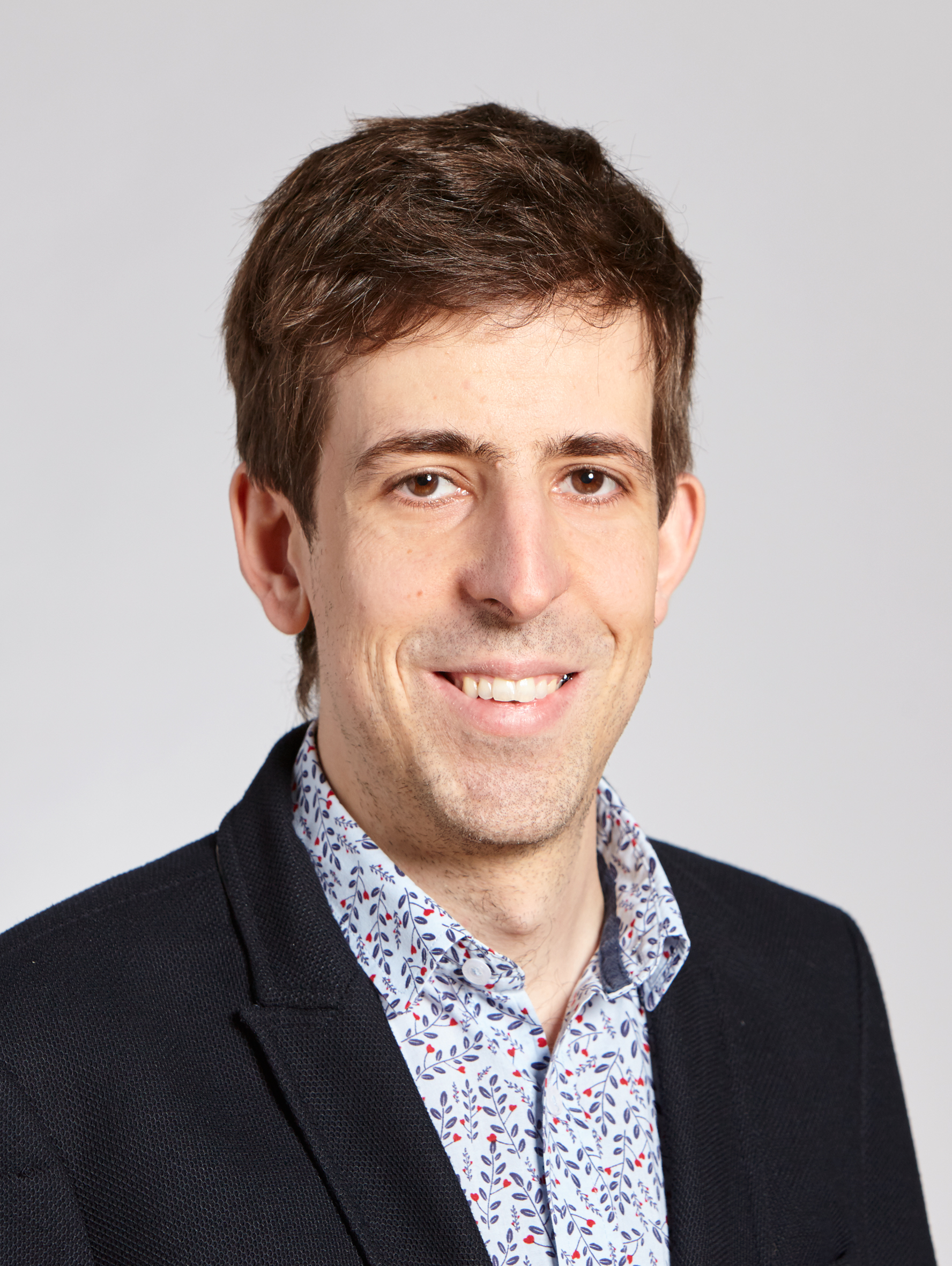
Dmitriy (Tim) Kunisky is an Assistant Professor in the Department of Applied Mathematics and Statistics at Johns Hopkins University's Whiting School of Engineering. He is also affiliated with the Data Science and AI Institute, the Department of Mathematics, and the Algorithms and Complexity Group at Johns Hopkins.
Dr. Kunisky received his bachelor's degree in mathematics from Princeton University, worked as a software engineer for Google, earned his PhD in mathematics from the Courant Institute at NYU under the supervision of Afonso Bandeira and Gérard Ben Arous, and was a postdoctoral associate in computer science at Yale University before joining Johns Hopkins.
His research broadly concerns how probability theory and mathematical statistics interact with computational complexity and the theory of algorithms. He investigates the mathematical phenomena that govern the power and limitations of algorithms processing massive and high-dimensional inputs, drawing on asymptotic statistics, convex geometry, random matrix theory, statistical physics, and representation theory. His work includes studying convex relaxation algorithms on combinatorial optimization problems, computational intractability in high-dimensional statistics, pseudorandomness, and experimental approaches to number theory and combinatorics.
His recent publications demonstrate a consistent focus on the intersection of computational complexity, statistical inference, and random matrix theory. There's a clear trajectory from theoretical foundations to practical algorithmic applications, with particular emphasis on information-computation gaps, spectral methods, and the sum-of-squares hierarchy. His work often bridges theoretical computer science with statistical physics approaches.
Dr. Kunisky actively advises graduate students at Johns Hopkins, including PhD candidates in Applied Mathematics and Statistics. He has taught courses on Random Matrix Theory in Data Science and Statistics, Probability Theory, Sum-of-Squares Optimization, and Modern Probability for Theoretical Computer Science, demonstrating his commitment to both research and education in mathematical data science.